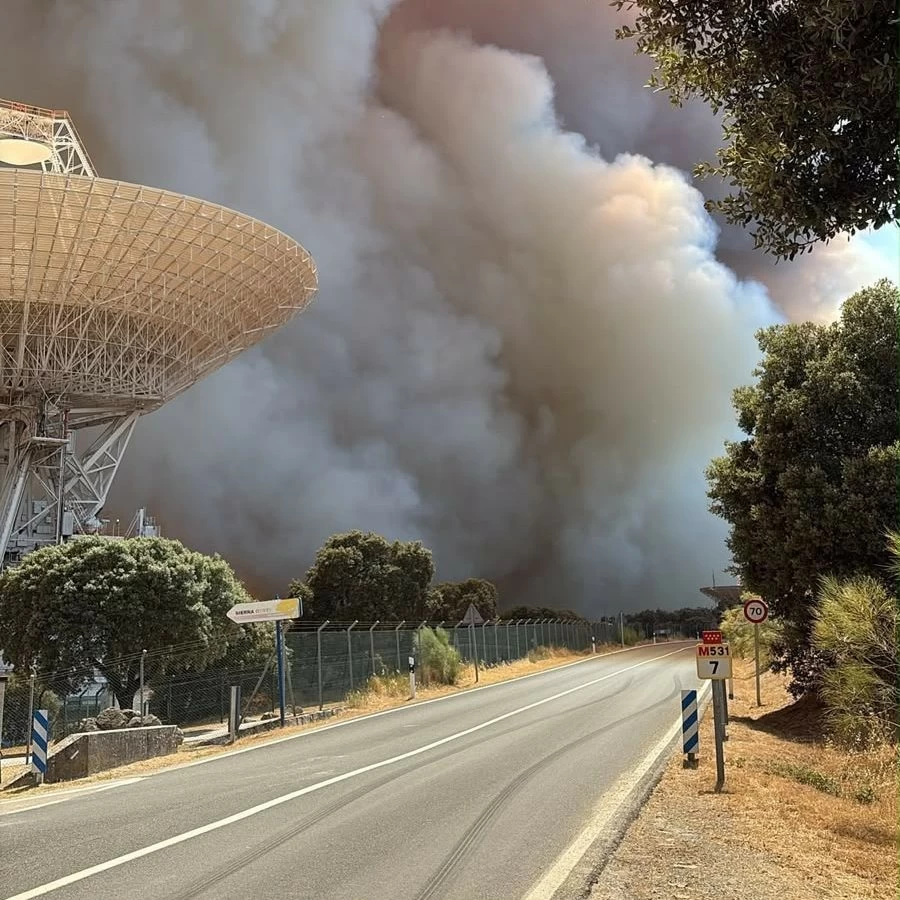
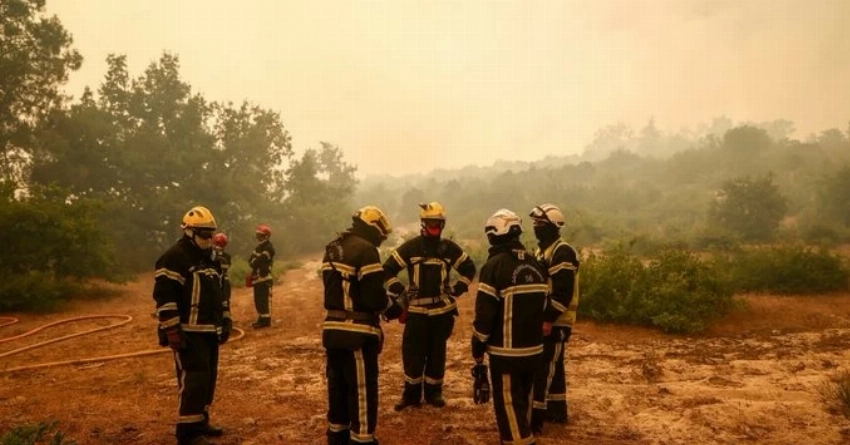
تواصل فرق الإطفاء في فرنسا وإسبانيا جهودها المكثفة للسيطرة على حرائق غابات واسعة اجتاحت مناطق عدة في البلدين، وأجبرت نحو 267 ألف شخص على إخلاء منازلهم، وسط حالة من الاستنفار لمواجهة النيران التي تهدد مناطق سكنية وبنى تحتية.
وأعلنت السلطات الإسبانية وفاة شخص بعد العثور عليه داخل سيارة في بلدة مانيسيس غربي مدينة فالنسيا، في وقت تواصل فرق الطوارئ التعامل مع حريق اندلع بالقرب من المنطقة، بينما تتواصل عمليات الإجلاء في عدد من المناطق المتضررة.
إجلاء 197 ألف شخص في فرنسا
وفي فرنسا، أجلت السلطات نحو 197 ألف شخص من المناطق المحيطة بمدينة بوردو، في ظل استمرار جهود مكافحة الحرائق التي دفعت السلطات إلى تعزيز الاستجابة الميدانية ورفع مستوى الاستعداد لمواجهة اتساع رقعة النيران.
وعززت القوات المسلحة الفرنسية انتشارها بإرسال نحو 1500 جندي للمساعدة في عمليات الإطفاء والإجلاء، إلى جانب تقديم الدعم الطبي واللوجستي لفرق الطوارئ والسكان المتضررين.
وعقد رئيس الوزراء الفرنسي سيباستيان لوكورنو اجتماعاً حكومياً جديداً لمتابعة تطورات الأزمة وتنسيق جهود مختلف الأجهزة والجهات المعنية بالاستجابة للحرائق.
عشرات الآلاف يغادرون منازلهم في إسبانيا
وفي إسبانيا، أجبرت الحرائق السلطات على إجلاء نحو 70 ألف شخص من قرى تقع غربي العاصمة مدريد، وسط استمرار انتشار فرق الإطفاء والطوارئ في المناطق المتضررة.
ووصف رئيس الوزراء الإسباني بيدرو سانشيز الوضع بأنه «معقد»، رغم تراجع درجات الحرارة، في مؤشر إلى استمرار صعوبة السيطرة على بعض بؤر الحرائق والحد من انتشارها.
وتعمل فرق الإطفاء على احتواء النيران وحماية المناطق السكنية، بالتزامن مع تنفيذ عمليات الإجلاء وتأمين السكان، فيما تتابع السلطات تطورات الأحوال الجوية التي يمكن أن تؤثر في سرعة انتشار الحرائق أو تسهم في السيطرة عليها.
موجة حر تزيد مخاطر حرائق الغابات
وتأتي هذه الحرائق في ظل موجة من ارتفاع درجات الحرارة والظروف الجوية الجافة التي تشهدها أجزاء من جنوب وغرب أوروبا خلال فصل الصيف، وهي عوامل تزيد من خطر اندلاع حرائق الغابات وسرعة انتشارها.
وتفرض حرائق الغابات تحديات متزايدة على دول المنطقة، خصوصاً مع ارتفاع درجات الحرارة وتراجع معدلات الرطوبة والرياح التي قد تسهم في تمدد النيران بسرعة، ما يجعل عمليات الإجلاء المبكر وتعزيز قدرات فرق الطوارئ من أهم أدوات الحد من الخسائر البشرية والمادية.
ومع استمرار عمليات الإطفاء في فرنسا وإسبانيا، تتركز الجهود حالياً على احتواء بؤر الحرائق وحماية السكان والمناطق المهددة، في وقت تواصل السلطات تقييم الأضرار والخسائر الناجمة عن هذه الكارثة الطبيعية.
Firefighting teams in France and Spain continue their intensive efforts to control extensive wildfires that have swept through several areas in both countries, forcing around 267,000 people to evacuate their homes, amid a state of alert to combat the flames threatening residential areas and infrastructure.
The Spanish authorities announced the death of one person after finding them inside a car in the town of Manises, west of Valencia, as emergency teams continue to deal with a fire that broke out near the area, while evacuation operations are ongoing in several affected regions.
Evacuation of 197,000 people in France
In France, authorities evacuated around 197,000 people from the areas surrounding Bordeaux, as efforts to combat the fires continue, prompting authorities to enhance field response and raise readiness levels to face the expanding fire zones.
The French armed forces have increased their deployment by sending about 1,500 soldiers to assist in firefighting and evacuation operations, in addition to providing medical and logistical support to emergency teams and affected residents.
French Prime Minister Élisabeth Borne held a new government meeting to monitor the developments of the crisis and coordinate the efforts of various agencies and entities involved in responding to the fires.
Tens of thousands leave their homes in Spain
In Spain, the fires have forced authorities to evacuate around 70,000 people from villages located west of the capital Madrid, as firefighting and emergency teams continue to operate in the affected areas.
Spanish Prime Minister Pedro Sánchez described the situation as "complex," despite the drop in temperatures, indicating the ongoing difficulty in controlling some fire hotspots and limiting their spread.
Firefighting teams are working to contain the flames and protect residential areas, while simultaneously carrying out evacuation operations and securing residents, as authorities monitor weather developments that could affect the speed of fire spread or contribute to controlling them.
Heatwave increases wildfire risks
These fires come amid a wave of rising temperatures and dry weather conditions affecting parts of Southern and Western Europe during the summer, which are factors that increase the risk of wildfires and their rapid spread.
Wildfires pose increasing challenges to countries in the region, especially with rising temperatures, decreasing humidity levels, and winds that may contribute to the rapid expansion of flames, making early evacuation operations and enhancing the capabilities of emergency teams crucial tools for minimizing human and material losses.
As firefighting operations continue in France and Spain, efforts are currently focused on containing fire hotspots and protecting threatened populations and areas, while authorities continue to assess the damages and losses resulting from this natural disaster.