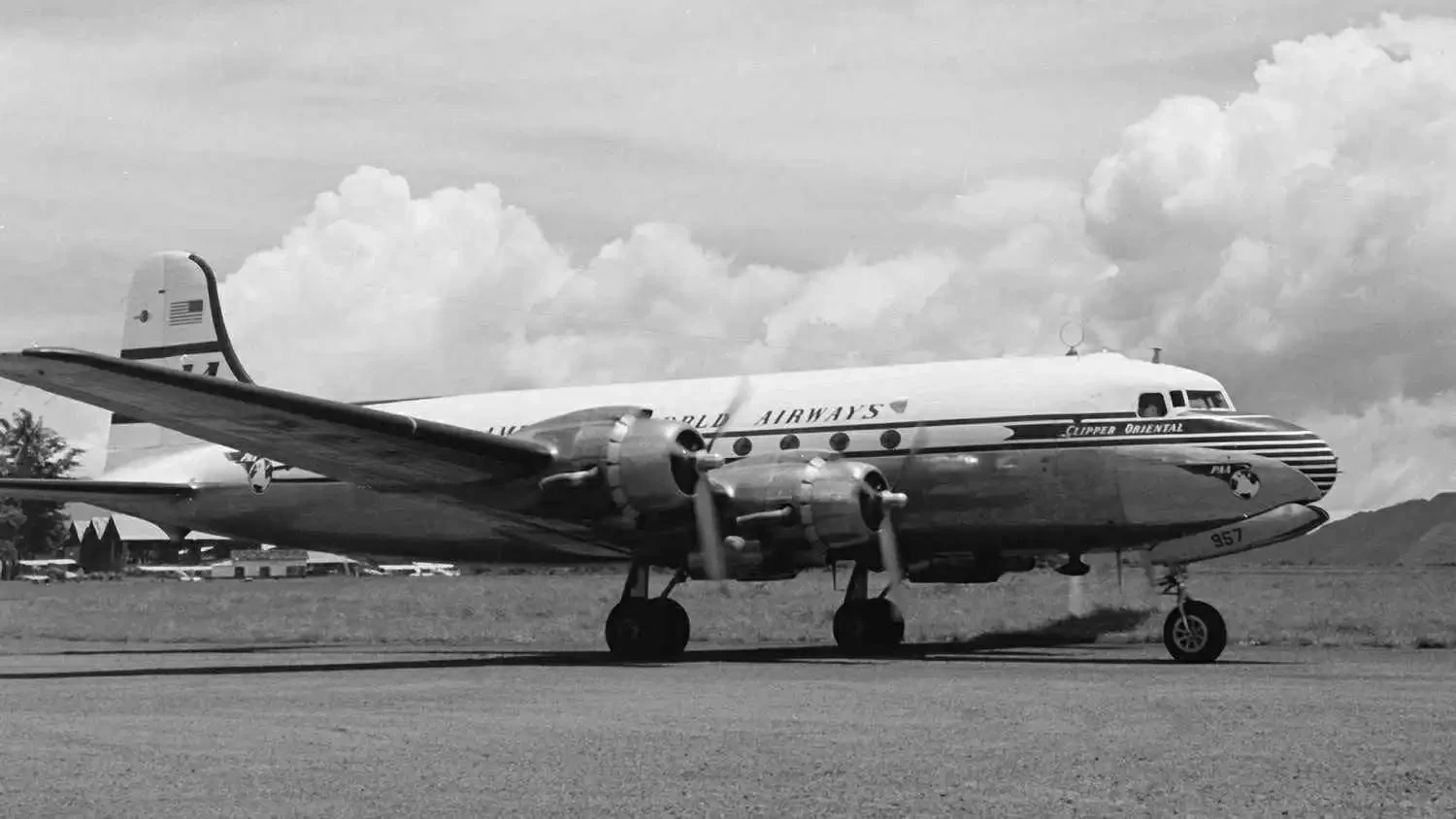
بعد أكثر من سبعة عقود على اختفائها في مياه المحيط الأطلسي، عادت قصة طائرة الركاب التابعة لشركة «بان أمريكان» (Pan Am) إلى الواجهة، بعدما نجح فريق بحث دولي في تحديد موقع حطامها، ليكشف تفاصيل جديدة عن واحدة من الحوادث الجوية التي تركت أثرًا بارزًا في تاريخ الطيران المدني.
وتمكن الباحثون من العثور على حطام طائرة «كليبر إنديفور» (Clipper Endeavor) التابعة لـ«بان آم»، والتي تحطمت قبالة سواحل بورتوريكو عام 1952 أثناء رحلتها المتجهة إلى مدينة نيويورك.
وجاء الاكتشاف بعد عملية بحث استمرت سبع سنوات، قادتها مؤسسة «إير/سي هيريتيج فاونديشن» بالتعاون مع قناة «ديسكفري» وشركة «ديب سي فيجن» المتخصصة في استكشاف أعماق البحار.
واعتمد الفريق في مهمته على مركبات بحرية ذاتية القيادة مزودة بتقنيات سونار متقدمة، مكنته من مسح مساحات واسعة من قاع المحيط بحثًا عن آثار الطائرة المفقودة، إلى جانب الاستعانة بوثائق تاريخية تضمنت أرشيف شركة «بان آم»، وسجلات خفر السواحل الأمريكي، وملفات مجلس الطيران المدني، إضافة إلى خريطة أعدها طيارون من سلاح الجو الأمريكي وثقت موقع سقوط الطائرة وقت وقوع الحادثة.
وأسهم دمج البيانات التاريخية مع التقنيات الحديثة في تحديد موقع الحطام، الذي عُثر عليه على عمق نحو 610 أمتار تحت سطح البحر. وأظهرت عمليات المسح أن هيكل الطائرة المصنوع من الألمنيوم انقسم إلى جزأين، فيما بقي شعار شركة «بان آم» ظاهرًا على جسمها رغم مرور عشرات السنين في قاع المحيط.
وكانت الطائرة من طراز «دوغلاس دي سي-4» (Douglas DC-4)، وقد تعرضت للحادثة المأساوية في 11 أبريل 1952، بعد دقائق من إقلاعها من مدينة سان خوان في بورتوريكو باتجاه نيويورك.
وبحسب التحقيقات، واجهت الطائرة أعطالًا في عدة محركات بعد وقت قصير من الإقلاع، ما دفع قائدها إلى محاولة تنفيذ هبوط اضطراري في البحر، إلا أن الظروف الصعبة حالت دون نجاح المحاولة، لتغرق الطائرة قبل تمكن عدد كبير من الركاب من مغادرتها أو استخدام سترات النجاة.
وأسفرت الحادثة عن وفاة 52 شخصًا، فيما تمكن 17 راكبًا من النجاة بفضل عمليات الإنقاذ التي شاركت فيها فرق من خفر السواحل وسلاح الجو الأمريكي.
وشكلت هذه الكارثة لاحقًا محطة مهمة في تاريخ سلامة الطيران، إذ ساهمت في إعادة تقييم إجراءات الطوارئ والإنقاذ، وتعزيز معايير السلامة المتبعة في الرحلات الجوية التجارية.
More than seven decades after its disappearance in the waters of the Atlantic Ocean, the story of the Pan American passenger plane (Pan Am) has resurfaced, as an international research team successfully located its wreckage, revealing new details about one of the aviation incidents that left a significant mark on the history of civil aviation.
The researchers were able to find the wreckage of the “Clipper Endeavor” belonging to Pan Am, which crashed off the coast of Puerto Rico in 1952 while on its way to New York City.
This discovery came after a seven-year search led by the “Air/Sea Heritage Foundation” in collaboration with the “Discovery” channel and the “Deep Sea Vision” company, which specializes in deep-sea exploration.
The team relied on autonomous marine vehicles equipped with advanced sonar technologies, allowing them to scan vast areas of the ocean floor in search of traces of the missing aircraft, in addition to utilizing historical documents that included the archives of Pan Am, records from the U.S. Coast Guard, and files from the Civil Aeronautics Board, along with a map prepared by pilots from the U.S. Air Force that documented the crash site at the time of the incident.
The integration of historical data with modern technologies contributed to pinpointing the wreckage's location, which was found at a depth of about 610 meters below the sea surface. Scans revealed that the aluminum structure of the aircraft had split into two parts, while the Pan Am logo remained visible on its body despite the decades spent on the ocean floor.
The aircraft was a “Douglas DC-4”, and it suffered the tragic incident on April 11, 1952, just minutes after taking off from San Juan in Puerto Rico heading towards New York.
According to investigations, the aircraft experienced malfunctions in several engines shortly after takeoff, prompting its captain to attempt an emergency landing in the sea; however, difficult conditions prevented the attempt from succeeding, causing the plane to sink before many passengers could evacuate or use life vests.
The incident resulted in the deaths of 52 people, while 17 passengers were able to survive thanks to rescue operations involving teams from the Coast Guard and the U.S. Air Force.
This disaster later became a significant milestone in aviation safety history, as it contributed to the reevaluation of emergency and rescue procedures and enhanced safety standards in commercial air travel.