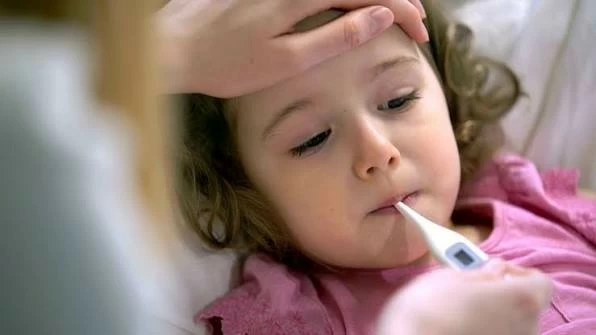
مع حلول أكتوبر ونوفمبر، قد يظن كثيرون أن الإصابة بالحمى مجرد نزلة برد عابرة أو نتيجة لتقلبات الطقس، لكن ارتفاع درجة الحرارة خلال هذه الفترة قد يكون أحيانًا علامة على عدوى تحتاج إلى تشخيص وعلاج مبكرين.
وتشهد فترة ما بعد موسم الأمطار في بعض المناطق انتشارًا لأمراض تنقلها البعوض، وأخرى تنتقل عبر المياه والأطعمة الملوثة، إلى جانب الأنفلونزا والفايروسات التنفسية.
وتكمن صعوبة اكتشاف بعض هذه الأمراض في تشابه أعراضها الأولية، مثل الحمى والصداع وآلام العضلات والإرهاق، ما يجعل الاعتماد على الأعراض وحدها غير كافٍ لتحديد السبب.
وبحسب استشاري الطب الباطني في مستشفى ومعهد القلب الهندي، الدكتور أكشاي تشوغ، هناك 6 أنواع من العدوى ينبغي الانتباه إليها خلال هذه الفترة، مع ضرورة معرفة العلامات التحذيرية التي تستدعي طلب المساعدة الطبية.
حمى الضنك
تنتقل حمى الضنك عبر لدغات بعوض الزاعجة المصاب، الذي قد ينشط نهارًا داخل المنازل وخارجها. ورغم ارتباط ارتفاع الإصابات غالبًا بموسم الأمطار، فإن الخطر قد يستمر بعد انتهائه إذا تجمعت المياه في الأوعية وأحواض النباتات ومبردات الهواء وغيرها من الأماكن التي يتكاثر فيها البعوض.
وتشمل الأعراض الشائعة الارتفاع المفاجئ في درجة الحرارة، والصداع الشديد، والألم خلف العينين، وآلام العضلات والمفاصل، والغثيان والطفح الجلدي.
متى تصبح الحالة خطيرة؟
تتطلب آلام البطن الشديدة، والقيء المستمر، ونزيف الأنف أو اللثة، وظهور الدم في القيء أو البراز، والخمول غير المعتاد أو صعوبة التنفس، رعاية طبية عاجلة.
ومن المهم الانتباه إلى أن العلامات التحذيرية قد تظهر مع بدء انخفاض الحرارة، لذلك فإن تحسن الحمى لا يعني بالضرورة انتهاء الخطر.
كما ينبغي تجنب تناول الأسبرين أو الإيبوبروفين عند الاشتباه في الإصابة بحمى الضنك، لأنهما قد يزيدان خطر النزيف، مع ضرورة استشارة الطبيب بشأن الفحوص والعلاج المناسبين.
الملاريا
تنتج الملاريا عن طفيليات تنتقل إلى الإنسان عبر لدغات البعوض المصاب، ويختلف مستوى انتشارها باختلاف المناطق.
وقد تشمل أعراضها الحمى والقشعريرة والتعرق والصداع وآلام العضلات والإرهاق والغثيان والقيء. وقد تأتي نوبات الحمى والقشعريرة على فترات، لكن الأعراض لا تتبع نمطًا ثابتًا لدى جميع المصابين.
وتحتاج الملاريا إلى تشخيص وعلاج سريعين، لذلك لا ينبغي افتراض أن الحمى المصحوبة بالقشعريرة مجرد استجابة للطقس البارد أو عدوى فايروسية عابرة، وقد يوصي الطبيب بإجراء تحليل للدم أو اختبار تشخيص سريع وفقًا للأعراض ومخاطر الإصابة في المنطقة.
أما التشوش الذهني، والتشنجات، وصعوبة التنفس، والضعف الشديد أو انخفاض مستوى الوعي، فهي علامات تستدعي التدخل الطبي الطارئ.
الشيكونغونيا
تُعد الشيكونغونيا من الأمراض التي ينقلها البعوض، وقد تستمر مخاطر الإصابة بها خلال موسم الأمطار وبعده، وتتشابه أعراضها مع أعراض حمى الضنك، ما يجعل التمييز بين المرضين اعتمادًا على الأعراض وحدها أمرًا صعبًا في بعض الحالات.
وتشمل العلامات المعتادة الحمى المفاجئة المصحوبة بآلام المفاصل، إلى جانب الصداع وآلام العضلات والطفح الجلدي والإرهاق. وقد تستمر آلام المفاصل لأسابيع، بل لفترة أطول لدى بعض المصابين، حتى بعد زوال الحمى.
ويُنصح بالحصول على تقييم طبي إذا كانت الأعراض شديدة أو مستمرة، وقد تكون الفحوص ضرورية للتمييز بين الشيكونغونيا والضنك وتحديد الرعاية المناسبة.
الأنفلونزا والعدوى التنفسية
قد تسهم تقلبات درجات الحرارة والسفر والازدحام والتجمعات داخل الأماكن المغلقة في زيادة فرص انتقال الفايروسات التنفسية، بما يشمل الأنفلونزا وكوفيد-19 وغيرها من العدوى الفايروسية.
وتظهر الأعراض في صورة حمى وسعال والتهاب الحلق وسيلان الأنف والصداع وآلام العضلات والإرهاق. وغالبًا ما تبدأ الأنفلونزا بصورة مفاجئة، مع ارتفاع الحرارة وآلام الجسم والشعور الشديد بالتعب، لكن الأعراض وحدها لا تكفي لتحديد الفايروس المسبب بدقة.
وبحسب منظمة الصحة العالمية، قد يكون كبار السن والأطفال الصغار والحوامل والأشخاص المصابون بأمراض مزمنة أكثر عرضة للمضاعفات.
وتشمل علامات الخطر صعوبة التنفس وألم الصدر والتشوش الذهني وازرقاق الشفتين والجفاف الشديد، وهي أعراض تستدعي رعاية عاجلة.
ويمكن الحد من انتقال العدوى عبر غسل اليدين بانتظام، وتحسين التهوية، وتغطية الفم والأنف عند السعال، والبقاء في المنزل عند المرض. كما يمكن استشارة الطبيب بشأن ملاءمة التطعيم الموسمي ضد الأنفلونزا.
التيفوئيد وعدوى المياه الملوثة
قد يؤدي تلوث المياه والأطعمة إلى انتقال الحمى المعوية، المعروفة باسم التيفوئيد، إلى جانب عدوى أخرى تسبب الإسهال والقيء، خصوصًا عندما تتراجع معايير سلامة المياه أو النظافة الغذائية.
ويمكن أن تشمل أعراض التيفوئيد الحمى المستمرة والصداع والضعف وآلام البطن وفقدان الشهية وتغيرات في حركة الأمعاء. أما التهاب المعدة والأمعاء، فيظهر غالبًا في صورة إسهال وقيء وتقلصات بالبطن، وقد تصاحبه الحمى.
وللحد من مخاطر الإصابة، يُنصح بشرب مياه مأمونة، وغسل اليدين قبل تناول الطعام، واختيار الأطعمة الطازجة المعدة في أماكن تلتزم بالنظافة.
وتستدعي الحمى المستمرة تقييمًا طبيًا، إذ لا يمكن تأكيد الإصابة بالتيفوئيد من الأعراض وحدها. كما يجب تجنب تناول المضادات الحيوية دون وصفة طبية.
داء البريميات والتيفوس
هناك عدوى أقل شهرة تستحق الانتباه في بعض المناطق، خصوصًا بعد هطول الأمطار الغزيرة أو حدوث الفيضانات.
ينتقل داء البريميات عبر المياه أو التربة الملوثة ببول الحيوانات المصابة. وقد ترتفع مخاطر التعرض له عند ملامسة مياه الفيضانات أو البرك الملوثة، خاصة في حال وجود جروح أو خدوش بالجلد.
وتشمل أعراضه الحمى والصداع وآلام العضلات واحمرار العينين، بينما قد تؤثر الحالات الشديدة في الكلى أو الكبد أو الرئتين.
أما مرض التيفوس المنقول بواسطة عثّ مصاب، المعروف باسم Scrub typhus، فقد يظهر بعد موسم الأمطار، خاصة في المناطق الريفية أو الغنية بالنباتات، وتشمل أعراضه الحمى والصداع وآلام العضلات، وقد يصاحبه طفح جلدي أو علامة داكنة تشبه القشرة في موضع اللدغة، لكنها لا تظهر لدى جميع المصابين.
وفي حال ظهور الحمى بعد التعرض لمياه الفيضانات أو ممارسة أنشطة خارجية أو زيارة مناطق ريفية، ينبغي إبلاغ الطبيب بهذه التفاصيل، لأن التشخيص والعلاج المبكرين مهمان في التعامل مع العدوى.
متى تستدعي الحمى زيارة الطبيب؟
لا ينبغي تقييم خطورة المرض اعتمادًا على درجة الحرارة وحدها، ويُنصح بطلب المشورة الطبية إذا استمرت الحمى لأكثر من 48 إلى 72 ساعة، أو تكررت، أو ازدادت سوءًا، أو صاحبتها آلام شديدة بالجسم أو طفح جلدي أو قيء أو إسهال.
وتستدعي بعض الأعراض التوجه إلى الرعاية الطبية العاجلة دون انتظار، أبرزها النزيف، وآلام البطن الشديدة، وصعوبة التنفس، والتشوش الذهني، والتشنجات، والإغماء أو انخفاض كمية البول.
ويحتاج الأطفال وكبار السن والحوامل والأشخاص الذين يعانون ضعف المناعة إلى قدر أكبر من الحذر، مع عدم تأخير استشارة الطبيب عند ظهور أعراض مقلقة.
كيف تحمي نفسك من عدوى الخريف؟
يمكن تقليل مخاطر الإصابة بعدد من الإجراءات الوقائية البسيطة، من بينها:
تفريغ الأوعية التي تتجمع فيها المياه الراكدة وتنظيفها بانتظام للحد من تكاثر البعوض.
استخدام طارد الحشرات وارتداء ملابس مناسبة، والاستعانة بالشبكات الواقية عند الحاجة.
شرب المياه المأمونة والاهتمام بنظافة الطعام ومصادر إعداده.
غسل اليدين بانتظام وتحسين التهوية في الأماكن المغلقة والمزدحمة.
تجنب تناول المضادات الحيوية أو الجمع بين أدوية متعددة لعلاج الحمى دون استشارة مختص.
As October and November approach, many may think that a fever is just a passing cold or a result of weather fluctuations, but an elevated temperature during this period can sometimes be a sign of an infection that requires early diagnosis and treatment.
The post-monsoon period in some areas sees the spread of diseases transmitted by mosquitoes, as well as others spread through contaminated water and food, alongside influenza and respiratory viruses.
The difficulty in detecting some of these diseases lies in the similarity of their initial symptoms, such as fever, headache, muscle pain, and fatigue, making reliance on symptoms alone insufficient to determine the cause.
According to Dr. Akshay Chugh, a consultant in internal medicine at the Indian Heart Hospital and Institute, there are 6 types of infections to be aware of during this period, with the necessity of knowing the warning signs that require medical assistance.
Dengue Fever
Dengue fever is transmitted through the bites of infected Aedes mosquitoes, which may be active during the day both indoors and outdoors. Although the rise in infections is often linked to the rainy season, the risk may continue after it ends if water accumulates in containers, plant pots, air coolers, and other places where mosquitoes breed.
Common symptoms include a sudden rise in temperature, severe headache, pain behind the eyes, muscle and joint pain, nausea, and rash.
When does the condition become serious?
Severe abdominal pain, persistent vomiting, nosebleeds or gum bleeding, the presence of blood in vomit or stool, unusual lethargy, or difficulty breathing require urgent medical care.
It is important to note that warning signs may appear as the temperature begins to drop, so an improvement in fever does not necessarily mean the danger has passed.
Additionally, aspirin or ibuprofen should be avoided if dengue fever is suspected, as they may increase the risk of bleeding, and it is essential to consult a doctor regarding appropriate tests and treatment.
Malaria
Malaria is caused by parasites transmitted to humans through the bites of infected mosquitoes, and its prevalence varies by region.
Symptoms may include fever, chills, sweating, headache, muscle pain, fatigue, nausea, and vomiting. Fever and chills may occur intermittently, but the symptoms do not follow a consistent pattern among all infected individuals.
Malaria requires rapid diagnosis and treatment, so one should not assume that fever accompanied by chills is merely a response to cold weather or a transient viral infection; a doctor may recommend a blood test or rapid diagnostic test based on symptoms and risk factors in the area.
Confusion, seizures, difficulty breathing, severe weakness, or decreased consciousness are signs that require emergency medical intervention.
Chikungunya
Chikungunya is one of the mosquito-borne diseases, and the risk of infection may persist during and after the rainy season. Its symptoms are similar to those of dengue fever, making it difficult to distinguish between the two diseases based solely on symptoms in some cases.
Common signs include sudden fever accompanied by joint pain, along with headache, muscle pain, rash, and fatigue. Joint pain may persist for weeks, or even longer in some individuals, even after the fever subsides.
A medical evaluation is advised if symptoms are severe or persistent, and tests may be necessary to differentiate between chikungunya and dengue and determine appropriate care.
Influenza and Respiratory Infections
Fluctuations in temperature, travel, congestion, and gatherings in enclosed spaces may increase the chances of respiratory viruses spreading, including influenza, COVID-19, and other viral infections.
Symptoms manifest as fever, cough, sore throat, runny nose, headache, muscle pain, and fatigue. Influenza often begins suddenly, with a rise in temperature, body aches, and a strong feeling of fatigue, but symptoms alone are not sufficient to accurately determine the causative virus.
According to the World Health Organization, the elderly, young children, pregnant women, and individuals with chronic illnesses may be more susceptible to complications.
Danger signs include difficulty breathing, chest pain, confusion, bluish lips, and severe dehydration, which are symptoms that require urgent care.
Infection transmission can be reduced by regularly washing hands, improving ventilation, covering the mouth and nose when coughing, and staying home when sick. Consulting a doctor about the appropriateness of seasonal influenza vaccination is also advisable.
Typhoid and Contaminated Water Infections
Water and food contamination can lead to the transmission of enteric fever, known as typhoid, along with other infections that cause diarrhea and vomiting, especially when water safety or food hygiene standards decline.
Symptoms of typhoid may include persistent fever, headache, weakness, abdominal pain, loss of appetite, and changes in bowel movements. Gastroenteritis often presents as diarrhea, vomiting, and abdominal cramps, and may be accompanied by fever.
To reduce the risk of infection, it is advisable to drink safe water, wash hands before eating, and choose fresh foods prepared in hygienic environments.
Persistent fever requires medical evaluation, as typhoid cannot be confirmed based on symptoms alone. Antibiotics should also be avoided without a prescription.
Leptospirosis and Typhus
There is a lesser-known infection that deserves attention in some areas, especially after heavy rainfall or flooding.
Leptospirosis is transmitted through water or soil contaminated with the urine of infected animals. The risk of exposure may increase when coming into contact with floodwaters or contaminated puddles, especially if there are cuts or scrapes on the skin.
Symptoms include fever, headache, muscle pain, and red eyes, while severe cases may affect the kidneys, liver, or lungs.
The typhus disease transmitted by infected mites, known as Scrub typhus, may appear after the rainy season, especially in rural or densely vegetated areas, and its symptoms include fever, headache, muscle pain, and may be accompanied by a rash or a dark spot resembling a scab at the bite site, though this does not appear in all infected individuals.
If fever develops after exposure to floodwaters, engaging in outdoor activities, or visiting rural areas, it is important to inform the doctor of these details, as early diagnosis and treatment are crucial in managing the infection.
When Does Fever Require a Doctor's Visit?
The severity of the illness should not be assessed based solely on temperature, and it is advisable to seek medical advice if the fever persists for more than 48 to 72 hours, recurs, worsens, or is accompanied by severe body aches, rash, vomiting, or diarrhea.
Some symptoms necessitate immediate medical attention without delay, including bleeding, severe abdominal pain, difficulty breathing, confusion, seizures, fainting, or decreased urine output.
Children, the elderly, pregnant women, and individuals with weakened immune systems require greater caution, and consulting a doctor should not be delayed when concerning symptoms arise.
How to Protect Yourself from Autumn Infections?
The risk of infection can be reduced through several simple preventive measures, including:
Emptying containers that collect stagnant water and cleaning them regularly to limit mosquito breeding.
Using insect repellent and wearing appropriate clothing, and utilizing protective nets when necessary.
Drinking safe water and ensuring food hygiene and preparation sources.
Washing hands regularly and improving ventilation in crowded indoor spaces.
Avoiding taking antibiotics or combining multiple medications to treat fever without consulting a specialist.