أعلنت الحكومة البيروفية، (الثلاثاء)، حالة الطوارئ في 5 مقاطعات بمنطقة خونين الواقعة في المرتفعات الوسطى للبلاد، عقب الزلزال العنيف الذي ضرب المنطقة السبت الماضي، وأسفر عن سقوط 6 قتلى على الأقل وإصابة 32 آخرين، فضلاً عن أضرار واسعة لحقت بالمنازل والمنشآت والبنية التحتية.
31
وضرب الزلزال، الذي بلغت قوته 5.1 درجة على مقياس ريختر، منطقة «تشونجوس باخو» الواقعة على بُعد نحو 300 كيلومتر شرق العاصمة ليما، والتي سجلت مركز الهزة الأرضية.
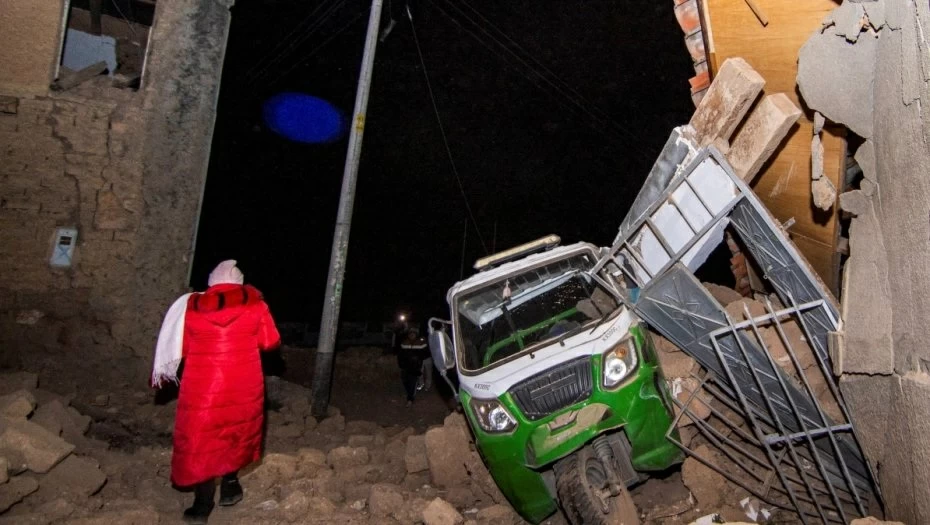
وأدى الزلزال إلى انهيار 52 منزلاً بالكامل، فيما لحقت أضرار جسيمة بعدد من المدارس والكنائس والمراكز الصحية والمباني الحكومية، ما دفع السلطات إلى إعلان حالة الطوارئ وبدء تحرك واسع لمواجهة تداعيات الكارثة.
32
وتستمر حالة الطوارئ لمدة 60 يوماً، بما يتيح للسلطات تسريع عمليات الاستجابة والإغاثة، وتوفير المساعدات للمتضررين، وإزالة الأنقاض، وإقامة المراكز الطبية الميدانية، إلى جانب العمل على إعادة تأهيل المرافق الحيوية التي تضررت جراء الزلزال.
ونشرت الحكومة 122 عنصراً من قوات الإنقاذ للمشاركة في عمليات إزالة الركام وتنظيف المناطق المتضررة، فضلاً عن إقامة ملاجئ مؤقتة لأكثر من 300 شخص اضطروا إلى مغادرة منازلهم بعد تدميرها أو تعرضها لأضرار بالغة.
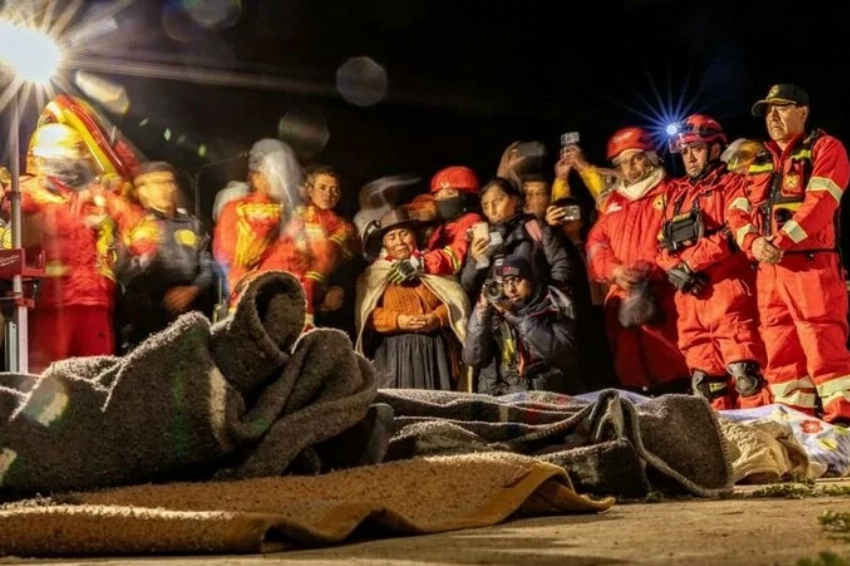
كما شاركت فرق من الجيش والشرطة ورجال الإطفاء في عمليات البحث والتفتيش بين أنقاض المنازل المنهارة، في محاولة للتأكد من عدم وجود أشخاص عالقين تحت الركام، بالتزامن مع تقييم حجم الأضرار التي لحقت بالمناطق الجبلية المتضررة.
وتقع بيرو ضمن منطقة «حزام النار» في المحيط الهادئ، وهي منطقة نشطة زلزالياً تمتد حول المحيط وتضم مناطق تشهد نشاطاً متكرراً للزلازل والبراكين نتيجة حركة الصفائح التكتونية.
وتعيد الكارثة الأخيرة إلى الأذهان الزلزال المدمر الذي ضرب مدينة بيسكو جنوب بيرو عام 2007، وبلغت قوته 7.9 درجة، وأسفر عن مقتل نحو 595 شخصاً، فضلاً عن تدمير آلاف المنازل والمنشآت.
وتواجه السلطات البيروفية حالياً تحدياً مزدوجاً يتمثل في توفير المأوى والمساعدات العاجلة للأسر المتضررة، إلى جانب تقييم الأضرار وإعادة تأهيل المرافق الأساسية، في ظل الطبيعة الجبلية الوعرة للمنطقة التي قد تعقد عمليات الإنقاذ والإغاثة.
The Peruvian government announced on Tuesday a state of emergency in 5 provinces in the Junín region located in the central highlands of the country, following the violent earthquake that struck the area last Saturday, resulting in at least 6 fatalities and 32 injuries, as well as extensive damage to homes, facilities, and infrastructure.
31
The earthquake, which registered a magnitude of 5.1 on the Richter scale, hit the "Chungos Bajo" area located about 300 kilometers east of the capital Lima, where the epicenter of the tremor was recorded.
The earthquake caused the complete collapse of 52 houses, while significant damage occurred to several schools, churches, health centers, and government buildings, prompting authorities to declare a state of emergency and initiate a large-scale response to address the disaster's aftermath.
32
The state of emergency will last for 60 days, allowing authorities to expedite response and relief operations, provide assistance to the affected, clear debris, establish field medical centers, and work on rehabilitating vital facilities that were damaged by the earthquake.
The government deployed 122 rescue personnel to participate in debris removal and cleaning of the affected areas, as well as to set up temporary shelters for more than 300 people who were forced to leave their homes after they were destroyed or severely damaged.
Teams from the army, police, and firefighters also participated in search and rescue operations among the rubble of collapsed houses, in an effort to ensure that no one was trapped under the debris, while simultaneously assessing the extent of the damage in the affected mountainous areas.
Peru is located within the "Ring of Fire" in the Pacific, an earthquake-prone area that extends around the ocean and includes regions that experience frequent seismic and volcanic activity due to tectonic plate movements.
The recent disaster recalls the devastating earthquake that struck the city of Pisco in southern Peru in 2007, which had a magnitude of 7.9 and resulted in the deaths of about 595 people, in addition to the destruction of thousands of homes and facilities.
The Peruvian authorities currently face a dual challenge of providing shelter and urgent assistance to affected families, alongside assessing the damage and rehabilitating essential facilities, given the rugged mountainous nature of the area that may complicate rescue and relief operations.