أكد أستاذ الاتحاد الدولي للشطرنج والمدير التنفيذي لاتحاد الشطرنج الروسي ألكسندر تكاتشيوف، أن الشطرنج يُعد من أبرز الأنشطة الذهنية التي تسهم في تنشيط وظائف الدماغ، مشيراً إلى أنه يساعد على تحفيز نصفي الدماغ معاً، وهو ما ينعكس إيجاباً على القدرات العقلية والتحصيل العلمي.
وأوضح أن ممارسة الشطرنج تمثل وسيلة فعالة للحد من مخاطر التدهور المعرفي، بما في ذلك مرض ألزهايمر لدى البالغين، كما تسهم في تعزيز التركيز والتفكير المنطقي لدى الأطفال، وهو ما أثبتته اختبارات أظهرت تحسناً ملحوظاً في نتائج الطلاب الذين يمارسون اللعبة.
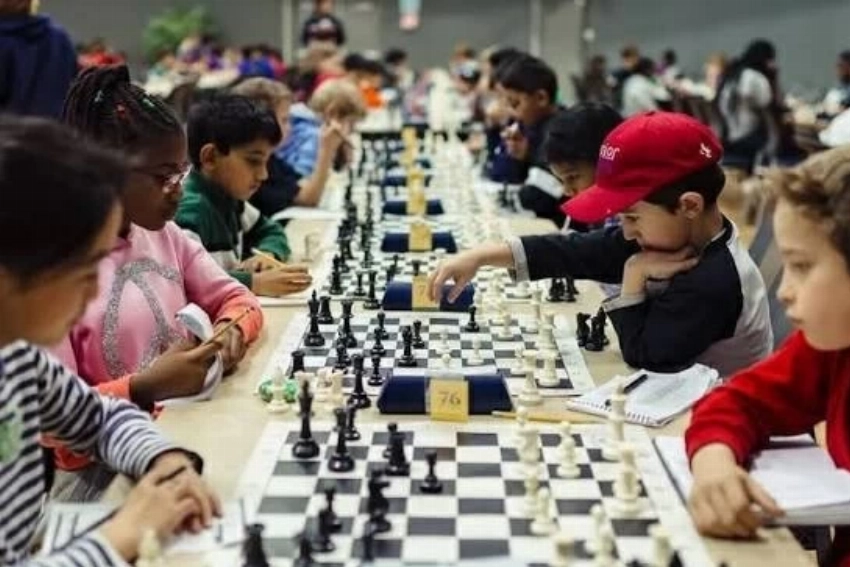
وأشار تكاتشيوف إلى تجربة تعليمية شهدتها مقاطعة كورسك الروسية، حيث أُدرج الشطرنج كمادة اختيارية في جميع المدارس الابتدائية خلال عام 2025، الأمر الذي أسفر -وفقاً لوزارة التعليم في المنطقة- عن ارتفاع متوسط درجات الرياضيات من 3.7 إلى 4.2 بنهاية العام الدراسي، معتبراً أن هذه النتائج تعكس الأثر الإيجابي لممارسة الشطرنج في تطوير المهارات الذهنية.
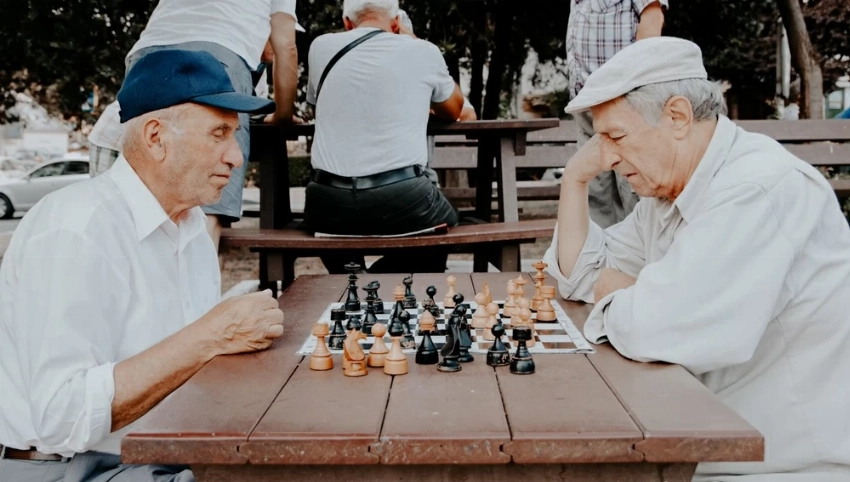
وأضاف أن تعلم الشطرنج متاح للجميع بغض النظر عن العمر، إذ يمكن ممارسته بسهولة سواء باستخدام الرقعة التقليدية أو عبر التطبيقات المتوفرة على الهواتف الذكية، مؤكداً أن اللعبة تجمع بين الرياضة والفن والعلم، وتوفر بيئة مثالية لتنمية التفكير الاستراتيجي واتخاذ القرار.
ويأتي ذلك في وقت يواصل فيه الشطرنج جذب اهتمام عالمي متزايد، مع بروز مواهب شابة حققت إنجازات استثنائية، من بينها الطفل الروسي رومان شوغدجييف الذي نال لقب أستاذ دولي، إلى جانب اللاعب الهندي جوكيش دوماراجو الذي أصبح أصغر بطل عالم في تاريخ اللعبة، في حين شهدت إحدى البطولات الدولية فوز لاعب روسي يبلغ 15 عاماً على بطل العالم السابق ماغنوس كارلسن، في تأكيد جديد على ازدهار اللعبة وقدرتها على صقل المواهب وتنمية القدرات العقلية.
Alexander Tkachev, a professor at the International Chess Federation and the executive director of the Russian Chess Federation, confirmed that chess is one of the most prominent mental activities that contribute to activating brain functions, noting that it helps stimulate both hemispheres of the brain, which positively reflects on cognitive abilities and academic achievement.
He explained that practicing chess represents an effective means to reduce the risks of cognitive decline, including Alzheimer's disease in adults, and also contributes to enhancing concentration and logical thinking in children, as evidenced by tests that showed a significant improvement in the results of students who play the game.
Tkachev pointed to an educational experiment witnessed in the Kursk region of Russia, where chess was included as an elective subject in all primary schools during the year 2025, which resulted - according to the regional Ministry of Education - in an increase in the average math scores from 3.7 to 4.2 by the end of the academic year, considering that these results reflect the positive impact of practicing chess on developing mental skills.
He added that learning chess is accessible to everyone regardless of age, as it can be easily practiced either using the traditional board or through applications available on smartphones, emphasizing that the game combines sport, art, and science, providing an ideal environment for developing strategic thinking and decision-making.
This comes at a time when chess continues to attract increasing global interest, with the emergence of young talents who have achieved exceptional accomplishments, including the Russian child Roman Shugdzhiev who earned the title of International Master, alongside Indian player Gukesh D. who became the youngest world champion in the history of the game, while one international tournament witnessed a 15-year-old Russian player defeating former world champion Magnus Carlsen, further confirming the flourishing of the game and its ability to hone talents and develop cognitive abilities.