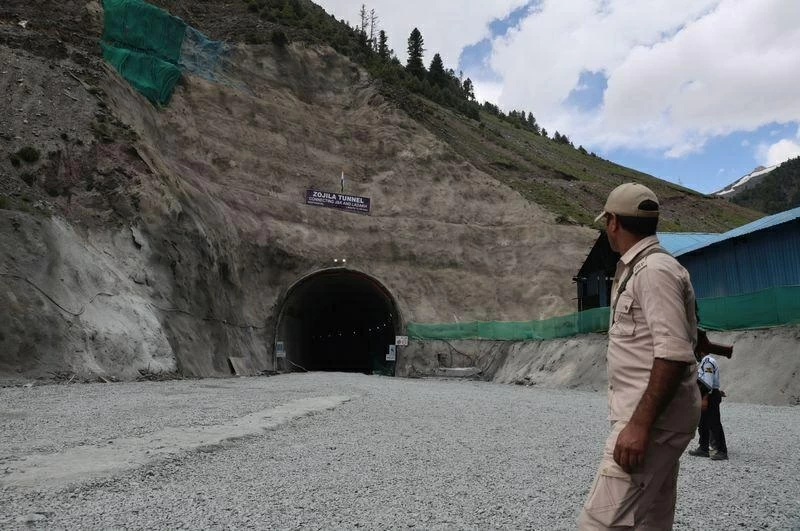
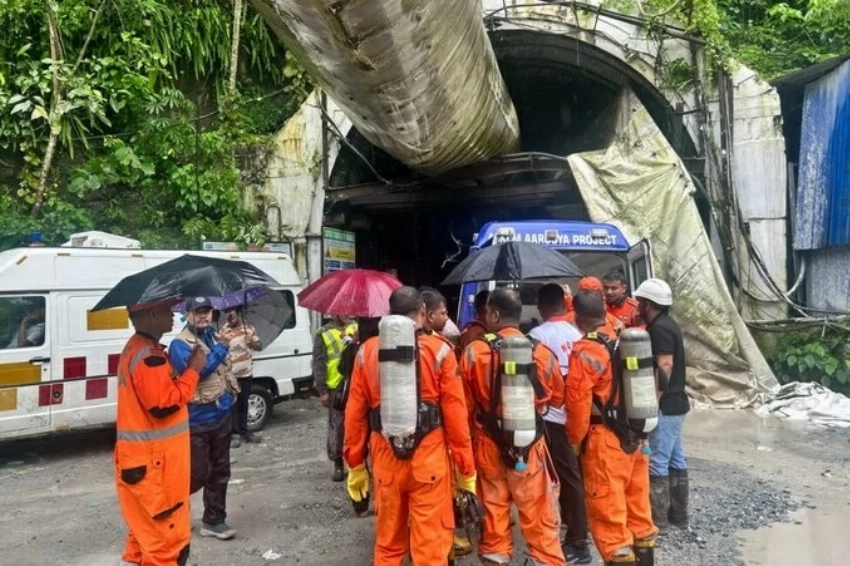
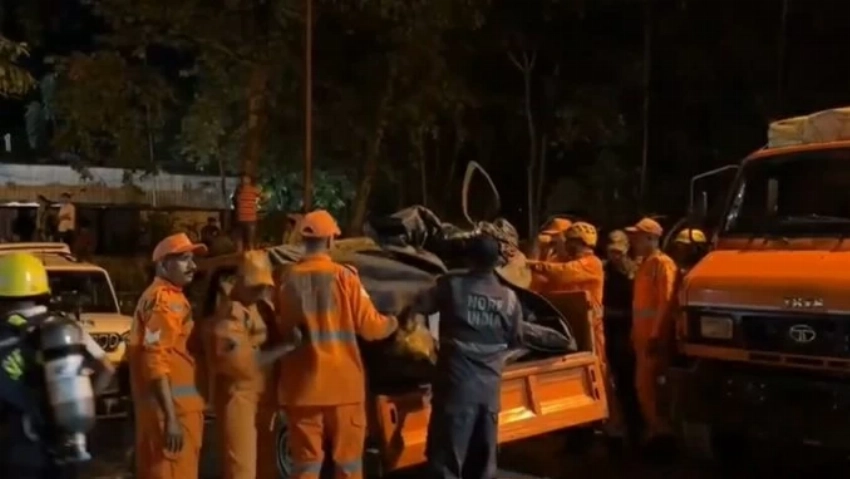
لقي 10 عمال حتفهم، فيما لا يزال 15 آخرون محاصرين داخل نفق قيد الإنشاء في ولاية سيكيم شمال شرقي الهند، إثر انفجار يُعتقد أنه نجم عن تراكم غاز الميثان، ما أدى إلى انهيار أرضي أغلق مدخل النفق وحاصر العمال في الداخل.
وقالت السلطات الهندية إن 25 عاملاً، بينهم موظفون تابعون للمؤسسة الوطنية للطاقة الكهرومائية، كانوا داخل النفق وقت وقوع الحادثة، قبل أن يتسبب الانفجار والانهيار الأرضي في قطع طريق الخروج.
وأكدت الإدارة المحلية مقتل 10 عمال، بينما تواصل فرق الإنقاذ جهودها للوصول إلى العمال الـ15 المحاصرين وإخراجهم، وسط ظروف ميدانية بالغة الصعوبة.
وبحسب المعلومات الأولية، وقع الانفجار على عمق يُقدر بنحو 1.5 كيلومتر داخل النفق، أثناء أعمال تهوية يُعتقد أنها أدت إلى اشتعال أو انفجار غاز الميثان المتراكم في الموقع.
وأدى الانفجار إلى انهيار جزء من التربة والصخور عند مدخل النفق، ما تسبب في إغلاق الطريق المؤدي إلى الخارج، وتعقيد عمليات الوصول إلى العمال المحاصرين.
وتعمل السلطات على تحديد الأسباب الدقيقة للحادثة، فيما تواصل فرق الإنقاذ تقييم مستويات الغازات داخل النفق والتأكد من سلامة المسارات التي يمكن استخدامها للوصول إلى العمال.
وتواصل فرق الإنقاذ، لليوم الثاني على التوالي، عمليات البحث داخل النفق التابع لمشروع «تيستا المرحلة السادسة» للطاقة الكهرومائية في منطقة نامتشي بولاية سيكيم.
وتواجه عمليات الإنقاذ صعوبات كبيرة بسبب انهيار التربة والصخور، وضيق المساحات داخل النفق، فضلاً عن المخاطر المرتبطة باحتمال وجود غازات قابلة للاشتعال، ما يفرض على فرق الإنقاذ التحرك بحذر شديد لتجنب وقوع انهيارات أو انفجارات جديدة.
وتأتي الحادثة لتعيد تسليط الضوء على المخاطر المرتبطة بمشاريع الأنفاق والمنشآت الكهرومائية، لا سيما في المناطق الجبلية التي تتسم بتضاريس معقدة، وتحتاج أعمال الحفر فيها إلى إجراءات صارمة للتهوية ومراقبة الغازات وتدعيم التربة والصخور.
وتعد ولاية سيكيم، الواقعة في منطقة الهيمالايا، من المناطق الجبلية الوعرة في الهند، وتضم عدداً من مشاريع الطاقة الكهرومائية، إلا أن طبيعتها الجغرافية تجعل عمليات الإنقاذ والاستجابة للحوادث أكثر صعوبة، خصوصاً عند وقوع انهيارات داخل الأنفاق والمنشآت الواقعة تحت الأرض.
Ten workers have died, while 15 others remain trapped inside a tunnel under construction in Sikkim, northeastern India, following an explosion believed to have resulted from a buildup of methane gas, which caused a landslide that blocked the tunnel entrance and trapped the workers inside.
Indian authorities stated that 25 workers, including employees of the National Hydroelectric Power Corporation, were inside the tunnel at the time of the incident, before the explosion and landslide cut off the exit route.
The local administration confirmed the death of 10 workers, while rescue teams continue their efforts to reach the 15 trapped workers and bring them out, amidst extremely difficult field conditions.
According to initial information, the explosion occurred at a depth estimated to be about 1.5 kilometers inside the tunnel, during ventilation work that is believed to have ignited or exploded the accumulated methane gas at the site.
The explosion caused a collapse of soil and rock at the tunnel entrance, which resulted in the closure of the exit route and complicated efforts to reach the trapped workers.
Authorities are working to determine the exact causes of the incident, while rescue teams continue to assess gas levels inside the tunnel and ensure the safety of the pathways that can be used to reach the workers.
Rescue teams are continuing their search operations inside the tunnel of the "Teesta Stage VI" hydroelectric project in the Namchi area of Sikkim for the second consecutive day.
The rescue operations face significant challenges due to the collapse of soil and rock, the narrow spaces inside the tunnel, as well as the risks associated with the potential presence of flammable gases, which requires rescue teams to proceed with extreme caution to avoid further collapses or explosions.
This incident highlights the dangers associated with tunnel projects and hydroelectric facilities, especially in mountainous areas characterized by complex terrain, where excavation work requires strict ventilation procedures, gas monitoring, and soil and rock reinforcement.
Sikkim, located in the Himalayan region, is one of the rugged mountainous areas in India and hosts several hydroelectric projects; however, its geographical nature makes rescue operations and incident response more difficult, particularly when collapses occur within tunnels and underground facilities.