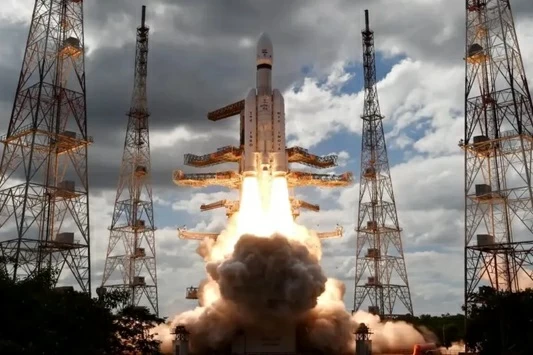
دخلت الهند مرحلة جديدة في سباق الفضاء، بعدما نجحت في إطلاق أول صاروخ طورته شركة فضائية خاصة محلية، في خطوة تعكس توسع دور القطاع الخاص في برنامجها الفضائي المتنامي.
وانطلق صاروخ «فيكرام 1» من مركز سريهاريكوتا الفضائي جنوبي البلاد، ليصل بعد أكثر من 15 دقيقة إلى مداره التشغيلي على ارتفاع نحو 450 كيلومترًا فوق سطح الأرض، وفقًا للجهة المطورة.
ويبلغ طول الصاروخ نحو 23 مترًا، وصُمم لحمل أقمار اصطناعية يصل وزنها إلى 350 كيلوغرامًا إلى المدار الأرضي المنخفض، فيما حملت رحلته التجريبية الأولى مجموعة من المعدات الاستعراضية التي طورتها شركات هندية ناشئة في مجال التكنولوجيا الفضائية.
ويمثل هذا الإطلاق محطة بارزة في مسار الهند نحو تعزيز حضورها في صناعة الفضاء التجارية، بعدما حققت خلال السنوات الماضية إنجازات مهمة، من بينها إرسال بعثة إلى مدار المريخ عام 2014، وتحقيق هبوط ناجح لمركبة على سطح القمر عام 2023.
وتواصل الهند خططها الطموحة لاستكشاف الفضاء، إذ تستهدف تنفيذ أول مهمة مأهولة مستقلة إلى المدار خلال السنوات القادمة، ضمن برنامج طويل المدى يهدف إلى إرسال بعثة بشرية إلى القمر بحلول عام 2040.
India has entered a new phase in the space race, having successfully launched its first rocket developed by a local private space company, in a move that reflects the expanding role of the private sector in its growing space program.
The "Vikram 1" rocket launched from the Satish Dhawan Space Centre in the south of the country, reaching its operational orbit at an altitude of about 450 kilometers above the Earth's surface after more than 15 minutes, according to the developing agency.
The rocket is approximately 23 meters long and is designed to carry satellites weighing up to 350 kilograms into low Earth orbit, while its first test flight carried a set of demonstration equipment developed by Indian startups in the space technology sector.
This launch represents a significant milestone in India's journey to enhance its presence in the commercial space industry, having achieved important milestones in recent years, including sending a mission to Mars orbit in 2014 and successfully landing a spacecraft on the moon's surface in 2023.
India continues its ambitious plans for space exploration, aiming to execute its first independent crewed mission to orbit in the coming years, as part of a long-term program that aims to send a human mission to the moon by 2040.