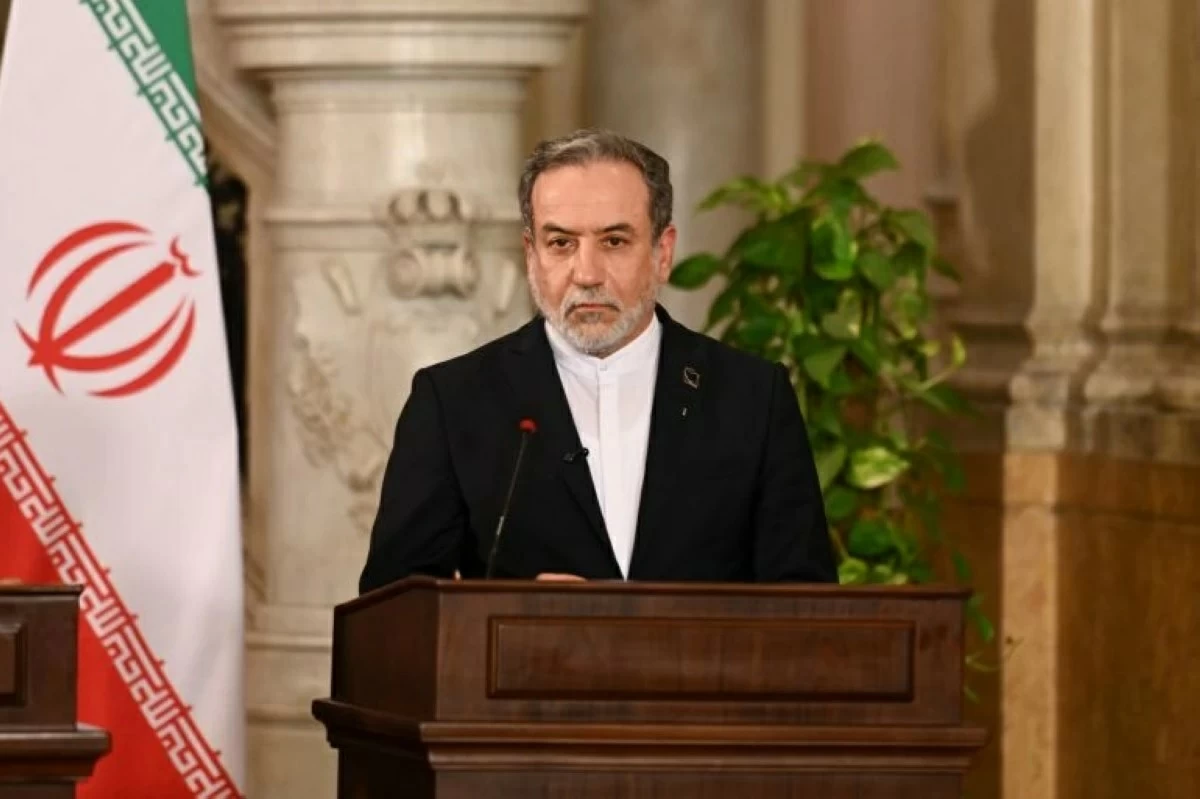
كشف وزير الخارجية الإيراني عباس عراقجي أن «الثغرة الأمنية» التي أدت إلى اغتيال المرشد الأعلى السابق علي خامنئي لا تزال قائمة. وأقر بأن هذه الثغرة لم تقتصر على الجانب الأمني، بل امتدت إلى التأثير في مسار صناعة القرار داخل البلاد.
وقال عراقجي في مقابلة مع برنامج «قصة الحرب» بثتها وسائل إعلام إيرانية، اليوم (الأحد)، إن قصف مقر المرشد تم عبر ثغرة أمنية، وهذه الثغرة ما زالت موجودة، وتؤثر في التوجهات وصناعة القرار.
وأشار إلى أن السلطات الإيرانية وضعت منذ اليوم الأول للحرب خططًا للتعامل مع مختلف السيناريوهات، مؤكدًا أنه في حال استهداف المرشد الأعلى، كان مقررًا إغلاق مضيق هرمز.
وشدد على ضرورة عدم إضاعة فرصة المفاوضات حتى لو كانت نسبتها 10% فالحرب لها تكاليفها، على حد قوله. وأضاف أن طهران وافقت على استئناف المفاوضات مع الولايات المتحدة رغم قناعتها بأن الحرب ستندلع مجددًا.
وأفاد عراقجي بأن أجهزة الدولة والقوات المسلحة كانت على يقين بأن المواجهة العسكرية ستتجدد؛ ولذلك لم تُعلّق استعداداتها على نتائج المسار التفاوضي، لافتًا إلى أن الرد العسكري الإيراني بدأ بعد ساعتين فقط من اندلاع الحرب، حين لقي خامنئي حتفه في 28 فبراير الماضي خلال اجتماع له مع عدد من المسؤولين العسكريين.
وأفصح وزير الخارجية أن جلسة المجلس الأعلى للأمن القومي التي ناقشت إقرار مذكرة التفاهم مع الولايات المتحدة استمرت من الساعة التاسعة مساءً حتى الثالثة فجرًا، فيما جرى قبول وقف إطلاق النار الأولي في اجتماعات أصغر تعذر خلالها عقد جلسة للمجلس الأعلى للأمن القومي، على أن يكون أساس أي مفاوضات لاحقة الالتزام ببنود المقترح الإيراني المؤلف من عشرة بنود.
وأكد أن قرار إنهاء الحرب يُتخذ بصورة جماعية داخل المجلس الأعلى للأمن القومي، ويصبح نافذًا بعد مصادقة القيادة، معتبرًا أن وقف الحرب التي استمرت 12 يومًا كان «قرارًا صحيحًا»، لأنه أتاح لإيران تعزيز قدراتها العسكرية خلال الأشهر اللاحقة.
وأعلن أن إيران أجرت خلال الأشهر الثمانية الفاصلة بين الحربين تعديلات على منظومات إطلاق الصواريخ، بما جعل قدرتها على الإطلاق أكثر استدامة.
Iranian Foreign Minister Abbas Araghchi revealed that the "security gap" that led to the assassination of former Supreme Leader Ali Khamenei still exists. He acknowledged that this gap was not limited to the security aspect but extended to influencing the decision-making process within the country.
Araghchi said in an interview with the program "War Story," broadcast by Iranian media today (Sunday), that the bombing of the Supreme Leader's headquarters occurred through a security gap, which is still present and affects trends and decision-making.
He pointed out that Iranian authorities had plans in place from the first day of the war to deal with various scenarios, emphasizing that if the Supreme Leader were targeted, it was planned to close the Strait of Hormuz.
He stressed the importance of not missing the opportunity for negotiations, even if the chances are 10%, as war has its costs, according to him. He added that Tehran agreed to resume negotiations with the United States despite its conviction that war would break out again.
Araghchi stated that state apparatuses and the armed forces were certain that military confrontation would resume; therefore, they did not suspend their preparations based on the outcomes of the negotiation process, noting that the Iranian military response began just two hours after the war broke out when Khamenei was killed on February 28 during a meeting with several military officials.
The Foreign Minister revealed that the session of the Supreme National Security Council, which discussed the approval of a memorandum of understanding with the United States, lasted from 9 PM until 3 AM, while the acceptance of the initial ceasefire occurred in smaller meetings where it was impossible to hold a session of the Supreme National Security Council, with the basis for any subsequent negotiations being adherence to the ten-point Iranian proposal.
He confirmed that the decision to end the war is made collectively within the Supreme National Security Council and becomes effective after the leadership's approval, considering that the cessation of the 12-day war was a "correct decision," as it allowed Iran to enhance its military capabilities in the following months.
He announced that Iran made modifications to its missile launch systems during the eight months between the two wars, making its launch capability more sustainable.