كشفت دراسة حديثة، أن الروبوتات البشرية، رغم التطور المتسارع في قدراتها، لا تزال بعيدة عن الحلول محل الإنسان في عدد من المهن، ليس بسبب محدودية التقنية فقط، وإنما لأن تكلفة تشغيلها ما زالت أعلى بكثير من تكلفة العامل البشري.
واعتمدت الدراسة، التي أجرتها شركة Planera، على تحليل 30 وظيفة شائعة في الولايات المتحدة، من خلال مقارنة بيانات الأجور الصادرة عن مكتب إحصاءات العمل الأمريكي (BLS) مع التكلفة السنوية لتشغيل روبوت قادر على أداء المهمات نفسها، بما يشمل الشراء والتركيب والصيانة والإشراف.
وتصدرت مساعدات التمريض القائمة، إذ تصل تكلفة استبدال الموظف بروبوت إلى 375.1 ألف دولار سنوياً، أي نحو تسعة أضعاف متوسط الراتب السنوي البالغ 42.2 ألف دولار.
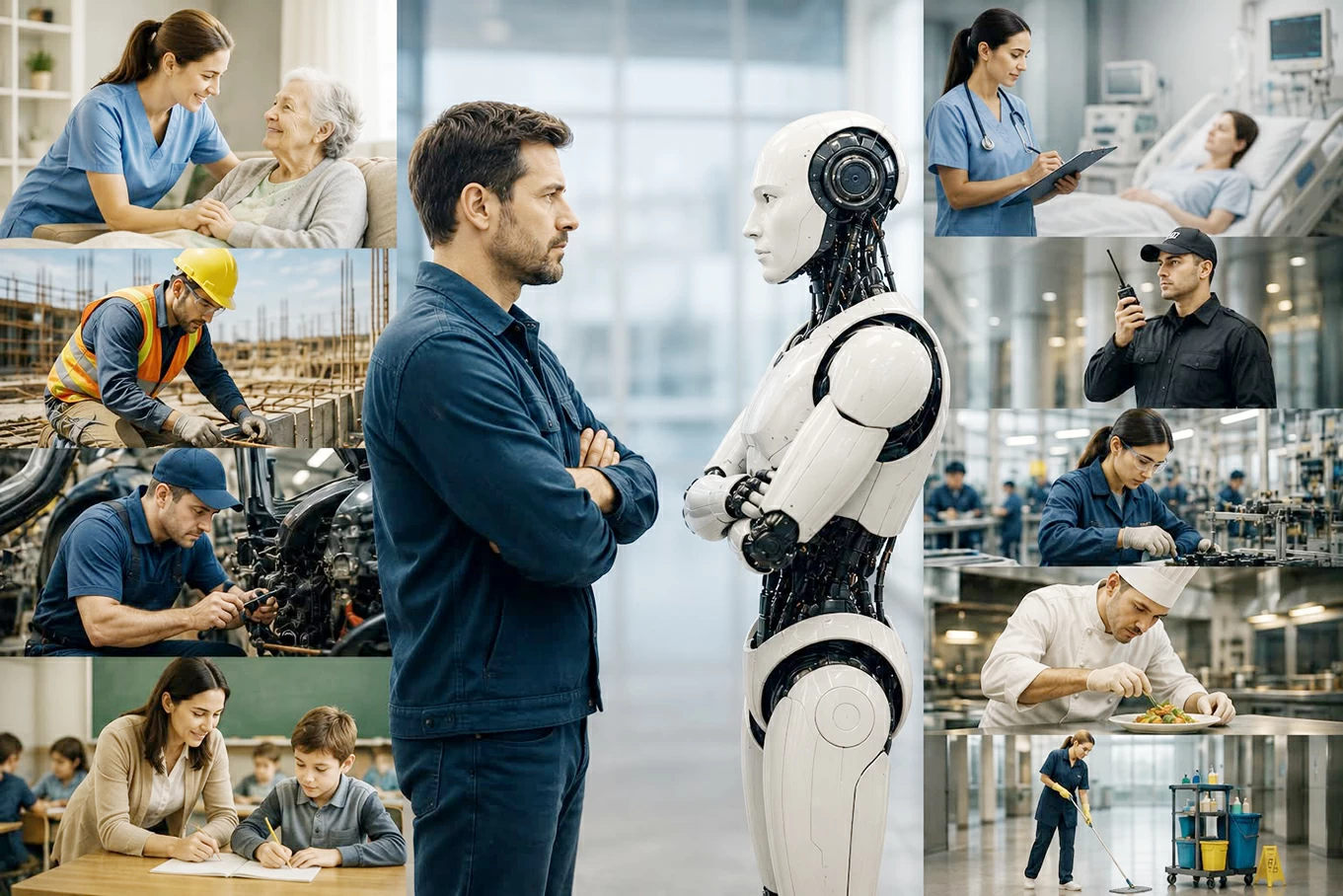
وشملت قائمة الوظائف العشر الأعلى تكلفة عند أتمتتها، مساعدي التمريض، ومساعدي الرعاية الصحية المنزلية والعناية الشخصية، وعمال البناء، وعمال الصيانة والإصلاح، ومساعدي المعلمين، والممرضين النظاميين، وحراس الأمن، وعمال التجميع والتصنيع، وطهاة المطاعم، وعمال النظافة.
وأرجعت الدراسة ذلك إلى أن هذه المهن تعتمد على مهارات يصعب محاكاتها آلياً، مثل التفاعل المباشر مع البشر، والقدرة على التكيف مع البيئات المتغيرة، واتخاذ القرار في مواقف غير متوقعة، إلى جانب ارتفاع تكلفة تطوير وتشغيل الروبوتات القادرة على أداء هذه المهمات.
ورغم ذلك، توقعت الدراسة، أن تنخفض تكاليف الروبوتات خلال السنوات القادمة مع توسع الإنتاج، خصوصاً في الصين، التي يُتوقع أن يتجاوز إنتاجها 100 ألف روبوت بشري خلال عام 2026، ما قد يسرّع انتشارها في سوق العمل، مع بقاء بعض المهن الإنسانية من الأصعب استبدالاً على المدى القريب.
A recent study revealed that humanoid robots, despite the rapid advancement in their capabilities, are still far from replacing humans in several professions, not only due to technological limitations but also because their operating costs remain significantly higher than those of human workers.
The study, conducted by Planera, analyzed 30 common jobs in the United States by comparing wage data from the U.S. Bureau of Labor Statistics (BLS) with the annual cost of operating a robot capable of performing the same tasks, including purchase, installation, maintenance, and supervision.
Nursing assistants topped the list, with the cost of replacing a worker with a robot reaching $375,100 annually, which is about nine times the average annual salary of $42,200.
The list of the ten most expensive jobs to automate included nursing assistants, home health and personal care aides, construction workers, maintenance and repair workers, teacher assistants, registered nurses, security guards, assembly and manufacturing workers, restaurant cooks, and cleaners.
The study attributed this to the fact that these professions rely on skills that are difficult to replicate mechanically, such as direct interaction with humans, the ability to adapt to changing environments, and decision-making in unexpected situations, along with the high costs of developing and operating robots capable of performing these tasks.
Nevertheless, the study predicted that robot costs would decrease in the coming years as production expands, particularly in China, where production is expected to exceed 100,000 humanoid robots by 2026, which could accelerate their spread in the labor market, while some human professions will remain among the hardest to replace in the near term.