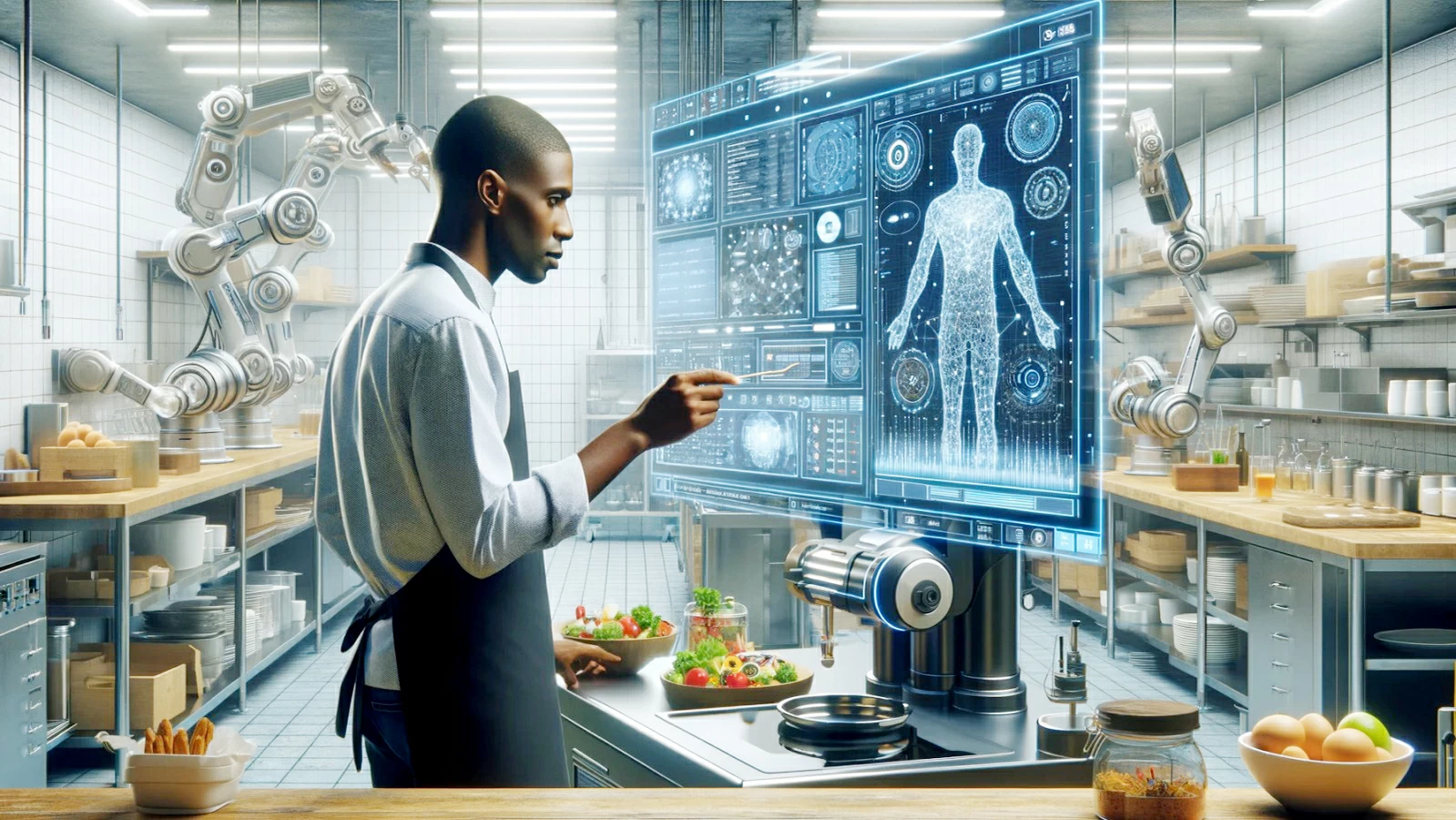
قدّم الذكاء الاصطناعي دفعة جديدة لقطاعي الصناعات الغذائية والعناية الشخصية، مع توسع الشركات في توظيف التقنيات الذكية لتطوير المنتجات بوتيرة أسرع، بعدما نجحت في تقليص زمن الابتكار من سنوات إلى أشهر، وفي بعض الحالات إلى أسابيع فقط.
وأصبحت الشركات العالمية المتخصصة في الأغذية والمشروبات ومنتجات العناية الشخصية والحلويات، تعتمد على الخوارزميات الذكية لتحليل ملايين البيانات، والتنبؤ بخصائص المكونات، واقتراح تركيبات ووصفات جديدة، بما يسهم في تسريع عمليات البحث والتطوير وتحسين كفاءة الإنتاج.
كما ساعدت هذه التقنيات على تقليل عدد النماذج التجريبية المطلوبة قبل الوصول إلى المنتج النهائي، إلى جانب اكتشاف استخدامات جديدة لمكونات كانت مخصصة سابقاً لمنتجات محددة، وإعادة توظيفها في تطبيقات مختلفة، بما يدعم الابتكار ويخفض التكاليف.
وأسهم الاعتماد على الذكاء الاصطناعي أيضاً في تطوير منتجات تتوافق بصورة أكبر مع متطلبات التغذية والاستدامة، مع تحسين الكفاءة التشغيلية في مختلف مراحل الإنتاج.
ويرى خبراء القطاع، أن الذكاء الاصطناعي لم يعد مجرد أداة داعمة لعمليات التطوير، بل أصبح عنصراً إستراتيجياً في منظومة البحث والتطوير، مع التأكيد على أن القرار النهائي بشأن اعتماد المنتجات وطرحها في الأسواق يظل بيد الخبراء والمتخصصين، لضمان الجودة والسلامة قبل وصولها إلى المستهلك.
Artificial intelligence has given a new boost to the food and personal care industries, as companies expand their use of smart technologies to develop products at a faster pace, having succeeded in reducing the innovation timeline from years to months, and in some cases to just weeks.
Global companies specializing in food and beverages, personal care products, and confectionery have begun to rely on smart algorithms to analyze millions of data points, predict the properties of ingredients, and suggest new formulations and recipes, which contributes to accelerating research and development processes and improving production efficiency.
These technologies have also helped reduce the number of prototypes required before reaching the final product, in addition to discovering new uses for ingredients that were previously designated for specific products, and repurposing them in different applications, thereby supporting innovation and lowering costs.
Relying on artificial intelligence has also contributed to the development of products that better align with nutritional and sustainability requirements, while improving operational efficiency at various stages of production.
Industry experts believe that artificial intelligence is no longer just a supportive tool for development processes, but has become a strategic element in the research and development ecosystem, emphasizing that the final decision regarding the adoption and market launch of products remains in the hands of experts and specialists, to ensure quality and safety before reaching the consumer.