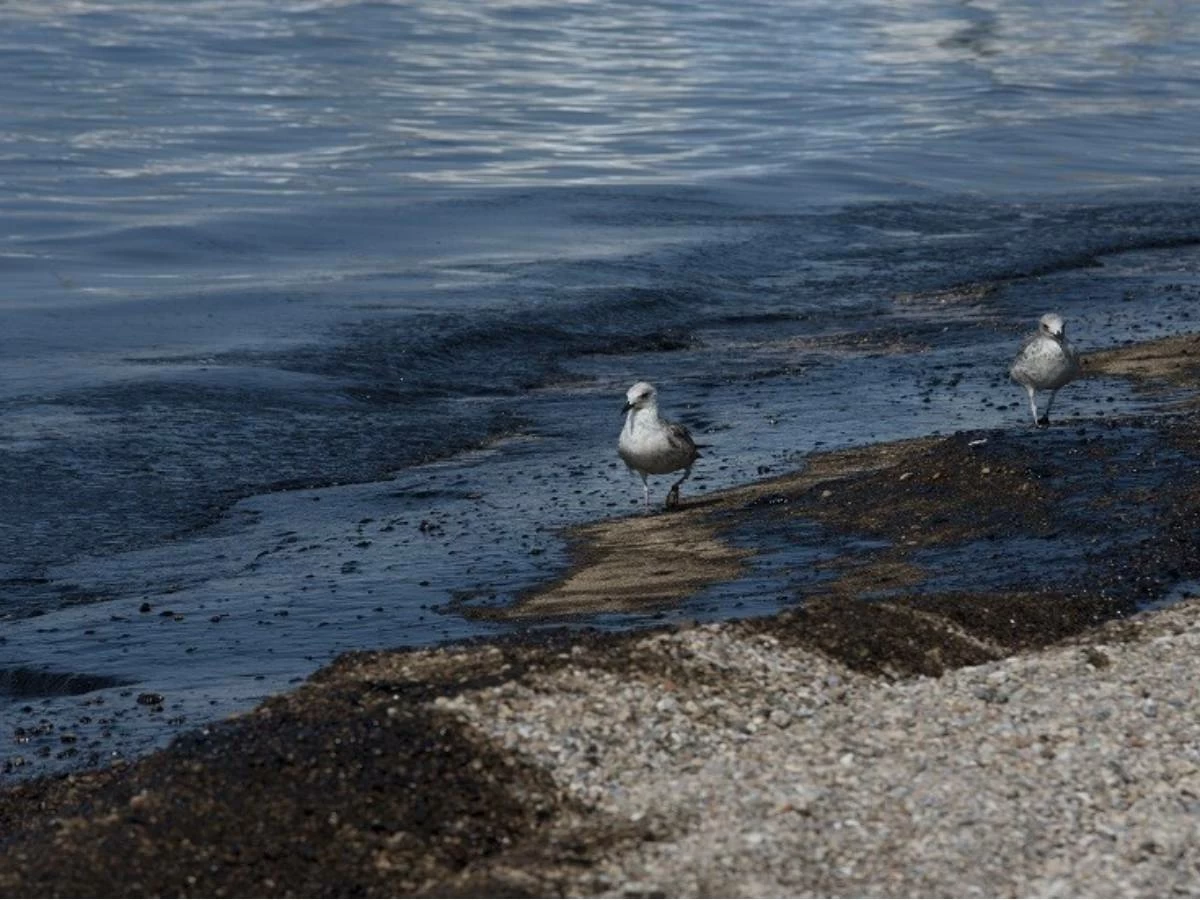
في اكتشاف قد يغيّر أساليب مواجهة الكوارث البيئية، كشف علماء روس أن الطبيعة تمتلك وسيلة فعالة للتصدي للتلوث النفطي، تتمثل في أنواع من البكتيريا البحرية القادرة على تفكيك النفط بكفاءة عالية، بل إن أداءها يتحسن في المياه الباردة، ما يمنحها أهمية خاصة في حماية البحار القطبية من آثار التسربات النفطية.
وتوصل باحثون من جامعة الشرق الأقصى الفيدرالية الروسية، بعد مراجعة وتحليل دراسات علمية أُجريت على مدى 15 عاماً، إلى أن العديد من سلالات البكتيريا البحرية تستطيع تحليل المشتقات النفطية بكفاءة عند درجة حرارة تبلغ خمس درجات مئوية، فيما أظهرت بعض السلالات نشاطاً أكبر في البيئات الباردة مقارنة بدرجة حرارة 22 مئوية.
وأشار الباحثون إلى أن هذه النتائج تكتسب أهمية متزايدة في المناطق القطبية، حيث تشكل التسربات النفطية تحدياً بيئياً كبيراً، بينما يمكن لهذه الكائنات الدقيقة أن تؤدي دوراً طبيعياً في الحد من آثار التلوث.
كما أظهرت الدراسة أن بكتيريا تنتمي إلى أجناس Mycobacterium وBrevibacterium وNocardia وCorynebacterium وRhodococcus وArthrobacter تنتشر بكثافة في المناطق البحرية الأكثر تلوثاً بالنفط، وتمتاز بقدرتها العالية على تحليل المركبات الهيدروكربونية في البيئة البحرية.
وأوضحت أولغا ريبكوفيتس، القائمة بأعمال رئيس جامعة كامتشاتكا، أن أعمال الرصد شملت دراسة النظم البيئية البحرية والساحلية، مع التركيز على التنوع المايكروبي، ولا سيما البكتيريا التي تسهم بشكل طبيعي في تنظيف البيئة البحرية من الملوثات النفطية. وأضافت أن فهم آليات عمل هذه الكائنات الدقيقة يفتح المجال أمام تطوير تقنيات حيوية جديدة يمكن الاستفادة منها في استعادة النظم البيئية المتضررة من حوادث التسرب النفطي.
وتُعد التسربات النفطية من أخطر مصادر التلوث البحري، لما تسببه من أضرار واسعة للكائنات الحية وموائلها الطبيعية، فضلاً عن انتقال آثارها إلى السلسلة الغذائية. وفي المقابل، تمثل البكتيريا المتغذية على الهيدروكربونات خط دفاع طبيعي يساعد على تفكيك الملوثات النفطية وتسريع تعافي النظم البيئية المتضررة.
In a discovery that may change the methods of addressing environmental disasters, Russian scientists have revealed that nature possesses an effective means to combat oil pollution, represented by types of marine bacteria capable of breaking down oil with high efficiency, and their performance even improves in cold waters, giving them particular importance in protecting polar seas from the effects of oil spills.
Researchers from the Far Eastern Federal University of Russia, after reviewing and analyzing scientific studies conducted over 15 years, found that many strains of marine bacteria can efficiently degrade petroleum derivatives at a temperature of five degrees Celsius, while some strains showed greater activity in cold environments compared to a temperature of 22 degrees Celsius.
The researchers pointed out that these results gain increasing importance in polar regions, where oil spills pose a significant environmental challenge, while these microorganisms can play a natural role in mitigating the effects of pollution.
The study also showed that bacteria belonging to the genera Mycobacterium, Brevibacterium, Nocardia, Corynebacterium, Rhodococcus, and Arthrobacter are densely distributed in the most oil-polluted marine areas, and are distinguished by their high ability to degrade hydrocarbon compounds in the marine environment.
Olga Ribkovits, acting president of Kamchatka University, explained that the monitoring work included studying marine and coastal ecosystems, focusing on microbial diversity, particularly bacteria that naturally contribute to cleaning the marine environment from oil pollutants. She added that understanding the mechanisms of these microorganisms opens the door to developing new biotechnologies that can be utilized in restoring ecosystems affected by oil spill incidents.
Oil spills are considered one of the most dangerous sources of marine pollution, due to the extensive damage they cause to living organisms and their natural habitats, as well as the transfer of their effects into the food chain. Conversely, bacteria that feed on hydrocarbons represent a natural line of defense that helps break down oil pollutants and accelerate the recovery of affected ecosystems.