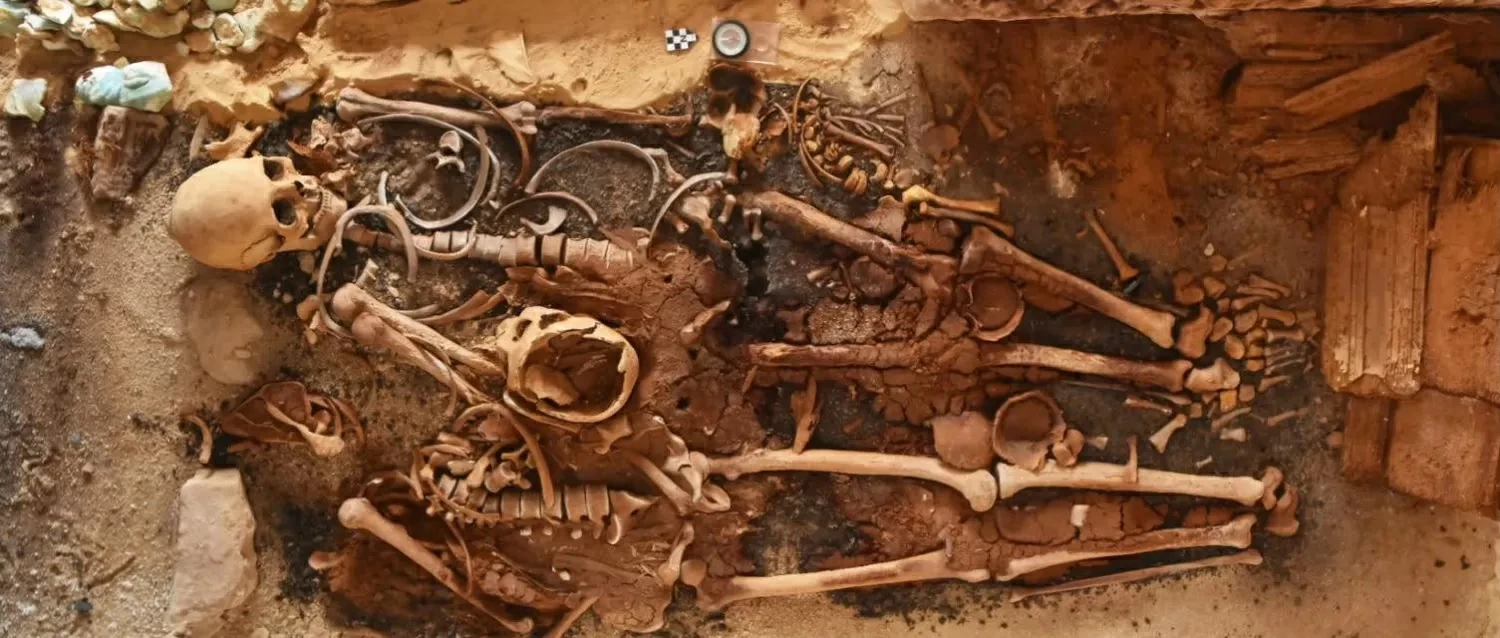
حققت البعثة الأثرية المصرية العاملة بمدينة مارينا العلمين الأثرية، الواقعة على الساحل الشمالي الغربي، كشفاً أثرياً جديداً تمثل في العثور على 18 مقبرة، إلى جانب عدد من الدفنات السطحية والتوابيت ومجموعة من القطع الأثرية النادرة، في اكتشاف يعزز القيمة التاريخية للمدينة ويكشف المزيد من أسرارها.
وبهذا الكشف يرتفع إجمالي المقابر التي جرى العثور عليها في الموقع منذ اكتشافه عام 1986 إلى 44 مقبرة، كما أسفرت أعمال التنقيب عن الكشف عن امتدادات جديدة للمدينة القديمة وعناصرها المعمارية، بما يؤكد مكانة مارينا العلمين كواحدة من أبرز المدن الساحلية القديمة المطلة على البحر المتوسط، وفق ما أعلنته وزارة السياحة والآثار.
وتضم المكتشفات 11 مقبرة منحوتة بالكامل في الصخر بمتوسط عمق يبلغ ثمانية أمتار، إضافة إلى سبع مقابر سطحية شُيدت بالحجر الجيري. وتميز عدد من هذه المقابر بحالة حفظ استثنائية، إذ عُثر داخلها على فتحات دفن لا تزال مغلقة بألواح حجرية منذ العصور القديمة، ولم تتعرض للفتح أو العبث.
كما كشفت الحفائر عن عدد من الدفنات السطحية المنتشرة في محيط المقابر، وهو ما يعكس تنوع الطبقات الاجتماعية لسكان المدينة آنذاك. وعثر الأثريون أيضاً على بئر مياه أعيد استخدامها لاحقاً لأغراض الدفن، في مؤشر واضح إلى استمرار التأثيرات المصرية القديمة في الطقوس والعمارة الجنائزية خلال العصرين البطلمي والروماني.
وأسفرت أعمال التنقيب عن مجموعة مميزة من اللقى الأثرية، شملت أواني فخارية كاملة وشبه كاملة، وأمفورات، ومسارج، وأطباقاً، إلى جانب مذابح وأحواض من الحجر الجيري، فضلاً عن عناصر معمارية كانت جزءاً من تصميم المقابر، بحسب تصريحات رئيس قطاع الآثار المصرية بالمجلس الأعلى للآثار محمد عبدالبديع.
ومن بين أبرز القطع المكتشفة مذبح من الحجر الجيري مخصص لتقديم القرابين، صُممت واجهته على هيئة «الباب الوهمي» المعروف في المعتقدات الجنائزية المصرية القديمة، إضافة إلى تمثال رخامي غير مكتمل يُرجح أنه يجسد الإلهة أفروديت، وشاهد قبر من الحجر الجيري يصور رجلاً جالساً يحمل طائراً، إلى جانب عدد من المدامع الزجاجية، وفق ما أوضحه رئيس الإدارة المركزية لآثار الوجه البحري الدكتور هشام حسين.
وأشارت رئيسة البعثة مديرة المنطقة الدكتورة إيمان عبدالخالق، إلى أن أعمال الحفر أسفرت أيضاً عن اكتشاف تابوت من الغرانيت يبلغ طوله نحو مترين ونصف، لا يزال غطاؤه الأصلي في مكانه، ويضم بداخله بقايا عظمية تخضع حالياً للدراسة العلمية. كما عُثر بالقرب منه على بقايا تمثال لـ«أبو الهول» مصنوع من الجص، وهو ما يعكس استمرار حضور الرموز الدينية والفنية المصرية داخل المدينة خلال العصرين الهلنستي والروماني.
ومن الاكتشافات اللافتة أيضاً العثور على 24 قطعة ذهبية وُضعت داخل أفواه بعض المتوفين فيما يُعرف بـ«اللسان الذهبي»، وهو تقليد ارتبط بالمعتقدات الجنائزية في تلك الحقبة. كما تضمنت المكتشفات قطعة ذهبية على هيئة «عين حورس»، التي تُعد من أبرز رموز الحماية في العقيدة المصرية القديمة.
ووصف وزير السياحة والآثار شريف فتحي، هذا الكشف بأنه يمثل إضافة علمية وأثرية مهمة تسهم في تعميق فهم الهوية الثقافية لسكان مدينة مارينا العلمين القديمة، كما يعيد تسليط الضوء على دورها التاريخي باعتبارها مركزاً حضارياً وثقافياً لعب دوراً محورياً في الربط بين مصر ودول حوض البحر المتوسط.
The Egyptian archaeological mission working in the ancient city of Marina El Alamein, located on the northwestern coast, has made a new archaeological discovery consisting of the finding of 18 tombs, along with several surface burials, coffins, and a collection of rare artifacts, in a discovery that enhances the historical value of the city and reveals more of its secrets.
With this discovery, the total number of tombs found at the site since its discovery in 1986 rises to 44 tombs. The excavation work has also revealed new extensions of the ancient city and its architectural elements, confirming Marina El Alamein's status as one of the most prominent ancient coastal cities overlooking the Mediterranean Sea, according to the Ministry of Tourism and Antiquities.
The findings include 11 tombs fully carved into the rock with an average depth of eight meters, in addition to seven surface tombs built of limestone. Several of these tombs are distinguished by their exceptional state of preservation, as burial openings were found inside that are still sealed with stone slabs from ancient times and have not been opened or tampered with.
The excavations also uncovered several surface burials scattered around the tombs, reflecting the diversity of the social strata of the city's inhabitants at that time. Archaeologists also discovered a water well that was later reused for burial purposes, indicating a clear continuation of ancient Egyptian influences in funerary rituals and architecture during the Ptolemaic and Roman periods.
The excavation work yielded a distinctive collection of archaeological finds, including complete and nearly complete pottery vessels, amphorae, lamps, plates, as well as altars and basins made of limestone, in addition to architectural elements that were part of the tomb designs, according to statements from Mohamed Abd El-Badee, head of the Egyptian Antiquities Sector at the Supreme Council of Antiquities.
Among the most notable discovered pieces is a limestone altar designated for offering sacrifices, designed with a façade resembling the "false door" known in ancient Egyptian funerary beliefs, in addition to an incomplete marble statue likely representing the goddess Aphrodite, and a limestone tombstone depicting a seated man holding a bird, along with several glass vessels, as explained by Dr. Hisham Hussein, head of the Central Administration of Lower Egypt Antiquities.
The head of the mission, Dr. Eman Abdel Khalek, noted that the excavation work also led to the discovery of a granite coffin measuring about two and a half meters long, with its original cover still in place, containing skeletal remains that are currently undergoing scientific study. Nearby, remnants of a statue of the "Sphinx" made of plaster were found, reflecting the continued presence of religious and artistic symbols of Egypt within the city during the Hellenistic and Roman periods.
Another striking discovery was the finding of 24 gold pieces placed inside the mouths of some deceased individuals, known as the "golden tongue," a tradition associated with funerary beliefs of that era. The discoveries also included a gold piece in the shape of the "Eye of Horus," which is one of the most prominent symbols of protection in ancient Egyptian belief.
Minister of Tourism and Antiquities Sherif Fathy described this discovery as an important scientific and archaeological addition that contributes to deepening the understanding of the cultural identity of the inhabitants of the ancient city of Marina El Alamein, while also shedding light on its historical role as a cultural and civilizational center that played a pivotal role in connecting Egypt with the countries of the Mediterranean basin.