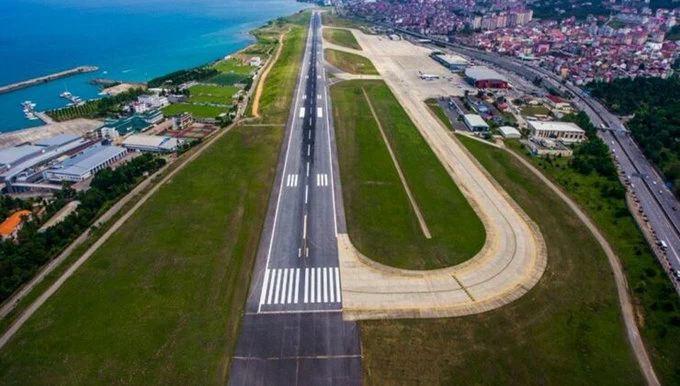
في خطوة هندسية غير مسبوقة لمواجهة الضغط المتزايد على حركة الطيران، قررت الحكومة التركية ردم جزء من مياه البحر الأسود لإنشاء مطار دولي جديد بمحاذاة مطار طرابزون الحالي، في مشروع ضخم يستهدف مضاعفة الطاقة الاستيعابية للمطار وتحويل المدينة إلى مركز رئيسي للنقل الجوي والسياحة في شمال البلاد.
ويأتي المشروع، الذي تشرف عليه وزارة النقل والبنية التحتية التركية، استجابة للزيادة الكبيرة في أعداد المسافرين، لاسيما السياح القادمين من دول الخليج، بعدما أصبحت البنية التحتية الحالية لمطار طرابزون غير قادرة على استيعاب الطلب المتنامي على الرحلات الجوية.
ويتضمن المشروع ردم نحو 3 ملايين متر مربع من مياه البحر الأسود باستخدام نحو 100 مليون طن من الصخور، تمهيداً لإنشاء مدرج جديد بطول 3 آلاف متر، إلى جانب مرافق حديثة قادرة على استقبال الطائرات كبيرة الحجم، مع استمرار تشغيل المطار الحالي طوال فترة تنفيذ الأعمال.
ومن المقرر أن يرفع المشروع الطاقة الاستيعابية للمطار من نحو 3.5 مليون مسافر سنوياً في الوقت الراهن إلى 10 ملايين مسافر بعد اكتمال المشروع، الذي يُتوقع إنجازه خلال نحو 6 سنوات.
وترى الحكومة التركية أن المشروع سيشكل دفعة قوية لقطاعي السياحة والتجارة في منطقة البحر الأسود، وسيسهم في ترسيخ مكانة مدينة طرابزون باعتبارها إحدى أهم بوابات تركيا الجوية، خصوصاً مع تزايد الإقبال عليها من الزوار العرب والخليجيين خلال السنوات الأخيرة.
ويُعد مطار طرابزون من أكثر المطارات التركية ازدحاماً خارج مدينتي إسطنبول وأنقرة، نظراً إلى موقعه الاستراتيجي على ساحل البحر الأسود، إضافة إلى الشعبية المتزايدة التي تحظى بها المدينة بين السياح، خصوصاً من دول الخليج، بفضل طبيعتها الجبلية ومناخها المعتدل.
وليس هذا المشروع الأول من نوعه في تركيا، إذ سبق لأنقرة أن نفذت مشاريع مشابهة عبر ردم البحر لإنشاء مطارات، أبرزها مطار أوردو-غيرسون الذي افتُتح عام 2015، ويُعد أول مطار في أوروبا يُبنى بالكامل على أراضٍ مستصلحة من البحر، كما استُخدمت تقنيات مماثلة في عدد من مشاريع البنية التحتية الساحلية.
وتعكس هذه المشاريع توجه تركيا نحو الاستثمار في البنية التحتية للنقل الجوي، بهدف مواكبة النمو المتواصل في حركة السفر والسياحة، وتعزيز موقعها كمركز إقليمي يربط بين أوروبا وآسيا والشرق الأوسط.
In an unprecedented engineering move to address the increasing pressure on air traffic, the Turkish government has decided to fill part of the Black Sea to create a new international airport adjacent to the existing Trabzon Airport, in a massive project aimed at doubling the airport's capacity and transforming the city into a major hub for air transport and tourism in the north of the country.
The project, overseen by the Turkish Ministry of Transport and Infrastructure, comes in response to the significant increase in the number of travelers, particularly tourists coming from Gulf countries, as the current infrastructure of Trabzon Airport has become unable to accommodate the growing demand for flights.
The project involves filling approximately 3 million square meters of Black Sea water using about 100 million tons of rocks, paving the way for the construction of a new runway measuring 3,000 meters, along with modern facilities capable of receiving large aircraft, while the current airport continues to operate throughout the construction period.
The project is expected to raise the airport's capacity from about 3.5 million passengers annually at present to 10 million passengers upon completion, which is anticipated to be achieved within approximately 6 years.
The Turkish government believes that the project will provide a strong boost to the tourism and trade sectors in the Black Sea region, and will help solidify the position of Trabzon as one of Turkey's most important air gateways, especially with the increasing interest from Arab and Gulf visitors in recent years.
Trabzon Airport is one of the busiest airports in Turkey outside of Istanbul and Ankara, due to its strategic location on the Black Sea coast, in addition to the growing popularity of the city among tourists, particularly from Gulf countries, thanks to its mountainous nature and moderate climate.
This is not the first project of its kind in Turkey, as Ankara has previously implemented similar projects by filling the sea to create airports, most notably the Ordu-Giresun Airport, which opened in 2015 and is the first airport in Europe to be built entirely on land reclaimed from the sea. Similar techniques have also been used in several coastal infrastructure projects.
These projects reflect Turkey's direction towards investing in air transport infrastructure, aiming to keep pace with the continuous growth in travel and tourism, and to enhance its position as a regional hub connecting Europe, Asia, and the Middle East.