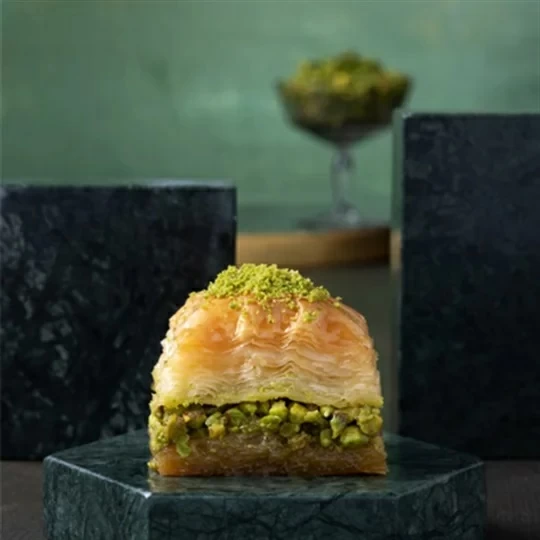
لم يعد النزاع على رقائق العجين والمكسرات مجرد نقاش عابر بين الطهاة، بل تحول رسمياً إلى مواجهة ديبلوماسية حامية الوطيس داخل أروقة منظمة «اليونسكو». فقد اشتعل صراع شرس بين تركيا واليونان وسورية، لحسم السؤال التاريخي المحيّر: من هو المالك الحقيقي للبقلاوة؟
هذا الخلاف الذي طفا على السطح مجدداً يعكس كيف تحولت الأطباق المشتركة إلى ساحات ساخنة لإثبات الهوية الوطنية بعد انهيار الإمبراطوريات القديمة.
الجبهة التركية: سجلات السلاطين وبقلاوة «عنتاب»
تتسلح تركيا في هذه المعركة بمستندات تاريخية دامغة، إذ تعتمد على:
- أوراق قصر «طوب قابي» في إسطنبول التي تثبت أن البقلاوة بشكلها الحديث كانت تُقدم في احتفالات السلاطين العثمانيين الرسمية منذ القرن الخامس عشر.
- مدينة «غازي عنتاب»، العاصمة العالمية للبقلاوة، التي نالت اعترافاً من الاتحاد الأوروبي عام 2013 بمؤشر الحماية الجغرافي لبقلاوتها الشهيرة.
الحجة اليونانية: كلمة «فيلو» وحلوى بيزنطة القديمة
على الجانب الآخر، يرى اليونانيون أن الأتراك أخذوا الفكرة من المطبخ البيزنطي والإغريقي. ويستند باحثوهم إلى تاريخ حلوى تسمى «Placenta» كانت تتكون من طبقات العجين والعسل والمكسرات.
كما يرفع اليونانيون ورقة لغوية قوية، وهي أن كلمة «فيلو» (Phyllo)، التي تُطلق على عجينة البقلاوة الرقيقة، هي كلمة يونانية الأصل وتعني «الورقة»، مما يعزز فرضيتهم بأن مهارة رق العجين ولدت لديهم.
السوريون على الخط: حلب منبع الفستق الملكي
وسط هذا الصراع الصاخب، يطالب السوريون بحصتهم التاريخية في الملكية الفكرية، مذكرين العالم بأن مدناً كدمشق وحلب هي مهد صناعة الحلويات الفاخرة منذ قرون.
ويشير الطهاة السوريون إلى أن «الفستق الحلبي»، المكون الأساسي والأغلى في أجود أنواع البقلاوة، يحمل اسم مدينة حلب ذاتها، وأن الحرفيين الشوام هم من نقلوا وسحروا مطابخ القصور العثمانية بلمساتهم الإبداعية وتطويرهم لهذه الوصفة الملكية.
ماذا يقول مؤرخو الطعام؟
بعيداً عن الصراع السياسي، يرى خبراء الطهي أن البقلاوة الحديثة ليست حكراً على أحد، بل هي نتاج «تلاقح حضاري» طويل ومعقد تم طبخه على نار هادئة عبر القرون، إذ تداخلت فيه مهارات المطبخ العربي، والبيزنطي، والأناضولي، لتخرج لنا هذه التحفة المقرمشة التي تجمع الشعوب في حبها وتفرقهم في أصلها.
The dispute over pastry and nuts is no longer just a fleeting discussion among chefs; it has officially turned into a heated diplomatic confrontation within the halls of UNESCO. A fierce struggle has erupted between Turkey, Greece, and Syria to settle the perplexing historical question: Who is the true owner of baklava?
This disagreement, which has resurfaced, reflects how shared dishes have become hotbeds for proving national identity after the collapse of ancient empires.
The Turkish Front: Sultan's Records and "Antep" Baklava
Turkey is armed in this battle with compelling historical documents, relying on:
- The records from the "Topkapi" Palace in Istanbul, which prove that baklava in its modern form was served at the official celebrations of the Ottoman sultans since the 15th century.
- The city of "Gaziantep," the global capital of baklava, which received recognition from the European Union in 2013 with a geographical protection index for its famous baklava.
The Greek Argument: The Word "Phyllo" and Ancient Byzantine Sweets
On the other side, the Greeks believe that the Turks took the idea from Byzantine and Greek cuisine. Their researchers refer to the history of a sweet called "Placenta," which consisted of layers of dough, honey, and nuts.
The Greeks also raise a strong linguistic point, noting that the word "Phyllo," which refers to the thin dough of baklava, is of Greek origin and means "leaf," reinforcing their hypothesis that the skill of rolling dough originated with them.
The Syrians in the Mix: Aleppo, the Source of Royal Pistachios
Amid this noisy conflict, the Syrians are claiming their historical share of intellectual property, reminding the world that cities like Damascus and Aleppo have been the cradle of luxury confectionery for centuries.
Syrian chefs point out that "Aleppo pistachios," the essential and most expensive ingredient in the finest types of baklava, bear the name of the city itself, and that the craftsmen from the Levant are the ones who transported and enchanted the kitchens of Ottoman palaces with their creative touches and development of this royal recipe.
What Do Food Historians Say?
Away from the political struggle, culinary experts believe that modern baklava is not the exclusive domain of anyone; rather, it is the result of a long and complex "cultural cross-pollination" that has been simmering over the centuries, intertwining the skills of Arab, Byzantine, and Anatolian kitchens to produce this crunchy masterpiece that unites people in their love for it while dividing them over its origins.