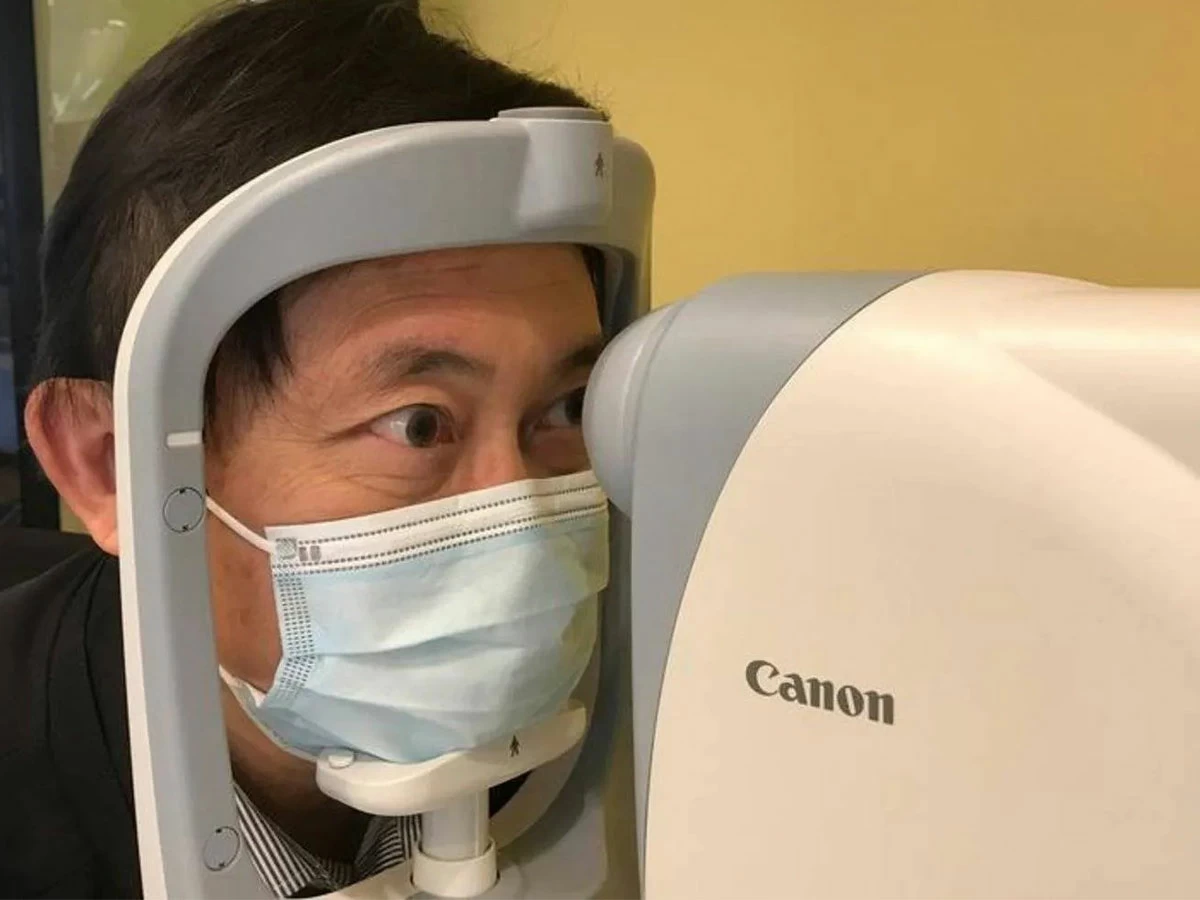
كشفت دراسة علمية أجراها باحثون في جامعة ميشيغان الأمريكية أن اختبار حساسية التباين البصري قد يكون وسيلة فعالة لاكتشاف مشكلات في الرؤية لا تظهر من خلال فحوصات النظر التقليدية، خصوصا لدى الأشخاص المتقدمين في العمر، مما يجعله مؤشراً مبكراً على التغيرات المرتبطة بشيخوخة العين.
ويقيس اختبار حساسية التباين قدرة العين على التمييز بين درجات الإضاءة والظلال، وهي مهارة تختلف عن قياس حدة الإبصار المعتاد الذي يعتمد على قراءة أحرف سوداء واضحة على خلفية بيضاء. ويرتبط ضعف هذه القدرة بزيادة احتمالات السقوط، وصعوبة القيادة، وتراجع القدرة على أداء الأنشطة اليومية باستقلالية.
وأوضحت الدراسة أن عدم القدرة على قراءة أكثر من ستة أسطر في لوحة فحص تعتمد على تدرج الأحرف من الوضوح إلى التلاشي قد يشير إلى وجود خلل في الرؤية اليومية، حتى وإن كانت نتائج اختبار حدة الإبصار طبيعية.
وقالت ليندسي دي لوت، أخصائية طب العيون العصبي بجامعة ميشيغان، إن اختبارات التباين المنخفض تكشف مشكلات لا ترصدها الفحوصات التقليدية، لأنها تقيس قدرة العين على ملاحظة الفروق الدقيقة بين الأجسام وخلفياتها. وأضافت أن الباحثين كانوا يدركون منذ سنوات أهمية حساسية التباين في تقييم جودة الرؤية، إلا أن تحديد نقطة البداية التي تؤثر فيها هذه المشكلة على الأنشطة اليومية، مثل القراءة والتعرف على الوجوه ومشاهدة التلفاز، لم يكن واضحاً.
وأشار الباحثون إلى أن تقييم ضعف حساسية التباين كان يعتمد سابقاً على مؤشرات إحصائية أو على شكاوى المرضى، بينما يقدم البحث الحالي معياراً أكثر ارتباطاً بالأداء البصري في الحياة اليومية، بما يساعد الأطباء على تشخيص الحالات في مراحلها المبكرة.
واستندت الدراسة إلى بيانات أكثر من 4475 مشاركاً ضمن برنامج الرعاية الصحية الأمريكي (Medicare) في إطار دراسة وطنية عن الصحة والشيخوخة. وأظهرت النتائج أن عدداً كبيراً من كبار السن الذين يتمتعون بحدة إبصار طبيعية يعانون في الواقع من انخفاض حساسية التباين، الأمر الذي ينعكس على قدرتهم على المشي في الإضاءة الخافتة، وقراءة الخطوط الصغيرة، والتمييز بين العناصر المتقاربة في اللون أو الإضاءة.
ودعا الباحثون إلى إدراج اختبار حساسية التباين ضمن الفحوصات الدورية للأشخاص الذين تجاوزوا سن الخامسة والستين، باعتباره أداة تساعد على اكتشاف اضطرابات بصرية قابلة للعلاج قبل تفاقمها. كما يواصل الفريق البحثي دراسة العلاقة بين انخفاض حساسية التباين والاستقلالية والصحة العامة لدى كبار السن، بهدف تطوير وسائل أكثر دقة للتنبؤ بالمخاطر الصحية المرتبطة بالتقدم في العمر.
وأكدت الدراسة أن اعتماد هذا الاختبار في العيادات قد يسهم في تحسين تقييم مشكلات الإبصار، إذ إن بعض الصعوبات البصرية اليومية قد تظهر قبل تسجيل أي انخفاض في نتائج اختبارات النظر التقليدية، وهو ما يتيح فرصة للتدخل المبكر وتحسين جودة حياة كبار السن.
A scientific study conducted by researchers at the University of Michigan has revealed that contrast sensitivity testing may be an effective means of detecting vision problems that do not appear through traditional eye examinations, especially in older individuals, making it an early indicator of age-related changes in the eye.
The contrast sensitivity test measures the eye's ability to distinguish between shades of light and shadow, a skill that differs from the usual visual acuity measurement that relies on reading clear black letters against a white background. A decline in this ability is associated with an increased likelihood of falls, difficulty driving, and a decrease in the ability to perform daily activities independently.
The study indicated that the inability to read more than six lines on a test board that relies on a gradient of letters from clarity to fading may indicate a defect in daily vision, even if the results of visual acuity tests are normal.
Lindsey DeLute, a neuro-ophthalmologist at the University of Michigan, stated that low-contrast tests reveal problems not detected by traditional examinations, as they measure the eye's ability to notice subtle differences between objects and their backgrounds. She added that researchers have recognized the importance of contrast sensitivity in assessing visual quality for years, but determining the starting point at which this issue affects daily activities, such as reading, recognizing faces, and watching television, has not been clear.
The researchers noted that the assessment of contrast sensitivity impairment had previously relied on statistical indicators or patient complaints, while the current research provides a standard more closely related to visual performance in daily life, helping doctors diagnose conditions in their early stages.
The study was based on data from more than 4,475 participants within the American healthcare program (Medicare) as part of a national study on health and aging. The results showed that a significant number of older adults with normal visual acuity actually suffer from reduced contrast sensitivity, which affects their ability to walk in low light, read small print, and distinguish between closely colored or lit items.
The researchers called for the inclusion of contrast sensitivity testing in routine examinations for individuals over the age of sixty-five, as it serves as a tool to help detect treatable visual disorders before they worsen. The research team continues to study the relationship between reduced contrast sensitivity, independence, and overall health in older adults, aiming to develop more accurate means of predicting health risks associated with aging.
The study confirmed that adopting this test in clinics could contribute to improving the assessment of vision problems, as some daily visual difficulties may appear before any decline is recorded in traditional eye test results, providing an opportunity for early intervention and improving the quality of life for older adults.