


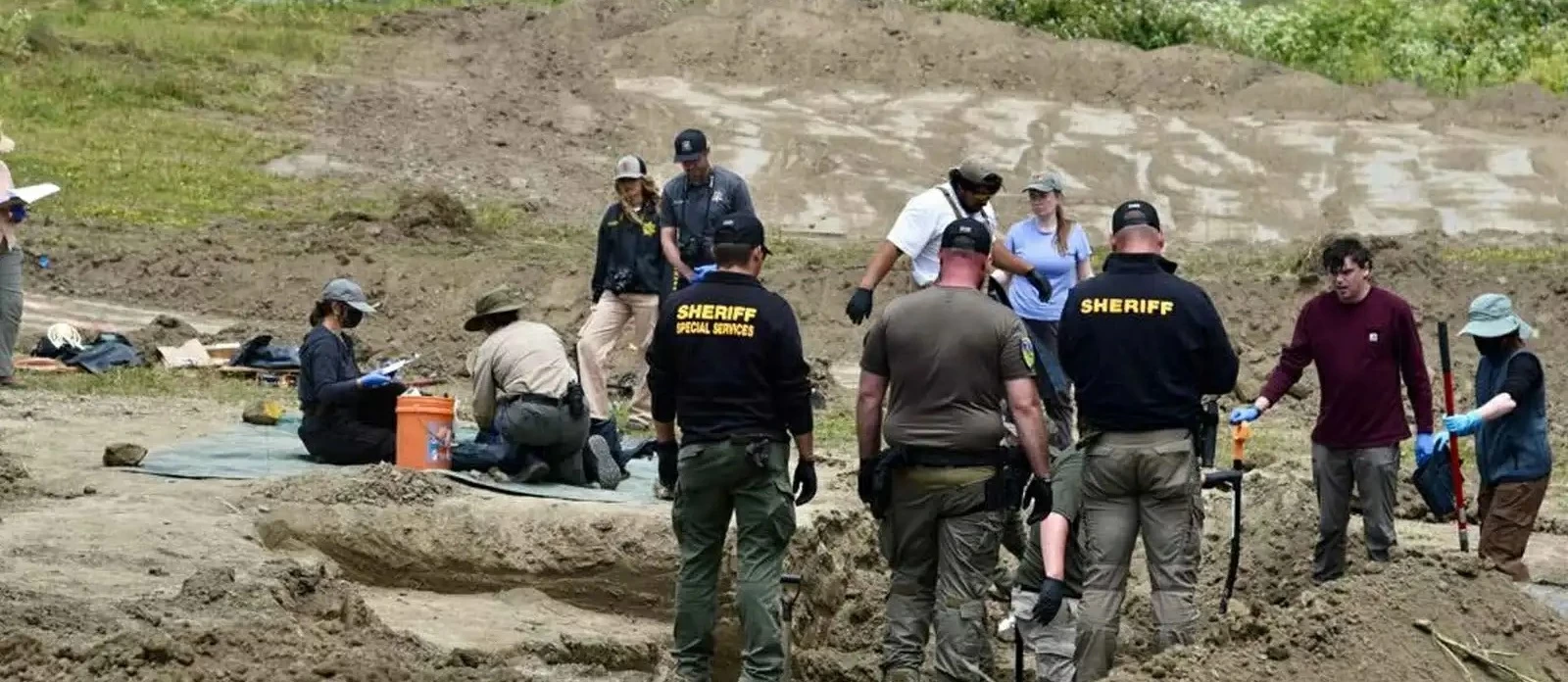
أثار اكتشاف مقبرة جماعية داخل ملجأ للحيوانات في ولاية كاليفورنيا تساؤلات واسعة، بعدما عثر المحققون على بقايا أكثر من 100 كلب، في منشأة تُصنف رسمياً ضمن ملاجئ «عدم القتل»، لتتحول القضية إلى تحقيق جنائي.
بدأت القضية بعد أن وثق نشطاء، باستخدام كاميرات مراقبة سرية، أنشطة دفن أثارت الشبهات داخل الملجأ، ما دفع مكتب شريف مقاطعة هومبولت إلى استصدار مذكرات تفتيش وإجراء عمليات مسح ميداني باستخدام رادارات أرضية.
وكشفت نتائج الفحوص عن وجود شظايا رصاص في جثث أكثر من 70 كلباً، وهو ما يعزز فرضية نفوقها بطلقات نارية، كما عثر المحققون على 21 جمجمة كلب، ومئات العظام، وأكثر من 600 طوق للحيوانات داخل الموقع.
ووجهت السلطات إلى مالك الملجأ، شانون ميراندا، اتهامات جنائية تشمل الاحتيال، وإساءة معاملة الحيوانات، والقتل العمد، في ظل تحقيقات تتناول أيضاً الأموال التي كان يتقاضاها الملجأ، والتي راوحت بين 400 و1450 دولاراً مقابل استقبال كل كلب.
في المقابل، نفت إدارة الملجأ الاتهامات الموجهة إليها، مؤكدة أن المنشأة كانت تلتزم بسياسة عدم القتل، وأن القتل الرحيم كان يُطبق فقط في الحالات الطبية المستعصية أو عندما تشكل الحيوانات خطراً لا يمكن التعامل معه.
ولا تزال التحقيقات مستمرة لتحديد ملابسات الواقعة، وما إذا كانت جميع حالات نفوق الحيوانات تمت وفق الإجراءات القانونية المعتمدة، أو أن هناك مخالفات جنائية ارتُكبت داخل الملجأ.
The discovery of a mass grave inside an animal shelter in California has raised widespread questions, after investigators found the remains of more than 100 dogs in a facility officially classified as a "no-kill" shelter, turning the case into a criminal investigation.
The case began after activists documented suspicious burial activities inside the shelter using hidden cameras, prompting the Humboldt County Sheriff's Office to obtain search warrants and conduct field surveys using ground-penetrating radar.
The results of the examinations revealed bullet fragments in the bodies of more than 70 dogs, reinforcing the hypothesis that they died from gunshot wounds. Investigators also found 21 dog skulls, hundreds of bones, and over 600 animal collars at the site.
Authorities have charged the shelter's owner, Shannon Miranda, with criminal offenses including fraud, animal cruelty, and murder, amid investigations into the funds the shelter was receiving, which ranged from $400 to $1,450 for each dog taken in.
In contrast, the shelter's management denied the allegations against them, asserting that the facility adhered to a no-kill policy and that euthanasia was only applied in cases of terminal medical conditions or when the animals posed an unmanageable danger.
Investigations are still ongoing to determine the circumstances of the incident and whether all cases of animal deaths were conducted according to the approved legal procedures, or if there were any criminal violations committed within the shelter.