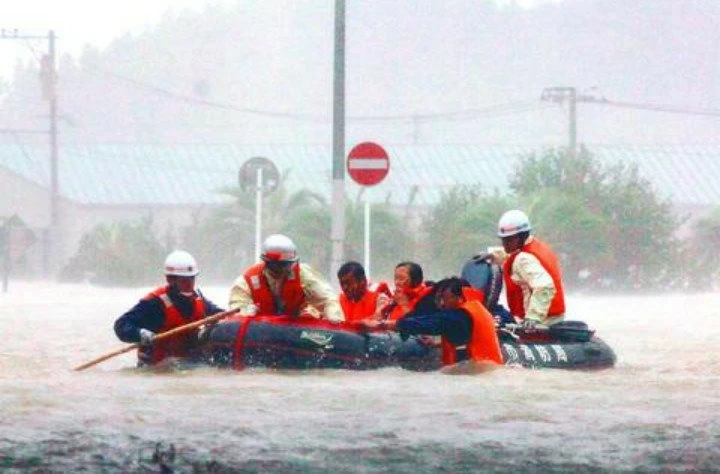
أعلنت السلطات اليابانية إجلاء أكثر من مليوني شخص، وأصدرت تحذيرات واسعة من الفيضانات والانهيارات الأرضية، مع اقتراب العاصفة المدارية «ميكالا» من اليابسة، وسط مخاوف من هطول أمطار غزيرة قد تتسبب في أضرار واسعة بالمناطق الشرقية والوسطى من البلاد.
وحذرت وكالة الأرصاد الجوية اليابانية، السبت، من أن الإعصار «ميكالا»، المصنف حاليًا عاصفة مدارية، قد يؤدي إلى أمطار غزيرة للغاية ترفع من مخاطر الفيضانات والانهيارات الأرضية خلال الساعات القادمة.
وبحسب وكالة الأرصاد، فإن الأمطار الغزيرة بدأت بالفعل تضرب المناطق الساحلية المطلة على المحيط الهادئ، وذلك بعد مرور الإعصار «هيجوس» بالقرب من العاصمة طوكيو، قبل أن يتراجع صباح السبت إلى منخفض استوائي.
وأوضحت الوكالة أن «ميكالا» يواصل تحركه باتجاه الشمال الشرقي فوق المحيط الهادئ بمحاذاة السواحل اليابانية، مع احتمال وصوله إلى اليابسة في شرق البلاد، الأمر الذي دفع السلطات إلى رفع مستوى التأهب في عدد من المحافظات.
وأسفرت الأمطار الغزيرة المصاحبة للإعصارين عن وقوع انهيارات أرضية وأضرار في شبكة الطرق بالمناطق الغربية والجنوبية الغربية، فيما لا يزال شخص في عداد المفقودين، وأصيب عدد آخر بعد انهيار منزل جراء انهيار أرضي في محافظة ياماجوتشي.
وتوقعت وكالة الأرصاد هطول ما يصل إلى 250 مليمترًا من الأمطار في منطقة توكاي بوسط اليابان، ونحو 200 مليمتر في منطقة كانتو-كوشين، التي تضم العاصمة طوكيو، بحلول صباح الأحد، محذرة السكان من مخاطر الفيضانات المفاجئة وارتفاع منسوب الأنهار.
ودعت السلطات السكان في المناطق المتضررة إلى الالتزام بتعليمات الإخلاء وتجنب التنقل غير الضروري، في ظل استمرار سوء الأحوال الجوية وتزايد احتمالات وقوع كوارث طبيعية.
وتتعرض اليابان سنويًا لعدد من الأعاصير المدارية خلال موسم يمتد عادة من مايو إلى أكتوبر، وتبلغ ذروته بين أغسطس وسبتمبر، نتيجة موقعها على المحيط الهادئ ضمن المسار الطبيعي للأعاصير المتشكلة في غرب المحيط.
ورغم امتلاك اليابان أحد أكثر أنظمة الإنذار المبكر وإدارة الكوارث تطورًا في العالم، فإن الأمطار الغزيرة المصاحبة للأعاصير لا تزال تمثل خطرًا كبيرًا، خصوصًا في المناطق الجبلية المعرضة للانهيارات الأرضية، وفي المدن التي تشهد فيضانات مفاجئة نتيجة كثافة الأمطار خلال فترات زمنية قصيرة.
وخلال السنوات الأخيرة، دفعت التغيرات المناخية إلى زيادة شدة الظواهر الجوية المتطرفة، وهو ما دفع السلطات اليابانية إلى تعزيز خطط الإخلاء والاستجابة السريعة لحماية السكان وتقليل الخسائر البشرية والمادية.
The Japanese authorities announced the evacuation of more than two million people and issued widespread warnings of floods and landslides as Tropical Storm "Mikala" approaches land, amid fears of heavy rainfall that could cause extensive damage in the eastern and central regions of the country.
The Japan Meteorological Agency warned on Saturday that Typhoon "Mikala," currently classified as a tropical storm, could lead to extremely heavy rainfall, increasing the risks of floods and landslides in the coming hours.
According to the agency, heavy rains have already begun to hit coastal areas facing the Pacific Ocean, following Typhoon "Higosh" passing near the capital Tokyo, before it weakened to a tropical depression on Saturday morning.
The agency explained that "Mikala" continues to move northeast over the Pacific Ocean along the Japanese coasts, with the possibility of making landfall in the eastern part of the country, prompting authorities to raise the alert level in several prefectures.
The heavy rains accompanying the two typhoons have caused landslides and damage to the road network in the western and southwestern regions, while one person remains missing, and several others were injured after a house collapsed due to a landslide in Yamaguchi Prefecture.
The agency predicted rainfall of up to 250 millimeters in the Tokai region of central Japan, and about 200 millimeters in the Kanto-Koshin region, which includes the capital Tokyo, by Sunday morning, warning residents of the risks of sudden floods and rising river levels.
Authorities urged residents in affected areas to adhere to evacuation instructions and avoid unnecessary travel, as adverse weather conditions continue and the likelihood of natural disasters increases.
Japan is subjected to several tropical storms annually during a season that typically runs from May to October, peaking between August and September, due to its location in the Pacific Ocean along the natural path of storms forming in the western ocean.
Despite having one of the most advanced early warning and disaster management systems in the world, the heavy rains accompanying typhoons still pose a significant threat, especially in mountainous areas prone to landslides and in cities experiencing sudden floods due to intense rainfall over short periods.
In recent years, climate change has led to an increase in the severity of extreme weather phenomena, prompting Japanese authorities to enhance evacuation plans and rapid response measures to protect residents and reduce human and material losses.