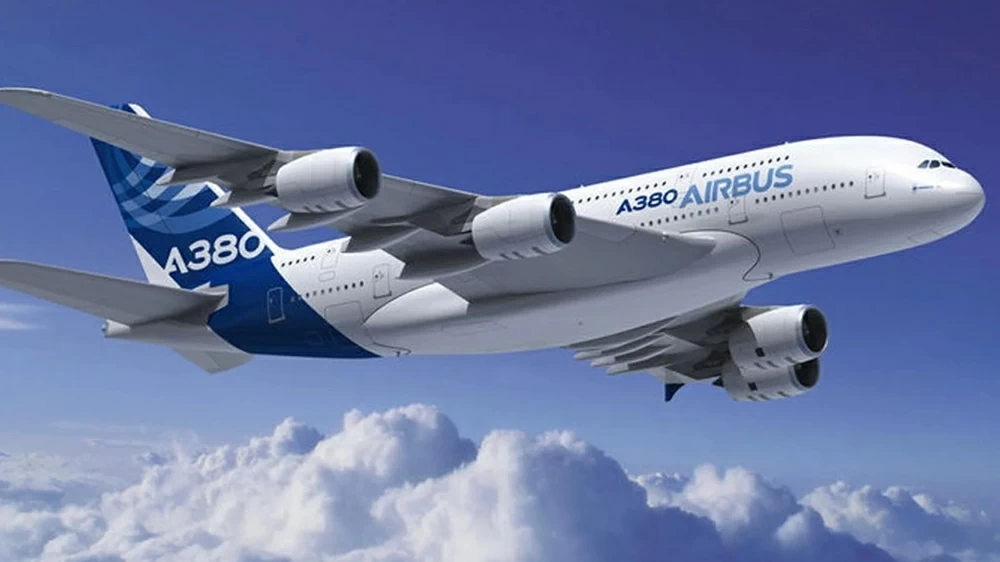
أطلقت شركة إيرباص حملة فحص عاجلة لعدد من طائراتها العملاقة من طراز «إيه 380»، بعد اكتشاف تشققات في أحد المكونات الهيكلية الرئيسية بجناح بعض الطائرات، في خطوة تعكس حجم الاهتمام المتزايد بمعايير السلامة الجوية وحرص الشركة على معالجة أي مخاطر محتملة قبل تفاقمها.
وأعلنت الشركة إخضاع 16 طائرة من هذا الطراز لعمليات تفتيش دقيقة، بينها خمس طائرات ستخضع للفحص بشكل فوري، وذلك عقب رصد تشققات في عارضة هيكلية داخل الجناح خلال أعمال صيانة دورية لطائرات تشغلها شركتا طيران الإمارات وكوانتاس الأسترالية.
وجاء القرار استجابة لتوجيهات أصدرتها الوكالة الأوروبية لسلامة الطيران، والتي طالبت بإجراء عمليات تفتيش عاجلة على الطائرات المعنية للتأكد من سلامة مكونات الجناح وعدم تأثرها بالتشققات المكتشفة.
وتتمثل المشكلة في عارضة هيكلية تمتد على طول الجناح وتتحمل جزءاً أساسياً من الأحمال الهوائية التي تتعرض لها الطائرة أثناء الإقلاع والتحليق والهبوط، ما يجعل سلامتها أمراً بالغ الأهمية للحفاظ على الكفاءة التشغيلية للطائرة.
وبحسب البيانات الصادرة عن إيرباص، فإن 15 طائرة من أصل 16 مشمولة بعمليات الفحص تتبع أسطول طيران الإمارات، فيما تعود الطائرة المتبقية إلى شركة كوانتاس. كما أن الطائرات الخمس التي تقرر إخضاعها للتفتيش الفوري جميعها تابعة لطيران الإمارات، على أن تبدأ إجراءات الفحص خلال أيام قليلة.
من جانبها، أكدت طيران الإمارات أنها ستباشر عمليات التفتيش خلال 48 ساعة بالتنسيق مع إيرباص والجهات التنظيمية المختصة، مشددة على التزامها بتنفيذ جميع الإجراءات المطلوبة قبل إعادة أي طائرة إلى الخدمة، مع العمل على تقليل أي تأثير محتمل على جداول الرحلات.
وتعود جذور القضية إلى ديسمبر 2025، عندما أصدرت الوكالة الأوروبية لسلامة الطيران توجيهات فنية بعد اكتشاف تشققات في إحدى الطائرات، محذرة من أن استمرارها دون معالجة قد يؤثر على سلامة هيكل الجناح على المدى الطويل، وعلى إثر ذلك، أجرت إيرباص مراجعة شاملة للطائرات المصنعة خلال الفترة ذاتها لتحديد الوحدات الأكثر عرضة للمشكلة.
وتعد طائرة «إيرباص إيه 380» أكبر طائرة ركاب تجارية في العالم، وقد دخلت الخدمة لأول مرة عام 2007، واشتهرت بقدرتها على نقل أكثر من 500 راكب في الرحلات التجارية العادية، مع إمكانية استيعاب أعداد أكبر في بعض الترتيبات الخاصة.
ورغم المكانة المميزة التي حققتها الطائرة في قطاع النقل الجوي، أعلنت إيرباص عام 2021 وقف إنتاجها بسبب تراجع الطلب العالمي على الطائرات العملاقة ذات الطابقين، واتجاه شركات الطيران نحو الطائرات الأقل استهلاكاً للوقود والأكثر مرونة في التشغيل.
Airbus has launched an urgent inspection campaign for a number of its giant A380 aircraft after cracks were discovered in one of the main structural components of the wings of some planes, in a move that reflects the growing concern for aviation safety standards and the company's commitment to addressing any potential risks before they escalate.
The company announced that 16 aircraft of this model will undergo thorough inspections, including five planes that will be inspected immediately, following the detection of cracks in a structural beam within the wing during routine maintenance of aircraft operated by Emirates and Australian airline Qantas.
The decision came in response to directives issued by the European Union Aviation Safety Agency, which called for urgent inspections of the affected aircraft to ensure the safety of the wing components and that they have not been affected by the discovered cracks.
The issue lies in a structural beam that extends along the wing and bears a crucial part of the aerodynamic loads that the aircraft experiences during takeoff, flight, and landing, making its safety extremely important for maintaining the operational efficiency of the aircraft.
According to data released by Airbus, 15 out of the 16 aircraft subject to inspection belong to the Emirates fleet, while the remaining aircraft is owned by Qantas. Additionally, all five planes that have been decided for immediate inspection are part of Emirates, with inspection procedures set to begin within a few days.
For its part, Emirates confirmed that it will commence inspection operations within 48 hours in coordination with Airbus and the relevant regulatory authorities, emphasizing its commitment to implementing all necessary procedures before returning any aircraft to service, while working to minimize any potential impact on flight schedules.
The roots of the issue date back to December 2025, when the European Union Aviation Safety Agency issued technical directives after cracks were discovered in one of the aircraft, warning that their continuation without addressing could affect the long-term safety of the wing structure. Following this, Airbus conducted a comprehensive review of the aircraft manufactured during that period to identify the units most susceptible to the problem.
The Airbus A380 is the largest commercial passenger aircraft in the world, having entered service for the first time in 2007, and is renowned for its ability to carry more than 500 passengers on regular commercial flights, with the capacity to accommodate even larger numbers in certain special configurations.
Despite the prominent position the aircraft has achieved in the air transport sector, Airbus announced in 2021 that it would cease production due to a decline in global demand for giant double-decker aircraft and the trend of airlines towards more fuel-efficient and operationally flexible aircraft.