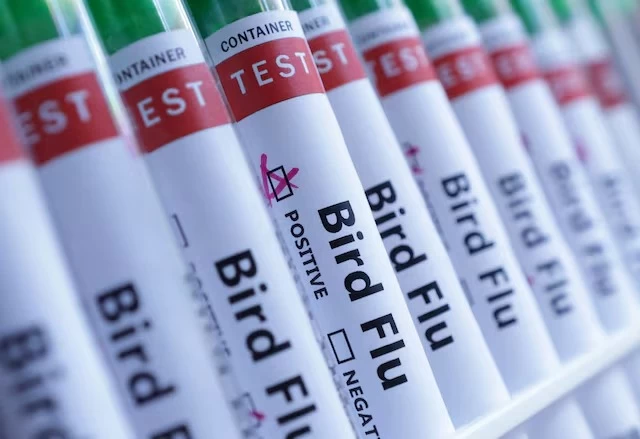
رفعت أستراليا مستوى التأهب لمواجهة أنفلونزا الطيور بعد تسجيل ثاني إصابة مؤكدة بسلالة H5N1 شديدة العدوى إذ عززت السلطات إجراءات الأمن الحيوي واتخذت شركات الدواجن تدابير احترازية لمنع انتقال الفيروس إلى المزارع التجارية.
وأعلنت السلطات الأسترالية، اليوم (الإثنين)، تسجيل ثاني حالة إصابة مؤكدة بسلالة H5N1 في ولاية أستراليا الغربية، بعد يوم من الإعلان عن أول حالة. تعهدت الحكومة باتخاذ إجراءات صارمة لمنع انتشار الفيروس ووصوله إلى أنظمة الإنتاج التجاري للدواجن.
وقالت وزيرة الزراعة الأسترالية جولي كولينز إن طائراً بحرياً مهاجراً من نوع «النوء العملاق الشمالي» عُثر عليه مريضاً على شاطئ ناءٍ في الولاية، وأكدت الفحوصات إصابته بالفايروس.
وتأتي هذه الحالة بعد اكتشاف إصابة لطائر آخر من نوع «البني سكوا» خلال عطلة نهاية الأسبوع.
وأوضحت السلطات أن الطائرين عُثر عليهما بالقرب من بلدة إسبيرانس الساحلية، الواقعة على بعد نحو 570 كيلومتراً جنوب شرقي مدينة بيرث، عاصمة ولاية أستراليا الغربية.
وأكدت كولينز أن الحكومة تعمل مع قطاعات إنتاج الدجاج واللحوم والبيض لتعزيز تدابير الأمن الحيوي ومنع انتقال الفيروس إلى مزارع الدواجن التجارية.
وقالت الوزيرة: «نعمل مع مختلف الجهات المعنية على تحسين أنظمة وإجراءات الأمن الحيوي واتخاذ كل ما يمكن من خطوات لمنع وصول الفايروس إلى أنظمة الإنتاج».
ورغم أن الإصابات البشرية بفايروس أنفلونزا الطيور ما تزال نادرة، فإن الانتشار العالمي للمرض تسبب خلال السنوات الأخيرة في نفوق أعداد كبيرة من الطيور والدواجن، وأدى إلى اضطرابات في سلاسل الإمداد الغذائية وارتفاع أسعار العديد من المنتجات الغذائية.
وكانت أستراليا حتى وقت قريب القارة الوحيدة التي لم تسجل أي إصابة مؤكدة بالفايروس على أراضيها الرئيسية، رغم رصد الفيروس أواخر عام 2025 في جزيرة هيرد الواقعة ضمن الأقاليم الأسترالية شبه القطبية الجنوبية.
وفي إطار جهودها لمواجهة المرض، شددت السلطات الأسترالية إجراءات الأمن الحيوي في المزارع، ووسعت نطاق مراقبة وفحص الطيور الساحلية والمهاجرة، كما نفذت برامج لتطعيم الأنواع الحيوانية الأكثر عرضة للخطر وأجرت تدريبات ومحاكاة للاستجابة السريعة لأي تفشٍ محتمل.
من جانبها، أعلنت شركة «إنغهامز»، إحدى أكبر شركات إنتاج الدواجن في أستراليا، فرض إغلاق احترازي كامل في جميع مزارعها ومنشآت المعالجة التابعة لها في ولاية أستراليا الغربية.
وأكدت الشركة في بيان أنه لم يتم حتى الآن رصد أي إصابة بالفايروس داخل قطاع الدواجن التجاري، بما في ذلك عملياتها وسلسلة التوريد المرتبطة بها، مشيرة إلى أن الإجراءات المتخذة تأتي في إطار التدابير الوقائية الرامية إلى حماية الإنتاج المحلي من أي مخاطر محتملة.
Australia has raised its alert level to combat avian influenza after recording the second confirmed case of the highly contagious H5N1 strain, as authorities enhanced biosecurity measures and poultry companies took precautionary steps to prevent the virus from spreading to commercial farms.
Australian authorities announced today (Monday) the confirmation of a second case of the H5N1 strain in Western Australia, just a day after announcing the first case. The government has pledged to take strict measures to prevent the virus from spreading and reaching commercial poultry production systems.
Australian Agriculture Minister Julie Collins stated that a migratory seabird of the "northern giant petrel" species was found sick on a remote beach in the state, and tests confirmed it was infected with the virus.
This case follows the discovery of another infected bird of the "brown skua" species over the weekend.
Authorities clarified that both birds were found near the coastal town of Esperance, located about 570 kilometers southeast of Perth, the capital of Western Australia.
Collins confirmed that the government is working with the poultry, meat, and egg production sectors to enhance biosecurity measures and prevent the virus from reaching commercial poultry farms.
The minister stated, "We are working with various stakeholders to improve biosecurity systems and procedures and to take all possible steps to prevent the virus from reaching production systems."
Although human infections with the avian influenza virus remain rare, the global spread of the disease has caused the deaths of large numbers of birds and poultry in recent years, leading to disruptions in food supply chains and rising prices for many food products.
Until recently, Australia was the only continent that had not recorded any confirmed cases of the virus on its mainlands, despite the virus being detected in late 2025 on Heard Island, which is part of Australia's sub-Antarctic territories.
As part of its efforts to combat the disease, Australian authorities have tightened biosecurity measures on farms, expanded monitoring and testing of coastal and migratory birds, and implemented vaccination programs for the most at-risk animal species, as well as conducting training and simulations for rapid response to any potential outbreaks.
For its part, Inghams, one of the largest poultry production companies in Australia, announced a complete precautionary lockdown at all its farms and processing facilities in Western Australia.
The company confirmed in a statement that no infections with the virus have been detected so far within the commercial poultry sector, including its operations and the associated supply chain, noting that the measures taken are part of preventive actions aimed at protecting local production from any potential risks.