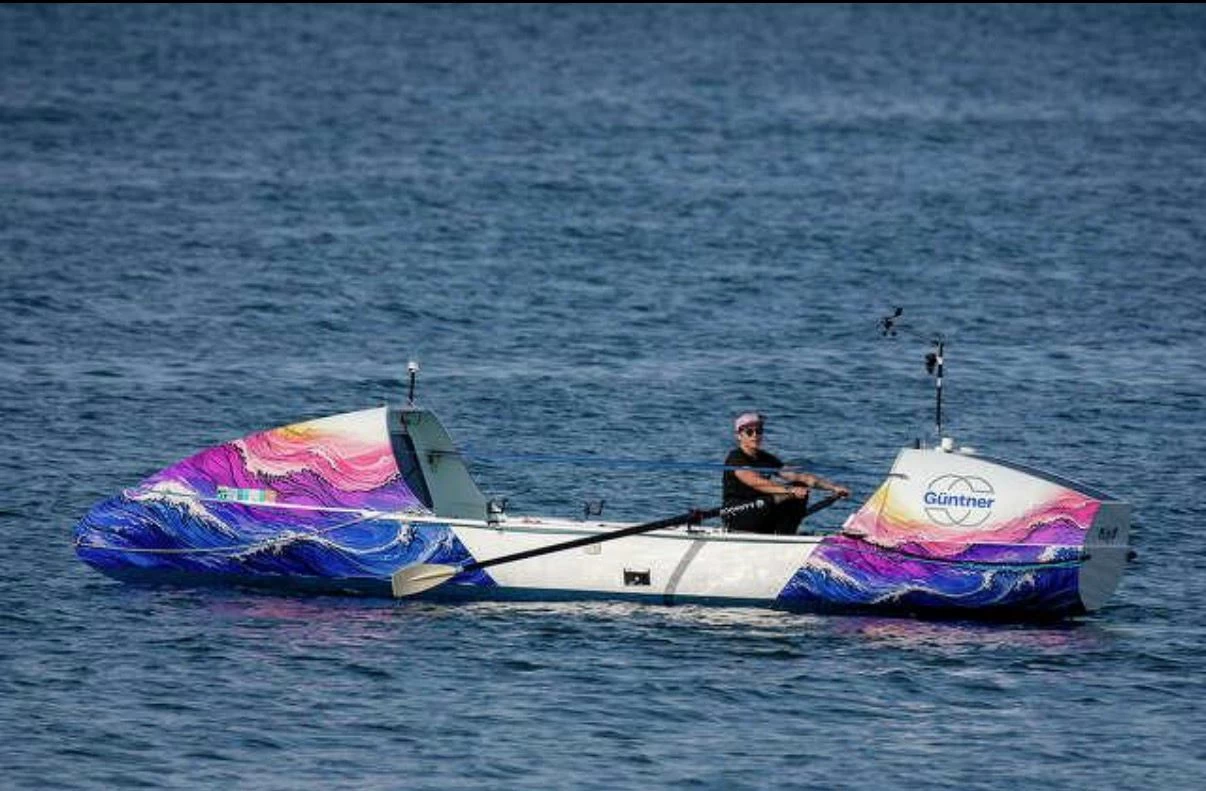
تصدرت المجدفة الأمريكية كيلسي بفيندلير منصات التواصل الاجتماعي خلال الأيام الماضية، بعد الانتشار الواسع لمقاطع الفيديو التي توثق رحلتها لعبور المحيط الهادئ بمفردها ودون أي مساعدة خارجية.
وانطلقت كيلسي (31 عاماً)، وهي مرشدة تجديف محترفة ومسعفة طوارئ، في 21 مايو الماضي من مدينة مونتيري بولاية كاليفورنيا على متن قاربها الصغير «Lily» البالغ طوله 24 قدماً، مستهدفة الوصول إلى هونولولو في هاواي بعد قطع أكثر من 3800 كيلومتر عبر المحيط الهادئ. وتسعى لأن تصبح أول امرأة أمريكية، وثالث امرأة في التاريخ، تنجح في إكمال هذا المسار البحري منفردة.
مدة الرحلة المتوقعة
تستهدف كيلسي إكمال رحلتها خلال أقل من 86 يوماً و10 ساعات، وهو الرقم القياسي الحالي لهذا المسار البحري. وبناءً على موعد انطلاقها في 21 مايو، من المتوقع أن تستغرق الرحلة نحو 3 أشهر، بحسب الظروف الجوية والبحرية التي تواجهها في عرض المحيط.
رحلة نحو هاواي
حظيت الرحلة بمتابعة واسعة عبر حسابهاعلى منصة تيك توك، إذ تنشر بشكل مستمر مقاطع مصورة توثق تفاصيل الحياة اليومية في عرض المحيط، والتحديات التي تواجهها خلال رحلتها الطويلة نحو هاواي.
حياة داخل كبسولة صغيرة
تقضي كيلسي رحلتها على متن قارب صغير مزود بكبسولة مغلقة تستخدمها للنوم والاحتماء من الأمواج والطقس المتقلب. وتعتمد على أغذية ومؤن تكفيها طوال الرحلة، إلى جانب جهاز لتحلية مياه البحر لتوفير احتياجاتها اليومية من المياه. وبين ساعات التجديف الطويلة، تخصص وقتاً للراحة ومتابعة أجهزة الملاحة والتواصل مع متابعيها عبر مقاطع الفيديو التي توثق تفاصيل حياتها في عرض المحيط.
تحديات بحرية متواصلة
كشفت كيلسي في مقاطعها الأخيرة صعوبات ملاحية واجهتها أثناء عبور منطقة «الرصيف القاري»، إذ اصطدمت بتيارات بحرية قوية ورياح معاكسة تسببت في تراجع القارب خلال فترات نومها. كما تحدثت عن معاناتها من البثور والتورم في اليدين نتيجة ساعات التجديف الطويلة والمتواصلة.
تفادي مخاطر الملاحة
ومن بين التحديات اليومية التي تواجهها، عبور الممرات الملاحية المزدحمة بسفن الشحن التجارية. وأظهرت مقاطع مصورة تواصلها عبر أجهزة اللاسلكي مع عدد من السفن العملاقة للتأكد من رصد قاربها الصغير على أنظمة الملاحة والرادار، وتجنب أي مخاطر محتملة، خصوصاً خلال ساعات الليل.
وتواصل المجدفة الأمريكية رحلتها وسط متابعة جماهيرية واسعة على منصات التواصل، مع ترقب مستمر لتطورات محاولتها عبور المحيط الهادئ والوصول إلى هاواي دون أي دعم خارجي.
The American rower Kelsey Behnke has taken social media by storm in recent days, following the widespread sharing of videos documenting her journey to cross the Pacific Ocean solo and without any external assistance.
Kelsey (31 years old), a professional rowing guide and emergency medic, set off on May 21 from Monterey, California, aboard her small 24-foot boat "Lily," aiming to reach Honolulu in Hawaii after covering more than 3,800 kilometers across the Pacific Ocean. She seeks to become the first American woman and the third woman in history to successfully complete this maritime route solo.
Expected Duration of the Journey
Kelsey aims to complete her journey in less than 86 days and 10 hours, which is the current record for this maritime route. Based on her departure date of May 21, the journey is expected to take about 3 months, depending on the weather and sea conditions she faces in the open ocean.
Journey to Hawaii
The journey has garnered widespread attention through her TikTok account, where she continuously shares video clips documenting the details of daily life at sea and the challenges she faces during her long trek to Hawaii.
Life Inside a Small Capsule
Kelsey spends her journey aboard a small boat equipped with a closed capsule that she uses for sleeping and sheltering from the waves and unpredictable weather. She relies on food and supplies that will last her throughout the journey, along with a desalination device to meet her daily water needs. Between long hours of rowing, she sets aside time to rest and monitor navigation devices while communicating with her followers through videos that document her life at sea.
Ongoing Maritime Challenges
Kelsey revealed in her recent clips the navigational difficulties she faced while crossing the "continental shelf" area, as she encountered strong currents and opposing winds that caused her boat to drift during her sleeping periods. She also spoke about suffering from blisters and swelling in her hands due to the long and continuous hours of rowing.
Avoiding Navigation Hazards
Among the daily challenges she faces is crossing busy shipping lanes filled with commercial vessels. Video clips showed her communicating via radio with several large ships to ensure her small boat is detected on navigation systems and radar, avoiding any potential hazards, especially during nighttime.
The American rower continues her journey amid widespread public attention on social media, with ongoing anticipation for updates on her attempt to cross the Pacific Ocean and reach Hawaii without any external support.