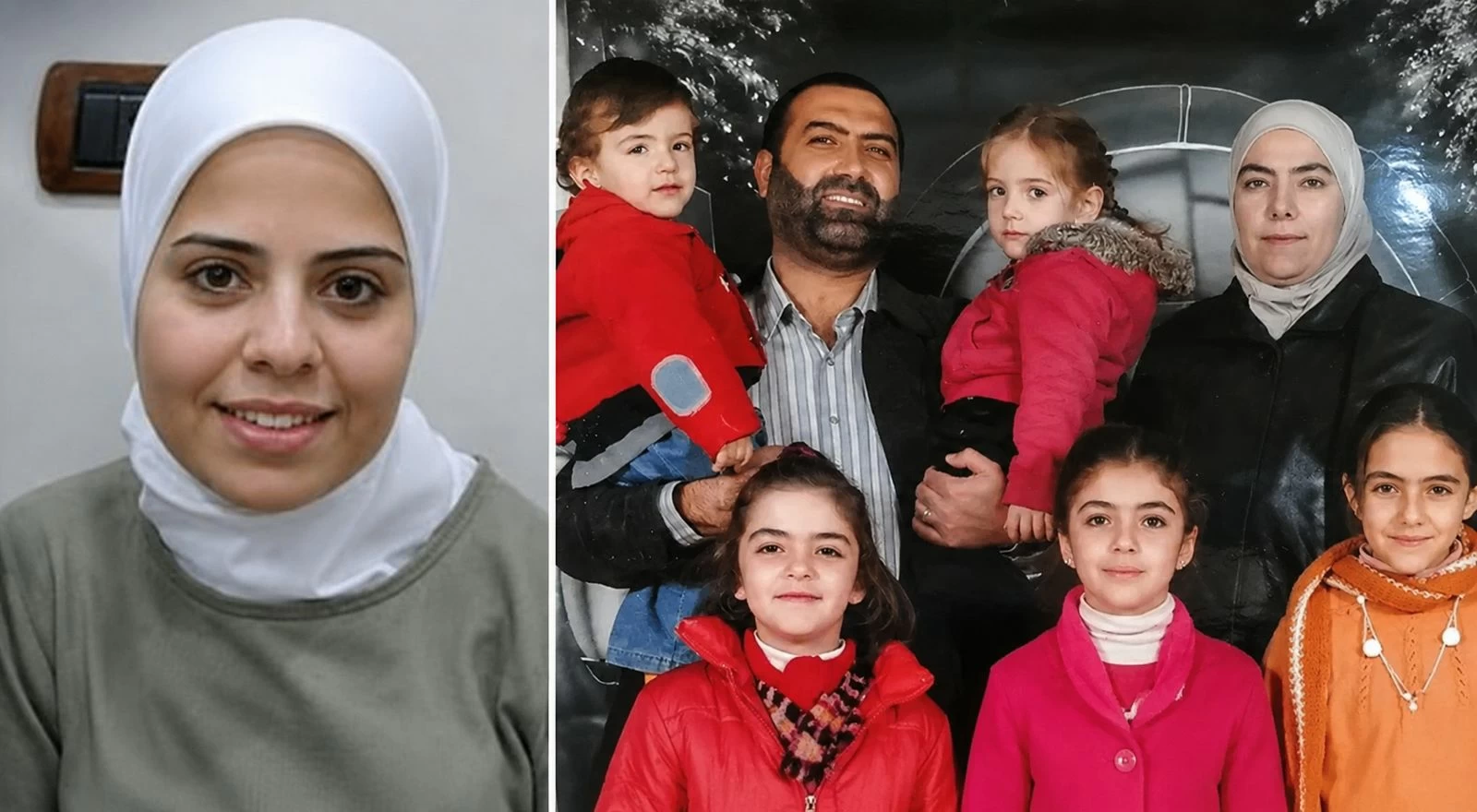
عادت قضية الشابة السورية مجدولين القاضي إلى دائرة الاهتمام مجدداً، بعد أكثر من 13 عاماً على اختفائها داخل معتقلات النظام السوري السابق، في واحدة من أكثر قضايا الاختفاء القسري غموضاً وإثارة للتساؤلات حول مصير آلاف المفقودين خلال سنوات الحرب.
ومنذ مارس 2013، انقطعت أخبار مجدولين بشكل كامل عقب اعتقالها مع الطبيبة السورية رانيا العباسي على يد عناصر الأمن العسكري في عهد الرئيس المخلوع بشار الأسد، لتتحول قصتها إلى ملف مفتوح لم تُعرف نهايته حتى اليوم.
مقتل رانيا العباسي وعائلتها
وكانت وزارة الداخلية السورية قد كشفت أن التحقيقات توصلت إلى أدلة ومعلومات تؤكد مقتل الطبيبة رانيا العباسي وزوجها وأطفالها الستة على يد «مجموعات ومليشيات تابعة للنظام البائد»، استناداً إلى إفادات عدد من الموقوفين المرتبطين بالقضية.
لكن هذا الإعلان، الذي كشف مقتل طبيبةِ الأسنان وبطلةِ سوريا في الشطرنج؛ الدكتورة رانيا العبّاسي وزوجِها عبد الرحمن ياسين، وبناتِهما الخمس، وولدِهما الوحيد، أبقى باب التساؤلات مفتوحاً بشأن مصير سكرتيرتها ومساعدتها مجدولين القاضي التي كانت برفقتها لحظة اعتقالها.
ووفقاً لوسائل إعلام سورية، لم يظهر اسم مجدولين سوى في سجل أمني محدود لدى المخابرات الجوية، دون أي معلومات حول مكان احتجازها أو وضعها القانوني أو مصيرها النهائي.
من سكرتيرة عيادة إلى مفقودة بلا أثر
عملت مجدولين سكرتيرة ومساعدة للطبيبة رانيا العباسي، وكانت من أقرب العاملين معها مهنياً، قبل أن تجد نفسها في قلب واحدة من أبرز قضايا الاختفاء القسري في سورية.
وخلال السنوات الماضية بقي مصيرها مجهولاً، لتضاف إلى قائمة طويلة من السوريين الذين اختفت آثارهم داخل مراكز الاحتجاز والسجون الأمنية دون أي معلومات رسمية أو إجابات حاسمة.
رحلة بحث انتهت إلى الصمت
عاشت أسرة مجدولين سنوات طويلة من الانتظار والبحث عن أي خيط يقود إلى معرفة مصيرها، لكن جميع المحاولات باءت بالفشل.
ونقلت مصادر إعلامية عن أفراد من عائلتها أن مجدولين من سكان مشروع دمر في دمشق، ومن مواليد عام 1986، درست في معهد إعداد المدرسين وعملت في روضة أطفال قبل انتقالها للعمل سكرتيرة في عيادة الدكتورة رانيا العباسي.
وأضافت المصادر أن أحد أقاربها، وهو عضو سابق في مجلس الشعب، حاول التواصل مع بشار الأسد لمعرفة مصيرها، إلا أن تلك المساعي لم تثمر عن أي نتيجة.
وفاة الأم حزناً
ومع مرور السنوات وتبدد الآمال في العثور عليها، تلقت العائلة ضربة أخرى بوفاة والدتها التي عانت من المرض بعد اعتقال ابنتها.
وبحسب المصادر، أصيبت والدة مجدولين بالسرطان بعد عام واحد من اختفاء ابنتها، وخضعت لعملية جراحية لاستئصال كتلة مرضية، قبل أن تتوفى عام 2018 وهي تحمل حسرة الفقد، دون أن تتمكن من رؤية ابنتها أو معرفة مصيرها.
«لم تكن ناشطة سياسية»
من جانبه، أكد حسان العباسي، شقيق الطبيبة رانيا العباسي، أن مجدولين «لم تكن لها أي علاقة بأي نشاط سياسي، وكانت تعمل فقط مساعدة في العيادة»، معتبراً أن اختفاءها يعكس حجم الغموض الذي ما زال يلف ملفات الاعتقال والاختفاء القسري في سورية.
ومع إعادة فتح ملفات المفقودين بعد سقوط النظام السابق، تتجدد المطالبات بكشف مصير مجدولين القاضي وآلاف السوريين الذين اختفوا داخل السجون ومراكز الاحتجاز، فيما لا تزال عائلاتهم تنتظر إجابات طال انتظارها.
The case of the young Syrian woman Majdoleen Al-Qadi has returned to the spotlight once again, more than 13 years after her disappearance inside the detention centers of the former Syrian regime, in one of the most mysterious cases of enforced disappearance that raises questions about the fate of thousands of missing persons during the years of war.
Since March 2013, there has been no news of Majdoleen following her arrest along with Syrian doctor Rania Al-Abbasi by military security forces during the era of the ousted president Bashar Al-Assad, turning her story into an open file whose ending remains unknown to this day.
The killing of Rania Al-Abbasi and her family
The Syrian Ministry of Interior revealed that investigations have led to evidence and information confirming the killing of Dr. Rania Al-Abbasi, her husband, and their six children by "groups and militias affiliated with the fallen regime," based on testimonies from several detainees linked to the case.
However, this announcement, which revealed the killing of the dentist and champion of Syria in chess, Dr. Rania Al-Abbasi, her husband Abdul Rahman Yassin, their five daughters, and their only son, kept the door of questions open regarding the fate of her secretary and assistant Majdoleen Al-Qadi, who was with her at the moment of her arrest.
According to Syrian media, Majdoleen's name only appeared in a limited security record with the air intelligence, with no information about her place of detention, legal status, or final fate.
From clinic secretary to missing without a trace
Majdoleen worked as a secretary and assistant to Dr. Rania Al-Abbasi and was one of her closest professional associates before finding herself at the heart of one of the most prominent cases of enforced disappearance in Syria.
Over the past years, her fate has remained unknown, adding her to a long list of Syrians whose traces have disappeared inside detention centers and security prisons without any official information or conclusive answers.
A search journey that ended in silence
Majdoleen's family lived for many years in waiting and searching for any clue that could lead to knowing her fate, but all attempts ended in failure.
Media sources reported that family members stated that Majdoleen was a resident of the Dummar project in Damascus, born in 1986, studied at a teacher preparation institute, and worked in a kindergarten before moving to work as a secretary in Dr. Rania Al-Abbasi's clinic.
The sources added that one of her relatives, a former member of the People's Assembly, attempted to contact Bashar Al-Assad to inquire about her fate, but those efforts did not yield any results.
The mother’s death from grief
As the years passed and hopes of finding her faded, the family received another blow with the death of her mother, who suffered from illness after her daughter's arrest.
According to the sources, Majdoleen's mother was diagnosed with cancer a year after her daughter's disappearance and underwent surgery to remove a tumor, before passing away in 2018, carrying the sorrow of loss, without being able to see her daughter or know her fate.
“She was not a political activist”
For his part, Hassan Al-Abbasi, brother of Dr. Rania Al-Abbasi, confirmed that Majdoleen “had no connection to any political activity and was only working as an assistant in the clinic,” considering that her disappearance reflects the extent of the ambiguity that still surrounds the files of arrest and enforced disappearance in Syria.
With the reopening of missing persons files after the fall of the previous regime, demands are renewed to uncover the fate of Majdoleen Al-Qadi and thousands of Syrians who disappeared inside prisons and detention centers, while their families continue to wait for long-awaited answers.