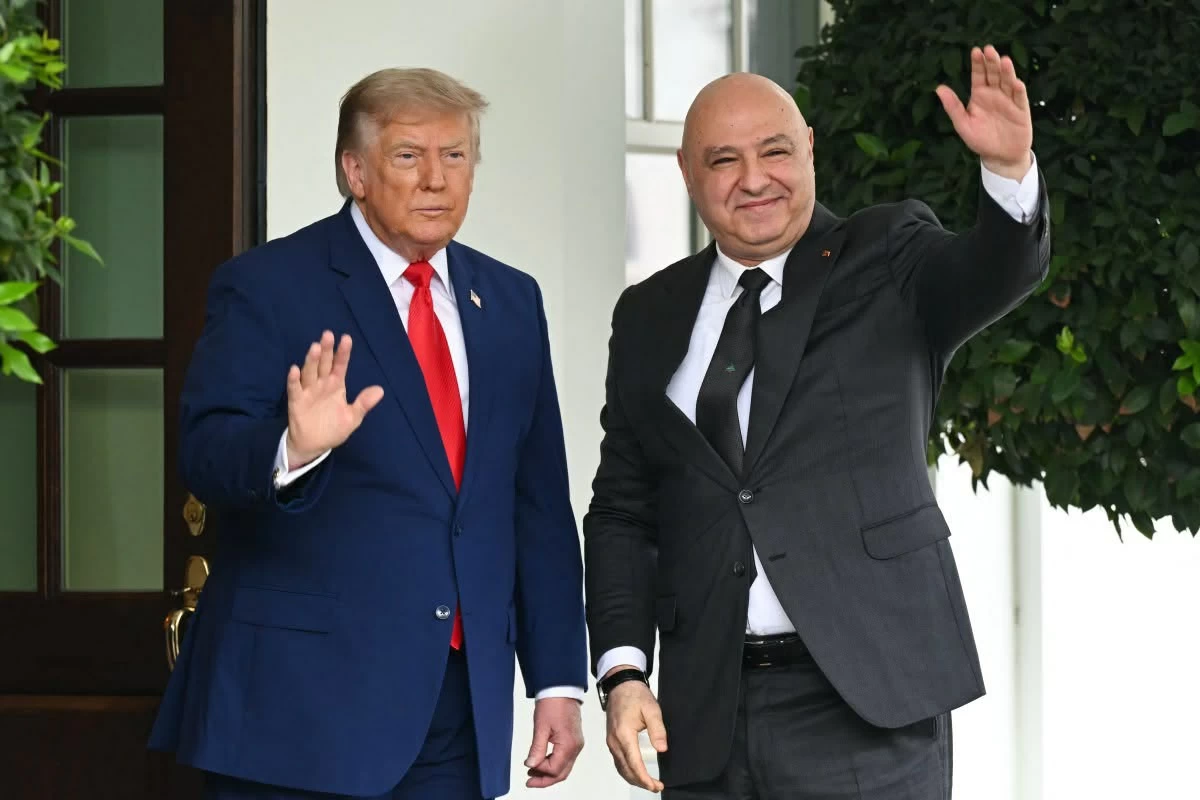
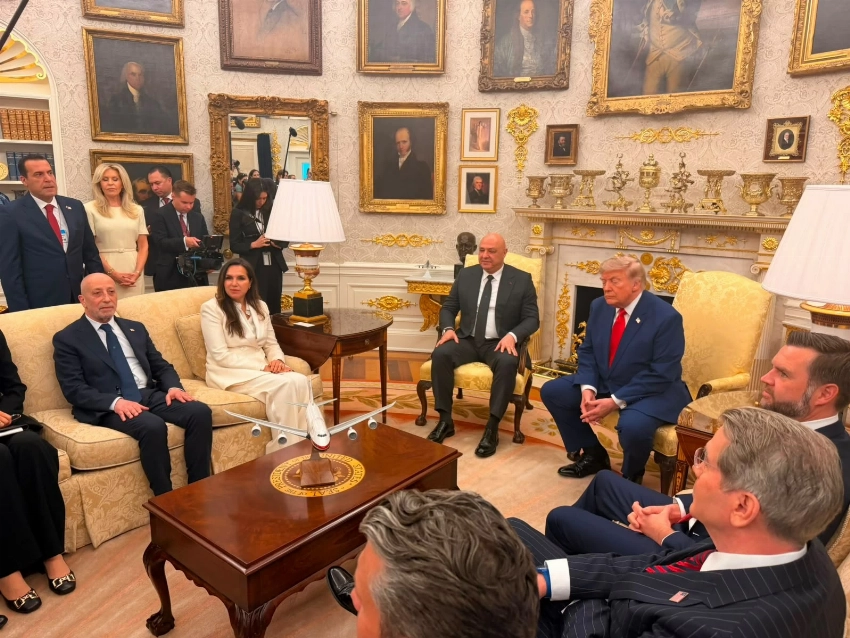
في حدث سياسي ودبلوماسي بارز يعد الأول من نوعه لرئيس لبناني إلى البيت الأبيض منذ نحو 17 عاماً، استقبل الرئيس الأمريكي دونالد ترمب الرئيس اللبناني جوزيف عون، إذ استهل اللقاء بدردشة مع الصحفيين تناول خلالها ملفات سياسية وأمنية مفصلية، من بينها التوصل إلى «صيغة الإطار» لإنهاء حالة العداء مع إسرائيل، وآليات دعم الجيش اللبناني، ومستقبل الجنوب، إلى جانب ملفات إقليمية ساخنة تشمل النفوذ الإيراني، وتحركات الحوثيين، ومستقبل «اتفاقات أبراهام».
ترحيب استثنائي وإشادة بالطاقات اللبنانية
في بداية اللقاء، رحب ترمب بنظيره اللبناني، واصفاً إياه بأنه شخصية «تحظى باحترام كبير في بلاده وخارجها»، ومشيراً إلى أن التواصل بينهما سبق أن تم عبر ممثلين في مناسبات عدة، وأن العلاقة بينهما «جيدة جداً».
وفي لفتة شخصية تعكس اهتمام الإدارة الأمريكية بلبنان، قال ترمب إن لديه أقارب وأصدقاء يعيشون في لبنان، من بينهم مستشاره توم باراك، مؤكداً أنهم رغم أصوات القصف المتواصل يرفضون المغادرة تحت أي ظرف حبّاً لبلادهم، ومجدداً أفكاره بأن «اللبنانيين أذكياء وناجحون للغاية». وتعهّد ترمب بتقديم مساعدة محورية للبنان، قائلاً: «سنساعده، وسنساعده كثيراً... وسنعمل على أن يُعامل بالشكل المناسب وبالاحترام الذي يستحقه».
ملف «حزب الله» ودعم المؤسسة العسكرية
وعن الواقع الأمني، أشار ترمب إلى أن إدارته نجحت في معالجة بعض المشكلات المرتبطة بلبنان، لافتاً إلى موضوع «حزب الله»، ومؤكداً اتخاذ خطوات قال إن «العالم سيلحظ نتائجها»، وذلك في سياق تعزيز سلطة المؤسسات الرسمية ودعم الدولة. وأضاف أن «حزب الله» ألحق الضرر بلبنان، مبدياً استعداداً مشروطاً للتواصل المباشر مع الحزب إذا طلب الرئيس عون ذلك رسمياً.
وفيما يتصل بالوضع الميداني في الجنوب، كشف ترمب وجود خطط ملموسة تعدها واشنطن بالتعاون مع أطراف أخرى لمساعدة الجيش اللبناني على التمدد والتسلم في القرى التي انسحب منها «حزب الله»، مؤكداً أن تمكين الجيش ليكون قادراً على الاعتماد على نفسه يُعد محوراً أساسياً في المحادثات.
عون في البيت الأبيض
ورداً على سؤال بشأن التطورات الميدانية الأخيرة وتعرّض عناصر من الجيش اللبناني لإطلاق نار من القوات الإسرائيلية في اليوم الثاني لتطبيق الترتيبات الأمنية التجريبية، أوضح ترمب أنه أُبلغ بالحادثة فور وصوله للمؤتمر، مؤكداً أن واشنطن ستدرس الملابسات وستُتابع ملف «المنطقة الآمنة» وتنسيق الانسحاب الإسرائيلي.
من جهته، توجه الرئيس جوزيف عون بالشكر للرئيس ترمب وفريقه على «الزيارة التاريخية والإنجاز التاريخي» الذي تحقق عبر توقيع «صيغة الإطار»، مؤكداً أن الغاية النهائية لهذه الصيغة هي «إنهاء حالة العداء بين لبنان وإسرائيل إلى الأبد»، ومشدداً على أن هذا الإنجاز سيكون جزءاً رئيسياً من إرث ترمب السياسي.
وأكد عون تقاطع رؤيته مع رؤية ترمب القائمة على تحقيق السلام والاستقرار للشرق الأوسط، مشدداً على أن «الوقت قد حان لكي ينعم لبنان والمنطقة بالأمن»، وهو ما أيده ترمب بالإشادة بـ«الروح العظيمة» للشعب اللبناني.
ورداً على موقف رئيس مجلس النواب نبيه بري الرافض للاتفاق خشية الفتنة، أوضح الرئيس عون حقيقة الصلاحيات الدستورية جازماً بأن «صيغة الإطار لا تحتاج إلى موافقة البرلمان، بل هي جزء من صلاحيات رئيس الجمهورية الدستورية ونحن ملتزمون بها».
ودافع عون عن موقف بري، موضحاً أنه «رجل دولة ويريد فعلياً رؤية نهاية لهذه الحرب والدفع لإعادة إعمار الجنوب الذي يُدمّر أمام عينيه»، لكنه أشار إلى ضرورة تفهُّم حساسية موقعه رئيساً للمجلس وأحد أبرز قادة الطائفة الشيعية، وهو الموقف الذي لاقى تفهماً من ترمب الذي أثنى بدوره على بري متوقعاً انضمامه إلى هذا المسار عند لمس النتائج الإيجابية.
اتفاقات أبراهام، الحوثيون، وإيران
وعلى الصعيد الإقليمي، أشاد ترمب بـ «النجاح الهائل» لـ «اتفاقات أبراهام»، متوقعاً انضمام دول جديدة إليها ومتحدثاً عن المحورية الاقتصادية التي حققتها الدول الموقعة.
وفي ملف البحر الأحمر، علّق ترمب على احتمالات فتح الحوثيين جبهة جديدة بحرية، مؤكداً جاهزية واشنطن للتعامل مع أي حصار، ومذكراً بالضربات القوية التي وجهتها الولايات المتحدة لهم سابقاً واستمرت 45 يوماً.
أما في الشأن الإيراني، فقد أكد ترمب أن الضغوط العسكرية والاقتصادية الممارسة على طهران نجحت في تقويض قدراتها إلى حدٍّ كبير، كاشفاً وجود اتصالات خلف الكواليس ورغبة إيرانية في التفاوض.
In a prominent political and diplomatic event, the first of its kind for a Lebanese president at the White House in nearly 17 years, U.S. President Donald Trump welcomed Lebanese President Joseph Aoun. The meeting began with a chat with journalists, during which they discussed pivotal political and security issues, including reaching a "framework agreement" to end hostilities with Israel, mechanisms to support the Lebanese army, the future of the south, along with hot regional issues including Iranian influence, Houthi movements, and the future of the "Abraham Accords."
Exceptional welcome and praise for Lebanese capabilities
At the beginning of the meeting, Trump welcomed his Lebanese counterpart, describing him as a figure "held in great respect in his country and abroad," noting that their communication had previously occurred through representatives on several occasions, and that their relationship is "very good."
In a personal gesture reflecting the U.S. administration's interest in Lebanon, Trump mentioned that he has relatives and friends living in Lebanon, including his advisor Tom Barrack, emphasizing that despite the sounds of ongoing shelling, they refuse to leave under any circumstances out of love for their country, reiterating his thoughts that "Lebanese people are very smart and successful." Trump pledged to provide pivotal assistance to Lebanon, stating, "We will help it, and we will help it a lot... and we will work to ensure it is treated appropriately and with the respect it deserves."
The "Hezbollah" file and support for the military institution
Regarding the security situation, Trump indicated that his administration has succeeded in addressing some issues related to Lebanon, pointing to the topic of "Hezbollah," and confirming that steps have been taken that he said "the world will notice the results of," in the context of strengthening the authority of official institutions and supporting the state. He added that "Hezbollah" has harmed Lebanon, expressing a conditional willingness to communicate directly with the party if President Aoun requests that officially.
Concerning the field situation in the south, Trump revealed that Washington is preparing concrete plans in cooperation with other parties to assist the Lebanese army in expanding and taking over the villages from which "Hezbollah" has withdrawn, confirming that empowering the army to be able to rely on itself is a fundamental focus of the discussions.
عون في البيت الأبيض
In response to a question about recent field developments and the exposure of Lebanese army personnel to gunfire from Israeli forces on the second day of implementing the trial security arrangements, Trump clarified that he was informed of the incident upon his arrival at the conference, confirming that Washington will study the circumstances and will follow up on the "safe zone" file and the coordination of the Israeli withdrawal.
Aoun: "The framework agreement" is a historic achievement and an alternative constitutional authority for the council
For his part, President Joseph Aoun thanked President Trump and his team for the "historic visit and historic achievement" that was realized through the signing of the "framework agreement," emphasizing that the ultimate goal of this framework is to "end the state of hostility between Lebanon and Israel forever," stressing that this achievement will be a major part of Trump's political legacy.
Aoun confirmed that his vision aligns with Trump's vision based on achieving peace and stability for the Middle East, emphasizing that "the time has come for Lebanon and the region to enjoy security," which Trump supported by praising the "great spirit" of the Lebanese people.
In response to the position of Speaker of the House Nabih Berri, who rejected the agreement for fear of strife, President Aoun clarified the reality of constitutional powers, asserting that "the framework agreement does not require parliamentary approval, but is part of the constitutional powers of the President of the Republic, and we are committed to it."
Aoun defended Berri's position, explaining that he is "a statesman who genuinely wants to see an end to this war and push for the reconstruction of the south that is being destroyed before his eyes," but he pointed out the need to understand the sensitivity of his position as the Speaker of the Council and one of the prominent leaders of the Shiite community, a position that Trump understood, praising Berri and anticipating his joining this path upon witnessing positive results.
Abraham Accords, Houthis, and Iran
Regionally, Trump praised the "tremendous success" of the "Abraham Accords," expecting new countries to join and speaking about the economic centrality achieved by the signing countries.
Regarding the Red Sea file, Trump commented on the possibilities of the Houthis opening a new maritime front, confirming Washington's readiness to deal with any blockade, reminding of the strong strikes the United States previously directed at them that lasted 45 days.
As for the Iranian issue, Trump confirmed that the military and economic pressures exerted on Tehran have significantly undermined its capabilities, revealing that there are behind-the-scenes communications and an Iranian desire to negotiate.