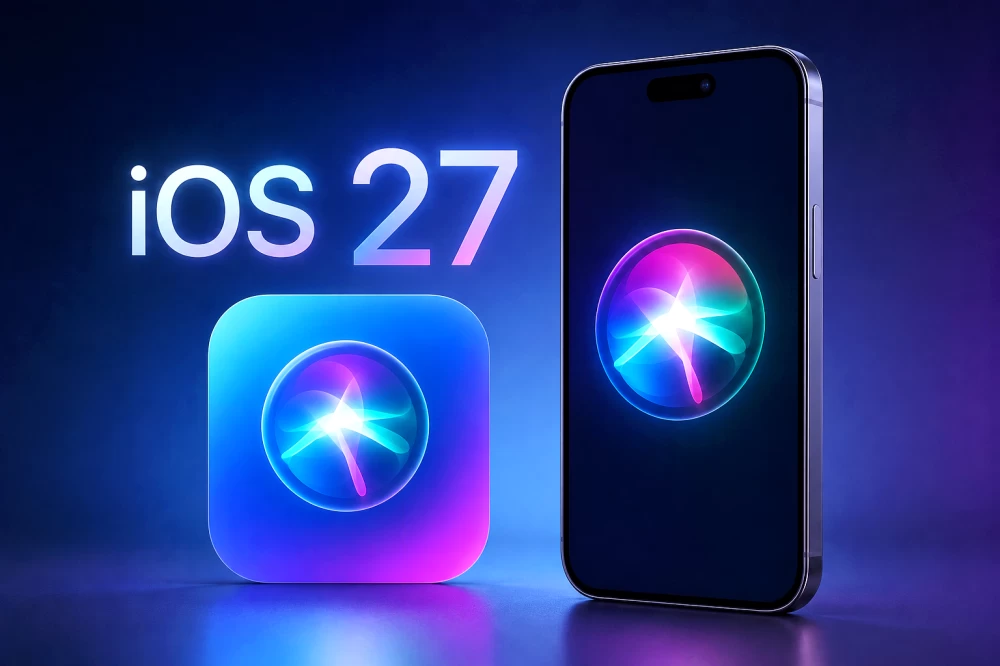
تتجه شركة «أبل» إلى تعزيز حضورها في سباق الذكاء الاصطناعي عبر التركيز على الخصوصية، من خلال استعدادها لإطلاق تطبيق مستقل للمساعد الشخصي «سيري»، ضمن نظام التشغيل المرتقب IOS 27.
وبحسب تقارير تقنية، فإن التطبيق الجديد سيقدّم مزايا متقدمة تتيح للمستخدمين التحكم الكامل في بياناتهم ومحادثاتهم، من بينها إمكانية حذف المحادثات تلقائياً بعد مدة زمنية يحددها المستخدم، في خطوة تهدف إلى تعزيز حماية الخصوصية وتقليل الاعتماد على تخزين البيانات لفترات طويلة.
وسيتمكن المستخدمون من اختيار مدة الاحتفاظ بالمحادثات، بدءاً من 30 يوماً وحتى 12 شهراً، أو الاحتفاظ بها دون تحديد مدة زمنية، عبر إعدادات مخصّصة داخل التطبيق الجديد، وهي ميزة تشبه ما توفره «أبل» حالياً في تطبيق «الرسائل» داخل أنظمتها.
وتسعى «أبل»، من خلال هذه الخطوة، إلى ترسيخ الخصوصية بوصفها أحد أبرز عناصر إستراتيجيتها في مجال الذكاء الاصطناعي، في وقت تعتمد شركات منافسة بصورة كبيرة على جمع بيانات المستخدمين وسجل المحادثات لتطوير وتحسين أداء روبوتات الدردشة والمساعدات الذكية.
Apple is looking to strengthen its presence in the artificial intelligence race by focusing on privacy, as it prepares to launch a standalone app for the personal assistant Siri, within the upcoming iOS 27 operating system.
According to tech reports, the new app will offer advanced features that allow users complete control over their data and conversations, including the ability to automatically delete conversations after a time period specified by the user, in a move aimed at enhancing privacy protection and reducing reliance on long-term data storage.
Users will be able to choose the retention period for conversations, ranging from 30 days to 12 months, or keep them indefinitely, through customized settings within the new app, a feature similar to what Apple currently offers in the Messages app within its systems.
Through this step, Apple aims to establish privacy as one of the key elements of its strategy in the field of artificial intelligence, at a time when competing companies heavily rely on collecting user data and conversation logs to develop and improve the performance of chatbots and smart assistants.