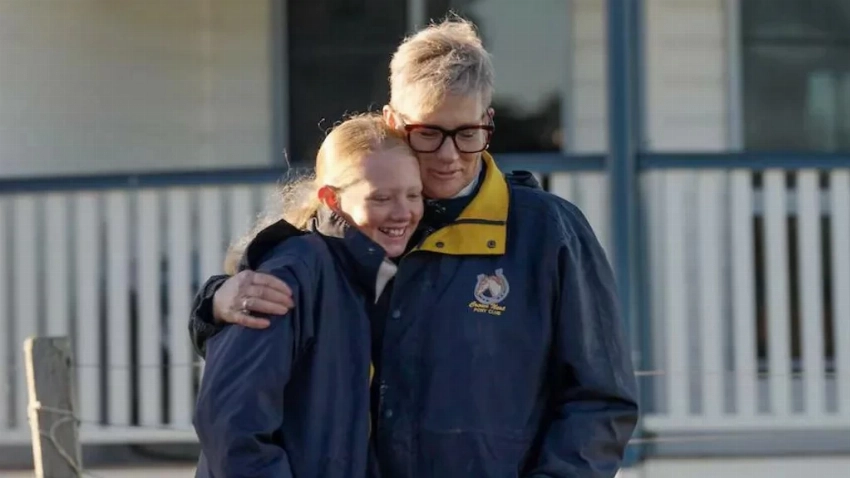
بعد ستة أشهر فقط من إنجاب طفلتها الأولى، عقب سنوات طويلة من محاولات الحمل، تلقت الأسترالية كريسي والترز صدمة قاسية: ابنتها قد تكبر يومًا من دون والدتها.
فبعد تعرضها لنزيف حاد في منزلها بمدينة توومبا، وخضوعها لسلسلة من الفحوصات الطبية، شُخِّصت والترز - وكانت تبلغ 39 عامًا آنذاك - بسرطان عنق الرحم في مرحلة متقدمة، وتتذكر تلك اللحظة قائلة إنها اعتقدت بوجود خطأ كبير في التشخيص.
ومنذ ذلك الحين، أمضت أكثر من عقد في رحلة علاج شاقة، شملت إجراءات مؤلمة وتدخلات طبية معقدة، إلا أن المرض انتشر في جسدها، ليؤكد الأطباء أن حالتها أصبحت نهائية.
كبرت ابنتها، التي تبلغ الآن 12 عامًا، وسط هذا الواقع الصعب، حيث بدأت الأسرة مناقشة مسألة الموت معها منذ سن مبكرة جدًا، والمفارقة أن عام 2026 هو نفسه العام الذي أصبحت فيه الطفلة مؤهلة للحصول على اللقاح الذي قد يمنع الإصابة بالمرض الذي يهدد حياة والدتها.
إستراتيجية أستراليا للقضاء على المرض
وتسير أستراليا بخطى متسارعة لتصبح أول دولة في العالم تقضي على سرطان عنق الرحم، وذلك عبر إستراتيجية مزدوجة تعتمد على التطعيم ضد فيروس الورم الحليمي البشري (HPV)، وهو المسبب الرئيسي للمرض، وبرامج الفحص المبكر عالية الدقة.
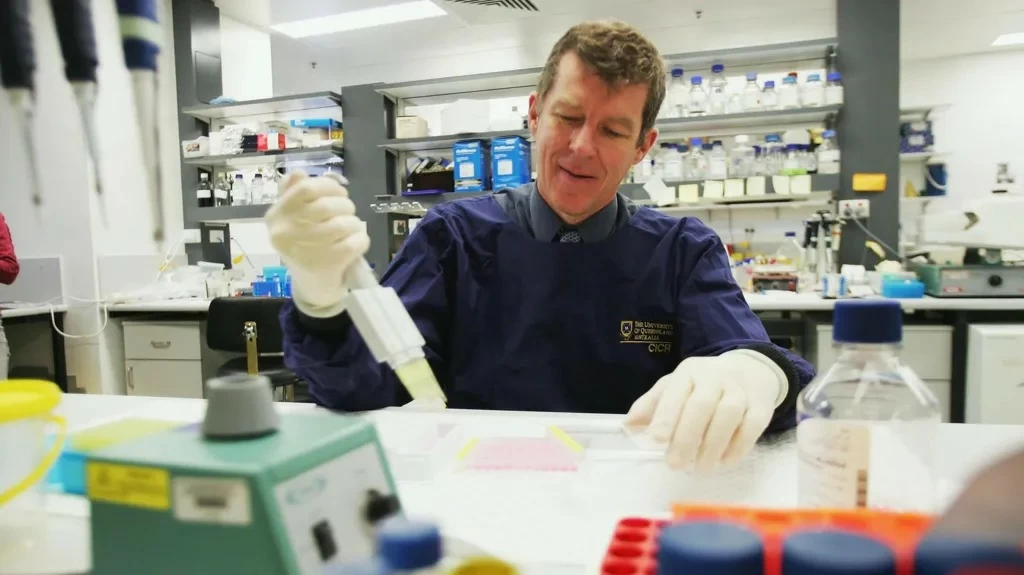
بدأت القصة العلمية عام 2006، عندما نجح علماء أستراليون في تطوير لقاح «غارداسيل»، الذي يمنع الإصابة بالفيروس. وبعد عام واحد، أطلقت البلاد برنامج تطعيم وطنياً شاملاً، توسع لاحقًا ليشمل الفتيان أيضًا.
كما اعتمدت أستراليا نظام فحص متطورًا يعتمد على اختبار فيروس HPV بدلًا من مسحة عنق الرحم التقليدية، مع إمكانية إجراء الفحص ذاتيًا، ما شجّع المزيد من النساء على المشاركة.
نتائج مشجعة وتقدم ملموس
وتشير البيانات إلى أن أستراليا في طريقها للقضاء على المرض بحلول عام 2035، وربما قبل ذلك، فيما يُعرّف القضاء على المرض بأنه انخفاض الحالات إلى أقل من 4 إصابات لكل 100 ألف امرأة.
ومن أبرز المؤشرات انخفاض معدلات الإصابة والوفيات إلى النصف منذ الثمانينات، وتسجيل صفر إصابات بين النساء دون 25 عامًا في أحدث البيانات، بالإضافة إلى تغطية تطعيم تتجاوز 80% للفتيات، وخضوع 85% من النساء للفحص الدوري.
تحديات قائمة
رغم هذا التقدم، لا تزال هناك تحديات تعيق الوصول الكامل إلى الهدف، أبرزها: انخفاض معدلات التطعيم في بعض الفئات، خاصة بين السكان الأصليين، تفاوت فرص الوصول إلى الرعاية الصحية، تردد بعض الأسر في تلقي اللقاحات بعد جائحة كورونا، ارتفاع تكاليف الخدمات الصحية.
وتشير الدراسات إلى أن القضاء على المرض لدى السكان الأصليين قد يتأخر أكثر من عقد مقارنة ببقية السكان.
أثر عالمي وجهود دولية
ولا يقتصر طموح أستراليا على الداخل، إذ تدعم دولًا مجاورة مثل فانواتو وبابوا غينيا الجديدة في جهودها لمكافحة المرض.
كما دخلت دول مثل السويد ورواندا وبريطانيا سباقًا عالميًا لتحقيق الهدف ذاته، رغم مواجهتها تحديات في معدلات التطعيم والفحص.
ويُعد هذا التوجه سابقة في تاريخ الطب، حيث تسعى دول العالم - بدعم من منظمة الصحة العالمية - للقضاء على نوع من السرطان، وليس مجرد السيطرة عليه.
بين الألم والأمل
وتصف والترز تجربتها مع المرض بأنها وظيفة بدوام كامل، مليئة بالإرهاق الجسدي والضغوط النفسية والتكاليف المالية، رغم الدعم الحكومي، لكن وسط هذه المعاناة، يبرز أمل حقيقي في أن تصبح قصتها استثناءً في المستقبل، لا قاعدة.
Just six months after giving birth to her first daughter, following many years of trying to conceive, Australian Chrissy Walters received a harsh shock: her daughter might grow up one day without her mother.
After experiencing severe bleeding at her home in Toowoomba and undergoing a series of medical tests, Walters - who was 39 at the time - was diagnosed with advanced cervical cancer, and she recalls that moment by saying she thought there was a major mistake in the diagnosis.
Since then, she has spent over a decade on a grueling treatment journey, which included painful procedures and complex medical interventions, but the disease spread in her body, leading doctors to confirm that her condition had become terminal.
Her daughter, now 12 years old, has grown up amidst this difficult reality, where the family began discussing the issue of death with her from a very early age. Ironically, the year 2026 is the same year the child will be eligible for the vaccine that could prevent the disease threatening her mother's life.
Australia's Strategy to Eliminate the Disease
Australia is rapidly moving towards becoming the first country in the world to eliminate cervical cancer, through a dual strategy based on vaccination against the human papillomavirus (HPV), the primary cause of the disease, and high-precision early screening programs.
The scientific story began in 2006 when Australian scientists succeeded in developing the "Gardasil" vaccine, which prevents infection with the virus. One year later, the country launched a comprehensive national vaccination program, which later expanded to include boys as well.
Australia also adopted an advanced screening system that relies on HPV testing instead of the traditional Pap smear, with the option for self-testing, which encouraged more women to participate.
Encouraging Results and Tangible Progress
Data indicates that Australia is on track to eliminate the disease by 2035, possibly even sooner, with elimination defined as reducing cases to fewer than 4 cases per 100,000 women.
Notable indicators include a halving of incidence and mortality rates since the 1980s, with zero cases recorded among women under 25 in the latest data, in addition to a vaccination coverage exceeding 80% for girls and 85% of women undergoing regular screening.
Ongoing Challenges
Despite this progress, there are still challenges hindering full access to the goal, the most prominent of which are: low vaccination rates in certain demographics, especially among Indigenous populations, disparities in access to healthcare, hesitancy among some families to receive vaccines after the COVID-19 pandemic, and high healthcare service costs.
Studies indicate that eliminating the disease among Indigenous populations may be delayed by more than a decade compared to the rest of the population.
Global Impact and International Efforts
Australia's ambition is not limited to its own borders, as it supports neighboring countries like Vanuatu and Papua New Guinea in their efforts to combat the disease.
Countries like Sweden, Rwanda, and the UK have also entered a global race to achieve the same goal, despite facing challenges in vaccination and screening rates.
This approach is unprecedented in the history of medicine, as countries around the world - supported by the World Health Organization - seek to eliminate a type of cancer, rather than just control it.
Between Pain and Hope
Walters describes her experience with the disease as a full-time job, filled with physical exhaustion, psychological stress, and financial costs, despite government support. However, amidst this suffering, there is a genuine hope that her story will become an exception in the future, not the norm.