أعلنت منظمة الصحة العالمية اعتماد أول علاج مخصص للملاريا لدى الرضع، في خطوة تاريخية تمهّد لاستخدامه على نطاق واسع عالميًا، خصوصًا في المناطق الأكثر تضررًا من المرض.
ويُعد هذا القرار تطورًا مهمًا في ظل غياب علاج آمن للأطفال دون سن 6 أشهر، رغم أن ما يصل إلى 18% من الرضع في بعض مناطق أفريقيا يصابون بالملاريا.
وسجل العالم نحو 610 آلاف وفاة بسبب المرض في عام 2024، كان ثلاثة أرباعها تقريبًا بين الأطفال دون الخامسة في القارة الأفريقية.
سد فجوة علاجية خطيرة
وحتى الآن، كان يتم علاج الرضع باستخدام أدوية مخصصة لأطفال أكبر سنًا، ما يزيد من مخاطر الأخطاء في الجرعات والآثار الجانبية السامة.
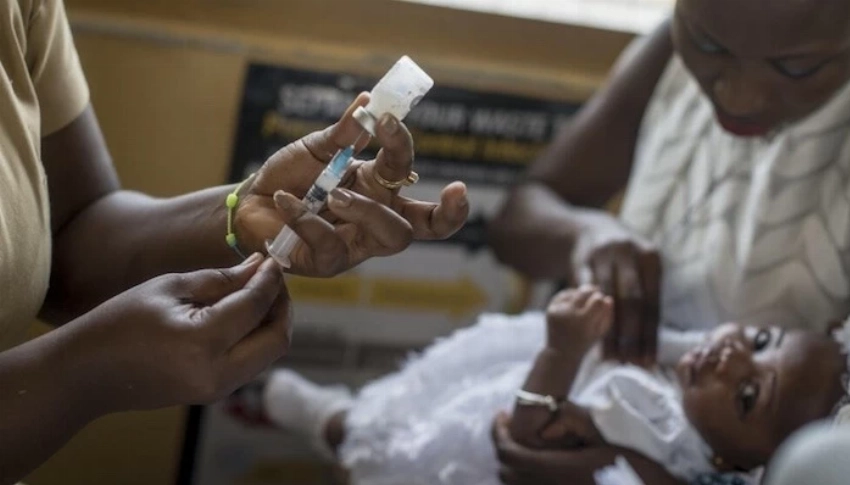
لكن الدواء الجديد، المعروف باسم Coartem Baby، يوفّر حلًا مناسبًا، إذ يمكن استخدامه للأطفال الذين لا يتجاوز وزنهم 2 كيلوغرام، ويأتي في شكل أقراص بنكهة الكرز يمكن إذابتها في السوائل، بما في ذلك حليب الأم، ما يسهل إعطاءه للرضع.
ويحتوي الدواء على مزيج من مادتي أرتيميثير و لوميفانترين، وهما من الأدوية الفعالة في مكافحة طفيليات الملاريا.
خطوة نحو تغيير الواقع الصحي
من جانبه، وصف المدير العام للمنظمة تيدروس أدهانوم غيبريسوس هذه الخطوة بأنها تحول في مسار مكافحة المرض، مشيرًا إلى أن الملاريا لطالما حرمت العائلات من أطفالها وسلبت المجتمعات صحتها وأملها، لكن هذا الواقع بدأ يتغير.
ويحمل اعتماد الدواء ضمن برنامج التأهيل المسبق للمنظمة دلالة على استيفائه معايير الجودة والسلامة والفعالية، ما يسمح بشرائه وتوزيعه عبر الأنظمة الصحية في الدول ذات معدلات الإصابة المرتفعة، خصوصًا في أفريقيا جنوب الصحراء.
تعاون دولي وجهود بحثية
وتم تطوير العلاج بالتعاون بين شركة Novartis ومنظمة Medicines for Malaria Venture، في إطار جهود بحثية حديثة أثبتت أن الرضع ليسوا محصنين كما كان يُعتقد سابقًا.
وأكدت المنظمة المطوّرة أن الدواء سيكون متاحًا في الدول الموبوءة بأسعار منخفضة وعلى أساس غير ربحي إلى حد كبير.
قصص واقعية تعكس الأثر
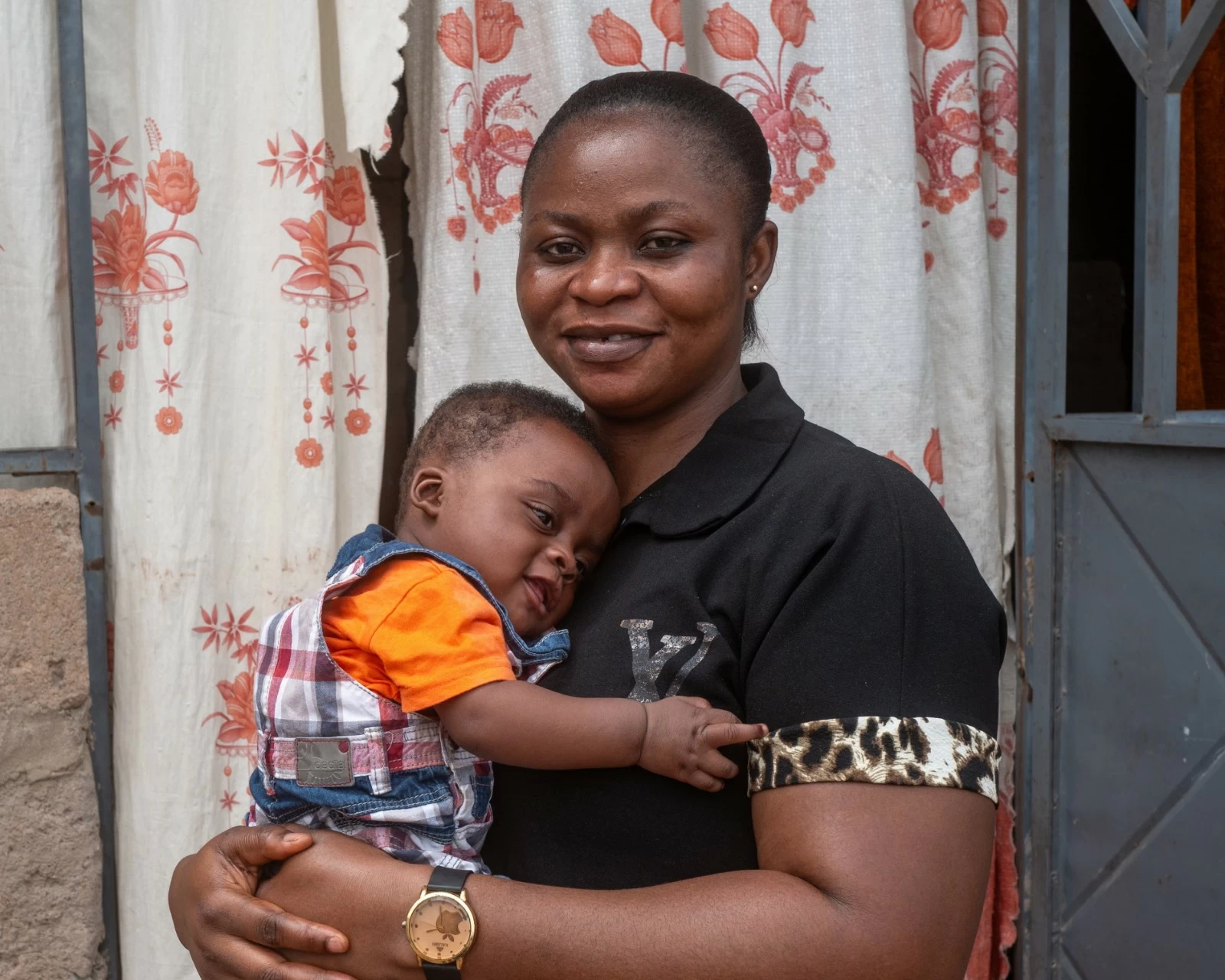
وفي غانا، التي بدأت بالفعل استخدام العلاج، كان الطفل «ووندر» من أوائل المستفيدين، حيث تلقى الدواء بعمر 12 أسبوعًا بعد إصابته بحمى شديدة نتيجة الملاريا، ليتعافى لاحقًا ويعيش بصحة جيدة.
ويؤكد الأطباء أن توفر علاج مخصص وآمن للرضع يمثل نقلة نوعية، إذ كان التعامل مع هذه الحالات سابقًا محفوفًا بالقلق وقلة الخيارات.
آفاق أوسع لمكافحة الملاريا
وتأتي هذه الخطوة بالتوازي مع تطورات أخرى، مثل اللقاحات الجديدة، وأدوات التشخيص المتقدمة، وشبكات الحماية من البعوض، ما يعزز فرص السيطرة على المرض عالميًا.
ويرى خبراء الصحة أن هذا الإنجاز يمثل محطة مهمة نحو تقليل وفيات الأطفال، وقد يكون بداية مرحلة جديدة في الحرب ضد أحد أخطر الأمراض المعدية في العالم.
The World Health Organization has announced the approval of the first dedicated malaria treatment for infants, in a historic step paving the way for its widespread global use, especially in the areas most affected by the disease.
This decision is an important development given the absence of a safe treatment for children under 6 months, despite the fact that up to 18% of infants in some regions of Africa contract malaria.
The world recorded about 610,000 deaths due to the disease in 2024, with nearly three-quarters of those being among children under five in the African continent.
Bridging a Critical Treatment Gap
Until now, infants were treated using medications designed for older children, increasing the risks of dosing errors and toxic side effects.
However, the new drug, known as Coartem Baby, provides a suitable solution, as it can be used for children weighing up to 2 kilograms, and comes in cherry-flavored tablets that can be dissolved in liquids, including breast milk, making it easier to administer to infants.
The medication contains a combination of artemether and lumefantrine, both of which are effective in combating malaria parasites.
A Step Towards Changing Health Reality
For his part, the Director-General of the organization, Tedros Adhanom Ghebreyesus, described this step as a turning point in the fight against the disease, noting that malaria has long deprived families of their children and robbed communities of their health and hope, but this reality is beginning to change.
The approval of the drug under the organization's prequalification program signifies that it meets quality, safety, and efficacy standards, allowing it to be purchased and distributed through health systems in countries with high infection rates, especially in sub-Saharan Africa.
International Collaboration and Research Efforts
The treatment was developed in collaboration between Novartis and the Medicines for Malaria Venture organization, as part of recent research efforts that have proven that infants are not as immune as previously thought.
The developing organization confirmed that the drug will be available in endemic countries at low prices and largely on a non-profit basis.
Real Stories Reflecting the Impact
In Ghana, which has already begun using the treatment, a child named "Wonder" was one of the first beneficiaries, receiving the medication at 12 weeks old after suffering from severe fever due to malaria, later recovering and living in good health.
Doctors confirm that the availability of a dedicated and safe treatment for infants represents a qualitative leap, as dealing with these cases previously was fraught with anxiety and limited options.
Broader Prospects for Malaria Control
This step comes alongside other developments, such as new vaccines, advanced diagnostic tools, and mosquito protection networks, enhancing the chances of controlling the disease globally.
Health experts believe that this achievement represents an important milestone towards reducing child mortality and may mark the beginning of a new phase in the fight against one of the deadliest infectious diseases in the world.