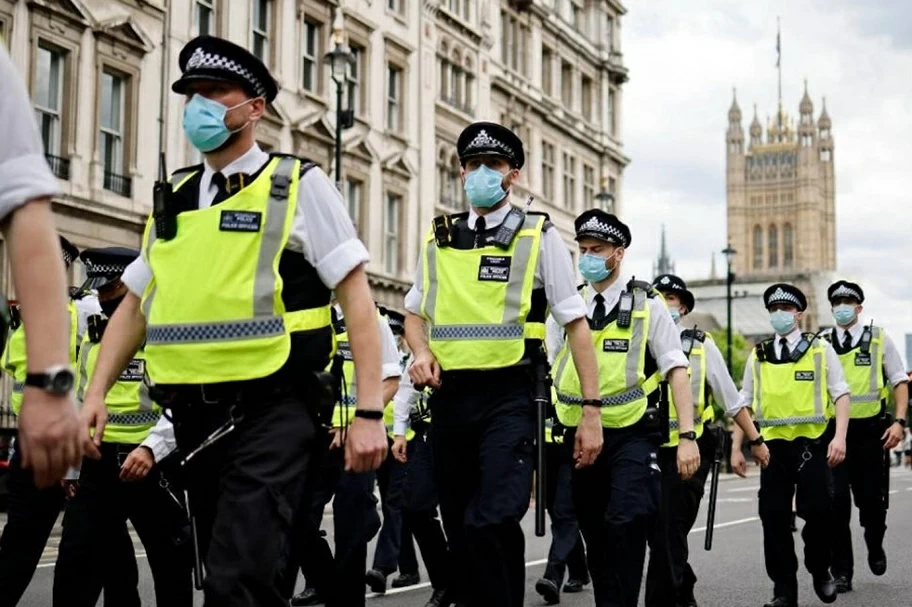
لم يحتج الأمر إلى سنوات من التحقيقات التقليدية ولا إلى شكاوى متراكمة، فأسبوع واحد فقط كان كافياً لبرنامج ذكاء اصطناعي أن يفعل ما عجزت عنه الأنظمة الرقابية داخل واحدة من أكبر أجهزة الشرطة في العالم. والنتيجة كانت صادمة، إذ وجد مئات الضباط في شرطة لندن أنفسهم فجأة تحت مجهر التحقيق، بعد أن كشفت أداة رقمية جديدة مخالفاتٍ كانت مخفية في ثنايا السجلات، بدأت بالتلاعب في «ساعات العمل» ولم تنتهِ عند شبهات جنائية خطيرة.
ماذا رصدت «عين» الذكاء الاصطناعي؟
الأداة التقنية التي طورتها شركة أثارت الكثير من الجدل، قامت بمسح شامل للأنماط والبيانات الداخلية. وفي غضون أيام، بدأت «الخوارزمية» في استخراج ملفات لم تكن تحت الضوء من قبل، شملت:
- احتيال المناوبات: ضباط تلاعبوا بأنظمة الدوام لتحقيق مكاسب شخصية.
- تضليل إداري: مسؤولون كبار زعموا وجودهم في المكاتب بينما كانوا في أماكن أخرى.
- شبهات فساد: انتماءات غير معلنة، وتلاعب مالي وإداري.
- قضايا جنائية: ادعاءات خطيرة شملت إساءة استخدام السلطة واعتداءات جنسية.
ولم تكتفِ الأداة بالرصد، بل قادت السلطات إلى توقيف ثلاثة ضباط فوراً في قضايا فساد واعتداء. هذا التحرك السريع في أسبوع واحد فتح باباً واسعاً من التساؤلات: كم عدد الملفات «المسكوت عنها» التي كانت مختبئة طوال السنوات الماضية؟ وهل كانت الأنظمة التقليدية تتغاضى، أم أنها كانت عاجزة عن الرؤية؟
ووضع هذا النجاح التقني العالم أمام معضلة أخلاقية: هل نحن أمام أداة للإصلاح أم أداة مراقبة مرعبة؟ وبطبيعة الحال تصاعد الجدل حول الشركة المطورة للتقنية، إذ يرى البعض أن ما حدث «انتصار للشفافية» وقطع لدابر الفساد المؤسسي، بينما يخشى الحقوقيون من أن نكون قد دخلنا عصراً جديداً يتم فيه استبدال «المراقب البشري» بـ «خوارزمية» لا ترحم ولا تتغاضى.
ويمكن القول إن واقعة اليوم تحمل رسالة صادمة للشرطة البريطانية، فأحياناً لا تحتاج المؤسسات إلى «شاهد بشري» لتنظيف صفوفها، بل إلى «خوارزمية» ذكية قادرة على قراءة ما تجاهله البشر لسنوات. وفي السابق، كان الضابط يراقب الشارع، أما اليوم، يبدو أن الخوارزمية بدأت تراقب الضابط نفسه، فهل انتهى زمن «التستر على الأخطاء»؟
It didn't take years of traditional investigations or accumulated complaints; just one week was enough for an artificial intelligence program to do what regulatory systems within one of the largest police forces in the world had failed to accomplish. The result was shocking, as hundreds of officers in the London police suddenly found themselves under investigation, after a new digital tool revealed violations that had been hidden within the records, starting with manipulation of "working hours" and ending with serious criminal suspicions.
What did the AI "eye" observe?
The technical tool developed by a controversial company conducted a comprehensive scan of internal patterns and data. Within days, the "algorithm" began extracting files that had previously been overlooked, including:
- Shift fraud: Officers manipulated attendance systems for personal gain.
- Administrative deception: Senior officials claimed to be in the offices while they were elsewhere.
- Corruption suspicions: Undisclosed affiliations, financial and administrative manipulation.
- Criminal cases: Serious allegations including abuse of power and sexual assaults.
Not only did the tool monitor, but it also led authorities to immediately suspend three officers in corruption and assault cases. This swift action within one week opened a wide range of questions: How many "overlooked" files had been hidden for all these years? Were traditional systems turning a blind eye, or were they incapable of seeing?
This technical success placed the world before an ethical dilemma: Are we facing a tool for reform or a terrifying surveillance tool? Naturally, the debate around the company that developed the technology intensified, as some see what happened as a "victory for transparency" and a blow to institutional corruption, while human rights advocates fear that we may have entered a new era where the "human observer" is replaced by a "ruthless algorithm" that does not overlook.
It can be said that today's incident carries a shocking message for the British police; sometimes institutions do not need a "human witness" to clean their ranks, but rather an intelligent "algorithm" capable of reading what humans have ignored for years. In the past, the officer monitored the street, but today, it seems that the algorithm has begun to monitor the officer themselves. Has the time for "covering up mistakes" come to an end?