لم تكن مجرد شحنة مخدرات عابرة، بل كانت محاولة لإعادة تعريف قواعد اللعبة في عالم التهريب. طائرات مسيرة، وبطاريات متطورة، ومسارات جوية سرية، هكذا خططت شبكة في مدينة وجدة المغربية لاستغلال التكنولوجيا، قبل أن تصطدم بحائط أمني أحبط مخططهم الأكثر تعقيداً.
في مشهد أقرب إلى أفلام الجريمة الحديثة، لم تعد شبكات التهريب تعتمد على الطرق التقليدية فقط، بل بدأت تُدخل التكنولوجيا إلى قلب عملياتها. لكن في وجدة، انتهت هذه المحاولة بسقوط شبكة كاملة قبل أن تُكمل خطتها.
بدأت القصة داخل مناطق قروية بضواحي المدينة، حيث كانت معلومات دقيقة قد وصلت إلى الجهات الأمنية حول تحركات مشبوهة يُشتبه في ارتباطها بشبكة دولية للاتجار في المخدرات. وخلال ساعات، تحولت تلك المعلومات إلى عملية ميدانية محكمة، امتدت بين المدينة ومحيطها، وانتهت بتوقيف ثمانية أشخاص تتراوح أعمارهم بين 30 و49 عاماً.
لكن ما كان يُحضَّر خلف الكواليس لم يكن مجرد تهريب تقليدي. فمع تقدم التحقيقات الميدانية، اكتشف الأمن أن الشبكة تعتمد على أسلوب أكثر تعقيدًا يتمثل في: طائرات مسيّرة صغيرة تُستخدم في نقل الشحنات، في محاولة لتجاوز الرقابة الأرضية.
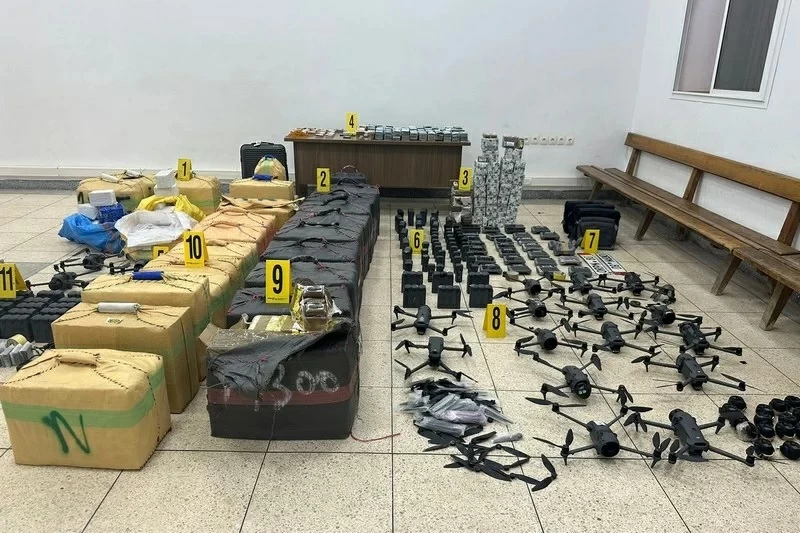
وخلال المداهمة، كانت المفاجأة أكبر من المتوقع. ما يقارب 700 كيلوغرام من مخدر الحشيش كانت جاهزة للتوزيع، إلى جانب مبالغ مالية ضخمة تجاوزت أربعة ملايين وستمائة وخمسين ألف درهم، إضافة إلى مجوهرات يُشتبه في كونها من عائدات النشاط غير المشروع.
لكن العنصر الأكثر لفتًا للانتباه كان تقنيًا بامتياز: 25 طائرة مسيّرة، و155 بطارية، و35 جهاز تحكم عن بعد. ومعدات تكشف بوضوح أن الشبكة لم تكن تعمل بأسلوب تقليدي، بل كانت تحاول بناء «مسار تهريب جوي» منخفض الارتفاع بعيدًا عن أعين الدوريات.
وخلال فحص هوية الموقوفين، تبيّن أن أحدهم مطلوب أمني في ملف سابق مرتبط بترويج المخدرات، ما يشير إلى احتمال وجود امتداد أوسع للشبكة خارج هذه العملية.
ولا تزال التحقيقات مستمرة تحت إشراف النيابة العامة المغربية، وسط محاولة لفك خيوط هذا النشاط الإجرامي الذي يبدو أنه تطور من مجرد تهريب إلى منظومة منظمة تعتمد على تقنيات وأجهزة وأدوات حديثة.
ورغم هذا التطور في أساليب التهريب، فإن العملية الأمنية الأخيرة أظهرت أن التكنولوجيا ليست دائمًا وسيلة للهروب، بل قد تصبح دليلًا يقود إلى السقوط.
It was not just a passing drug shipment; it was an attempt to redefine the rules of the game in the smuggling world. Drones, advanced batteries, and secret flight paths—this is how a network in the Moroccan city of Oujda planned to exploit technology, before colliding with a security wall that thwarted their most complex scheme.
In a scene reminiscent of modern crime films, smuggling networks no longer relied solely on traditional methods; they began to incorporate technology into the heart of their operations. However, in Oujda, this attempt ended with the downfall of an entire network before they could complete their plan.
The story began in rural areas on the outskirts of the city, where precise information had reached security authorities about suspicious movements suspected to be linked to an international drug trafficking network. Within hours, that information transformed into a well-coordinated field operation, extending between the city and its surroundings, culminating in the arrest of eight individuals aged between 30 and 49.
But what was being prepared behind the scenes was not just traditional smuggling. As field investigations progressed, security discovered that the network relied on a more complex method involving: small drones used to transport shipments, in an attempt to bypass ground surveillance.
During the raid, the surprise was greater than expected. Approximately 700 kilograms of hashish were ready for distribution, along with large sums of money exceeding four million six hundred fifty thousand dirhams, in addition to jewelry suspected to be from the proceeds of illegal activity.
However, the most striking element was technical in nature: 25 drones, 155 batteries, and 35 remote control devices. The equipment clearly indicated that the network was not operating in a traditional manner; rather, it was attempting to establish a "low-altitude air smuggling route" away from the eyes of patrols.
During the identity check of the detainees, it was revealed that one of them was wanted in a previous case related to drug trafficking, indicating the possibility of a broader network extension beyond this operation.
Investigations are still ongoing under the supervision of the Moroccan public prosecutor's office, amidst efforts to unravel the threads of this criminal activity that appears to have evolved from mere smuggling into an organized system relying on modern technologies, devices, and tools.
Despite this evolution in smuggling methods, the recent security operation demonstrated that technology is not always a means of escape; it can also become evidence leading to downfall.