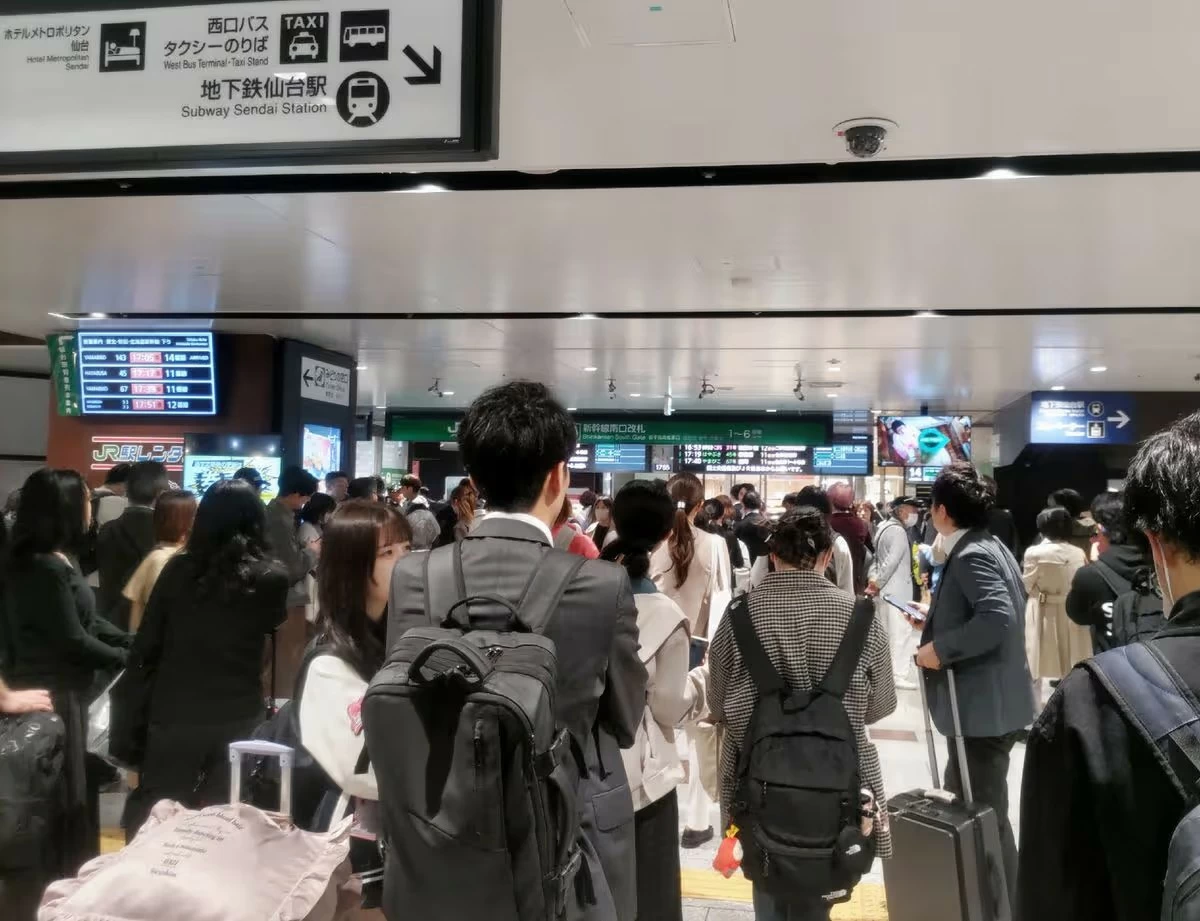
ضرب زلزال قوي بلغت شدته 7.4 درجة على مقياس ريختر السواحل الشمالية الشرقية لليابان، اليوم (الإثنين)، ما دفع السلطات إلى إصدار تحذيرات عاجلة من موجات تسونامي وبدء عمليات إجلاء واسعة للسكان في المناطق الساحلية.
ووفقًا لـوكالة الأرصاد الجوية اليابانية، وقع الزلزال قبالة ساحل منطقة سانريكو على عمق نحو 10 كيلومترات تحت سطح البحر، وسط توقعات بوصول موجات تسونامي قد يصل ارتفاعها إلى 3 أمتار، خصوصا في محافظتي إيواتي وأجزاء من هوكايدو.
موجات أولية وتحذيرات مستمرة
سجلت السلطات بالفعل موجات تسونامي بارتفاع نحو 80 سنتيمترًا في ميناء كوجي بمحافظة إيواتي، مع تحذيرات من أن الموجات اللاحقة قد تكون أعلى وأكثر خطورة. ودعت السلطات السكان إلى الابتعاد فورًا عن السواحل والتوجه إلى مناطق مرتفعة أو ملاجئ آمنة.
وأكد المسؤول في وكالة الأرصاد، شينجي كيوموتو، أن «الموجتين الثانية والثالثة قد تتجاوزان الأولى»، مشددًا على ضرورة عدم العودة إلى المناطق المنخفضة حتى رفع التحذيرات رسميًا.
مخاطر زلازل ارتدادية وانهيارات أرضية
وحذرت السلطات من احتمال وقوع زلازل ارتدادية قوية خلال الأيام القادمة، قد تتجاوز شدتها 7 درجات، خصوصا في نفس المنطقة المتأثرة. كما أشارت إلى مخاطر إضافية تشمل الانهيارات الصخرية والانزلاقات الأرضية في المناطق التي شهدت اهتزازات عنيفة.
إجراءات حكومية عاجلة
وأعلنت الحكومة اليابانية تشكيل لجنة طوارئ لإدارة الأزمة، فيما دعت رئيسة الوزراء، ساناي تاكاييتشي، السكان إلى الإخلاء الفوري من المناطق المنخفضة، مؤكدة أن تقييم حجم الأضرار البشرية والمادية لا يزال جاريًا.
تأثيرات على النقل والطيران
وتسببت الهزة الأرضية في اضطرابات بحركة النقل، حيث تم تعليق بعض خدمات قطارات الشينكانسن السريعة، كما أعلنت شركة الطيران ANA عن تأخيرات وتحويل مسارات عدد من الرحلات قبل استئناف العمليات بعد إجراء فحوصات السلامة.
في المقابل، أفادت مطارات رئيسية مثل شين-تشيتوسه وسينداي بأنها تواصل العمل بشكل طبيعي.
سلامة المنشآت النووية
وأكدت السلطات عدم تسجيل أي أضرار في محطات الطاقة النووية، بما في ذلك فوكوشيما دايتشي ودايني، إضافة إلى محطات أوناغاوا وهيغاشيدوري، مع استمرار عمليات الفحص الاحترازي.
تحذير من «زلزال ضخم محتمل»
وفي تحديث لاحق، أصدرت الحكومة تحذيرًا من احتمال حدوث «زلزال ضخم» في المناطق الشمالية خلال الأسبوع المقبل، بنسبة احتمال تبلغ 1%، وهو تحذير احترازي يهدف إلى رفع مستوى الجاهزية لدى السكان.
ذاكرة كارثة 2011 تعود
تأتي هذه التطورات بعد مرور 15 عامًا على كارثة زلزال وتسونامي توهوكو 2011، التي أسفرت عن أكثر من 22 ألف قتيل وأجبرت نحو نصف مليون شخص على النزوح، في واحدة من أسوأ الكوارث الطبيعية في تاريخ اليابان.
A powerful earthquake measuring 7.4 on the Richter scale struck the northeastern coast of Japan today (Monday), prompting authorities to issue urgent tsunami warnings and initiate widespread evacuation operations for residents in coastal areas.
According to the Japan Meteorological Agency, the earthquake occurred off the coast of the Sanriku region at a depth of about 10 kilometers beneath the sea surface, with predictions of tsunami waves that could reach heights of up to 3 meters, especially in Iwate Prefecture and parts of Hokkaido.
Initial Waves and Ongoing Warnings
Authorities have already recorded tsunami waves measuring about 80 centimeters at Koji Port in Iwate Prefecture, with warnings that subsequent waves may be higher and more dangerous. Officials urged residents to immediately move away from the coast and head to higher ground or safe shelters.
Shinji Kiyomoto, an official from the meteorological agency, confirmed that "the second and third waves may exceed the first," emphasizing the necessity of not returning to low-lying areas until warnings are officially lifted.
Risks of Aftershocks and Landslides
Authorities warned of the possibility of strong aftershocks in the coming days, which could exceed a magnitude of 7, particularly in the same affected area. They also pointed out additional risks including rockfalls and landslides in areas that experienced violent shaking.
Urgent Government Measures
The Japanese government announced the formation of an emergency committee to manage the crisis, while Prime Minister Sanae Takaiichi urged residents to evacuate immediately from low-lying areas, confirming that assessments of human and material damage are still ongoing.
Impacts on Transportation and Aviation
The earthquake caused disruptions in transportation, with some Shinkansen bullet train services suspended, and ANA Airlines announced delays and rerouting of several flights before resuming operations after safety checks were conducted.
In contrast, major airports such as Shin-Chitose and Sendai reported that they continue to operate normally.
Nuclear Facility Safety
Authorities confirmed that no damage was reported at nuclear power plants, including Fukushima Daiichi and Daini, as well as the Onagawa and Higashidori plants, with precautionary inspections ongoing.
Warning of a "Possible Major Earthquake"
In a later update, the government issued a warning about the possibility of a "major earthquake" in the northern regions next week, with a probability of 1%. This precautionary warning aims to raise the level of preparedness among residents.
Memory of the 2011 Disaster Resurfaces
These developments come 15 years after the Tōhoku earthquake and tsunami disaster in 2011, which resulted in over 22,000 deaths and forced nearly half a million people to evacuate, marking one of the worst natural disasters in Japan's history.