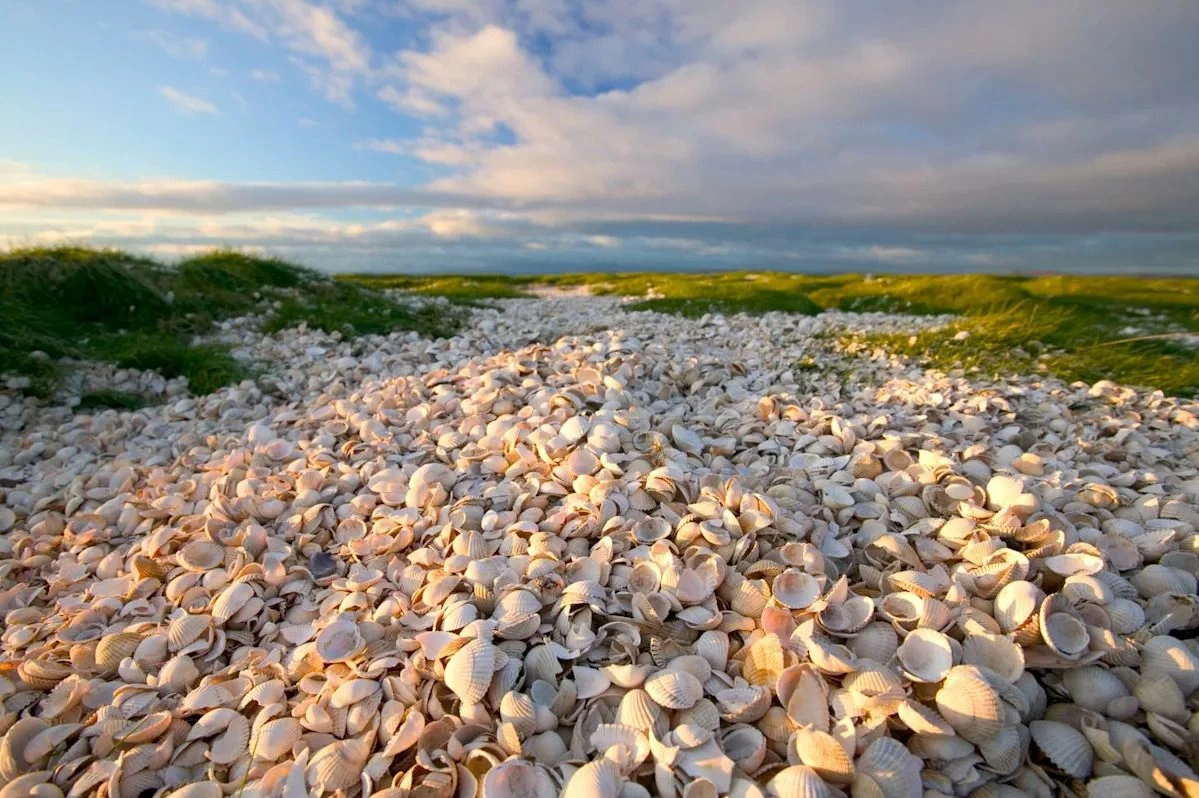
اكتشف علماء ظاهرة جيولوجية وأثرية فريدة وغير مسبوقة في جنوب المحيط الهادئ، حيث عثر على جزيرة صغيرة قبالة سواحل فيجي تشكلت بالكامل تقريباً من بقايا أصداف المحار التي تركها المستوطنون البشريون منذ أكثر من 1200 عام.
وتمتد الجزيرة، الواقعة قرب منطقة كولاساواني شمال جزيرة فانوا ليفو في فيجي، على مساحة 3000 متر مربع، وترتفع من 20 إلى 60 سنتيمتراً فوق مستوى المد العالي، يُشكل المحار ما بين 70% إلى 90% من تركيبها، ممزوجاً بطبقة رقيقة من الطين الرملي، مما يجعلها أثراً تاريخياً طبيعياً نادراً.
وقاد الدراسة البروفيسور باتريك نون من جامعة صن شاين كوست في كوينزلاند بأستراليا، ونُشرت نتائجها في مجلة Geoarchaeology، وخلص الفريق إلى أن الموقع هو «جزيرة ميدين» أي كتلة أرضية نمت من تراكم مخلفات المحار (النفايات) لدى المستوطنين القدماء.
وأظهر التأريخ بالكربون المشع لعشر عينات من الأصداف أن تكوين الجزيرة يعود إلى حوالى عام 760 ميلادي أي قبل 1190 سنة مضت، مع نطاق زمني يراوح بين 420 و1040 ميلادي.
كيف تشكلت الجزيرة؟
يرجح الفريق أن المستوطنين الأوائل بنوا منازلهم على ركائز فوق المياه الساحلية الضحلة، وعلى مر الأجيال، تراكمت أصداف المحار المهملة أسفل هذه المنازل في قاع البحر، ومع انخفاض تدريجي في منسوب مياه البحر، ارتفعت هذه المخلفات المتراكمة فوق سطح الماء، مشكلة جزيرة ببطء.
كما درس الباحثون احتمال أن يكون الموقع مخصصاً فقط لمعالجة المحار باستخراج اللحم ونقله للاستهلاك في مكان آخر، ودعم هذا الاحتمال غياب عظام الأسماك والأدوات الحجرية، مع وجود شظايا فخارية منتشرة في الموقع، مما يشير إلى نشاط بشري متكرر.
واستبعد الفريق فرضية أن تكون الجزيرة ناتجة عن تسونامي، لأن الرواسب الغنية بالأصداف محصورة تماماً داخل الجزيرة دون أي ترقق باتجاه الحواف، حيث تقع الجزيرة داخل حلقة من غابات المانجروف، ويعتقد الباحثون أن أشجار المانجروف نمت فقط بعد هجر الموقع، مع انخفاض مستوى سطح البحر وتراكم رواسب إضافية من المناطق الداخلية.
ويُعد هذا الاكتشاف أول «جزيرة ميدين» موثقة في جنوب المحيط الهادئ شرق بابوا غينيا الجديدة. ويوفر معلومات قيمة عن طرق استغلال الموارد البحرية لدى المجتمعات القديمة في فيجي، وكيف ساهم النشاط البشري في تشكيل المناظر الطبيعية للجزر.
Scientists have discovered a unique and unprecedented geological and archaeological phenomenon in the South Pacific, where a small island off the coast of Fiji has been found, formed almost entirely from the remains of oyster shells left by human settlers over 1200 years ago.
The island, located near the Kolasawani area north of Vanua Levu Island in Fiji, spans an area of 3000 square meters and rises from 20 to 60 centimeters above high tide. The oysters make up between 70% to 90% of its composition, mixed with a thin layer of sandy clay, making it a rare natural historical site.
The study was led by Professor Patrick Nunn from the Sunshine Coast University in Queensland, Australia, and its results were published in the journal Geoarchaeology. The team concluded that the site is a "midden island," meaning a landmass formed from the accumulation of shellfish waste left by ancient settlers.
Radiocarbon dating of ten shell samples indicated that the formation of the island dates back to around 760 AD, approximately 1190 years ago, with a time range between 420 and 1040 AD.
How was the island formed?
The team suggests that early settlers built their homes on stilts above the shallow coastal waters, and over generations, discarded oyster shells accumulated beneath these homes on the seabed. As sea levels gradually declined, these accumulated waste materials rose above the water's surface, slowly forming an island.
The researchers also examined the possibility that the site was designated solely for processing oysters by extracting the meat and transporting it for consumption elsewhere. This possibility was supported by the absence of fish bones and stone tools, along with the presence of scattered pottery shards at the site, indicating repeated human activity.
The team ruled out the hypothesis that the island was formed by a tsunami, as the shell-rich deposits are completely confined within the island without any thinning towards the edges. The island is situated within a ring of mangrove forests, and researchers believe that the mangrove trees only grew after the site was abandoned, with the sea level dropping and additional sediments accumulating from inland areas.
This discovery is the first documented "midden island" in the South Pacific east of Papua New Guinea. It provides valuable information about how ancient communities in Fiji exploited marine resources and how human activity contributed to shaping the landscapes of the islands.