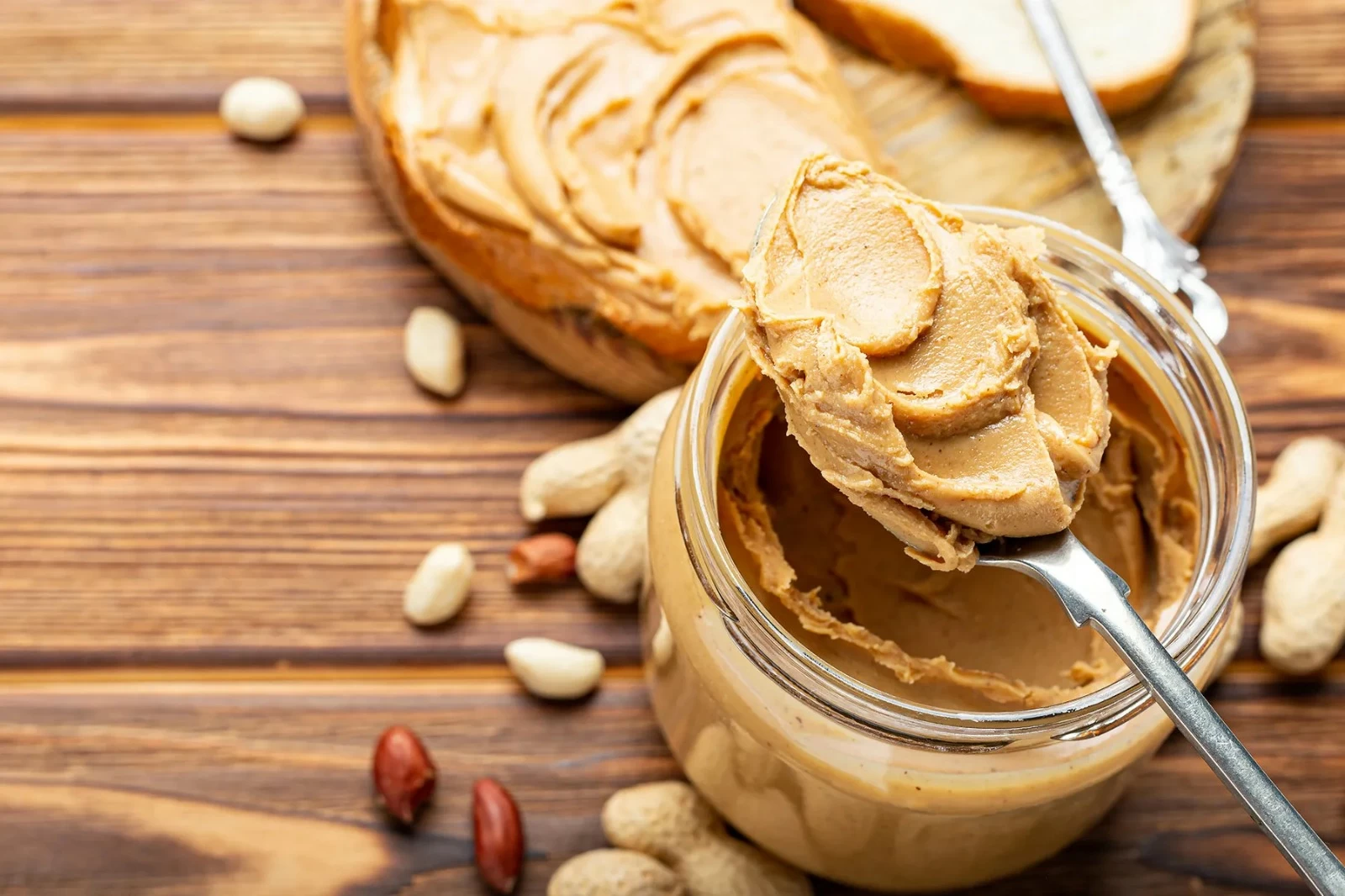
تُعد زبدة الفول السوداني واحدة من أكثر الأطعمة شعبية حول العالم، إذ يمكن تناولها بطرق متعددة، سواء داخل السندويشات أو مع الحلويات أو حتى مباشرة من العبوة، ومع تزايد الإقبال عليها في السنوات الأخيرة، يبرز تساؤل مهم: هل زبدة الفول السوداني خيار صحي فعلاً أم مجرد متعة غذائية غنية بالسعرات؟
زبدة الفول السوداني ليست «طعاماً ضاراً» ولا «صحياً بالكامل»، بل تعتمد فائدتها على الكمية وطريقة الاستهلاك، فهي غنية بالعناصر المفيدة، لكنها في الوقت نفسه عالية السعرات، ما يجعل الاعتدال هو المفتاح للاستفادة منها دون أضرار.
انتشار واسع وإقبال متزايد
تشير استطلاعات حديثة إلى أن نحو ثلث الأشخاص يتناولون زبدة الفول السوداني عدة مرات أسبوعياً، مع تفضيل 43% للنوع المقرمش مقابل 33% للنوع الناعم، في جدل غذائي مستمر منذ سنوات.
قيمة غذائية متوازنة
ويوضح خبراء التغذية أن زبدة الفول السوداني تحتوي على عناصر غذائية مهمة، من بينها الدهون الصحية غير المشبعة، والبروتين، والألياف، إلى جانب فيتامينات مثل فيتامين E وبعض فيتامينات B، ومعادن كالمغنيسيوم والنحاس.
ويؤكد خبراء من مستشفيات جامعة ليستر التابعة لخدمة الصحة الوطنية البريطانية، أن تناولها على الإفطار يُعد خياراً جيداً، إذ تساعد مكوناتها على إبطاء عملية الهضم، ما يمنح شعوراً أطول بالشبع.
سلاح ذو حدين
ورغم فوائدها، تبقى زبدة الفول السوداني من الأطعمة عالية السعرات، إذ تحتوي الملعقة الواحدة (15 غراماً) على نحو 100 سعرة حرارية، ما يجعل الإفراط في تناولها سبباً محتملاً لزيادة الوزن.
ومع ذلك، تشير دراسات إلى أن تناول المكسرات، بما فيها زبدة الفول السوداني، قد يرتبط بزيادة أقل في الوزن على المدى الطويل، بفضل قدرتها على تنظيم الشهية وتقليل الشعور بالجوع.
ماذا عن السكر والإضافات؟
في شكلها الطبيعي، تحتوي زبدة الفول السوداني على نسبة بسيطة من السكر، لكن بعض الأنواع التجارية تضيف كميات إضافية، إلى جانب الزيوت والملح لتحسين القوام والطعم.
ويؤكد الخبراء أن هذه الإضافات عادة ما تكون محدودة، لكن المشكلة تظهر عند الإفراط في الكمية، خصوصاً عند إضافتها إلى المشروبات أو الحلويات.
هل هي مصدر جيد للبروتين؟
ورغم الاعتقاد الشائع، لا تُعد زبدة الفول السوداني مصدراً رئيسياً للبروتين، إذ تحتوي الكمية الصغيرة منها على بروتين يعادل نصف بيضة تقريباً، بينما تظل الدهون هي المكون الأساسي.
تأثيرها على القلب
وتحتوي زبدة الفول السوداني على دهون غير مشبعة، والتي تساهم في خفض الكوليسترول الضار وتقليل خطر الإصابة بأمراض القلب، خصوصاً عند استبدالها بالدهون المشبعة.
لكن بعض الأنواع التي تحتوي على زيت النخيل قد ترفع نسبة الدهون المشبعة، وهو ما يستدعي الاعتدال في الاستهلاك.
من يجب أن يتجنبها؟
هناك فئات يجب أن تكون حذرة عند تناول زبدة الفول السوداني، أبرزها: المصابون بحساسية الفول السوداني، من يعانون من ارتجاع المريء، مرضى ضغط الدم المرتفع (بسبب الملح في بعض الأنواع)، الأشخاص المعرضون لتكوين حصوات الكلى.
أفضل طرق تناولها
ينصح الخبراء بتناول زبدة الفول السوداني مع أطعمة صحية مثل الفواكه (التفاح أو الموز) أو خبز الحبوب الكاملة، أو كوجبة خفيفة مع كعك الأرز، لتعزيز القيمة الغذائية وتقليل الإفراط في السعرات.
مقارنة مع زبدة المكسرات الأخرى
وتظل زبدة الفول السوداني خياراً جيداً، لكن بعض البدائل مثل زبدة اللوز قد تحتوي على عناصر غذائية أعلى، مثل الألياف وفيتامين E، ودهون صحية أكثر، ما يجعلها خياراً مفضلاً لدى بعض خبراء التغذية.
Peanut butter is one of the most popular foods around the world, as it can be consumed in various ways, whether in sandwiches, with desserts, or even straight from the jar. With its increasing popularity in recent years, an important question arises: Is peanut butter really a healthy option or just a calorie-rich indulgence?
Peanut butter is neither a "harmful food" nor "completely healthy"; rather, its benefits depend on the quantity and method of consumption. It is rich in beneficial nutrients, but at the same time, it is high in calories, making moderation the key to enjoying it without harm.
Widespread Popularity and Increasing Demand
Recent surveys indicate that about one-third of people consume peanut butter several times a week, with 43% preferring the crunchy type compared to 33% for the smooth type, in an ongoing nutritional debate for years.
Balanced Nutritional Value
Nutrition experts explain that peanut butter contains important nutrients, including healthy unsaturated fats, protein, and fiber, along with vitamins such as vitamin E and some B vitamins, and minerals like magnesium and copper.
Experts from the University Hospitals of Leicester, part of the UK's National Health Service, confirm that having it for breakfast is a good choice, as its components help slow down the digestion process, providing a longer feeling of fullness.
A Double-Edged Sword
Despite its benefits, peanut butter remains a high-calorie food, as a single tablespoon (15 grams) contains about 100 calories, making excessive consumption a potential cause of weight gain.
However, studies suggest that consuming nuts, including peanut butter, may be associated with less weight gain in the long term, thanks to their ability to regulate appetite and reduce feelings of hunger.
What About Sugar and Additives?
In its natural form, peanut butter contains a small amount of sugar, but some commercial varieties add extra amounts, along with oils and salt to improve texture and taste.
Experts confirm that these additives are usually limited, but the problem arises when consumed in excess, especially when added to drinks or desserts.
Is It a Good Source of Protein?
Despite common belief, peanut butter is not a primary source of protein, as a small amount contains protein equivalent to about half an egg, while fats remain the main component.
Its Effect on the Heart
Peanut butter contains unsaturated fats, which help lower harmful cholesterol and reduce the risk of heart disease, especially when replacing saturated fats.
However, some varieties that contain palm oil may raise the level of saturated fats, which necessitates moderation in consumption.
Who Should Avoid It?
There are groups that should be cautious when consuming peanut butter, including: those with peanut allergies, individuals suffering from gastroesophageal reflux, patients with high blood pressure (due to salt in some varieties), and people prone to kidney stone formation.
Best Ways to Consume It
Experts recommend consuming peanut butter with healthy foods such as fruits (apples or bananas) or whole grain bread, or as a snack with rice cakes, to enhance its nutritional value and reduce excessive calorie intake.
Comparison with Other Nut Butters
Peanut butter remains a good option, but some alternatives like almond butter may contain higher nutritional elements, such as fiber and vitamin E, and healthier fats, making them a preferred choice among some nutrition experts.