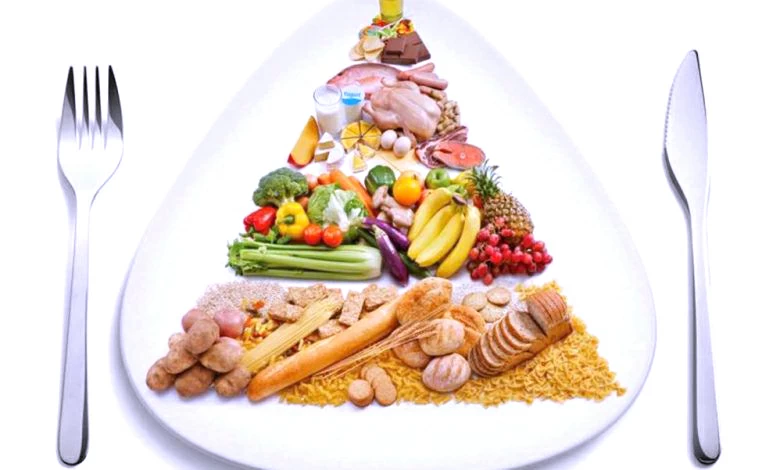
أعادت دراسات حديثة في علوم التغذية؛ من بينها مراجعات منشورة في مجلة The Lancet، طرح تساؤلات جوهرية حول دقة كثير من المعلومات الغذائية المتداولة عالمياً، مشيرة إلى أن بعض التوصيات الشائعة قد بُنيت على أدلة غير مكتملة أو تفسيرات مبسطة، ما أدى إلى ترسيخ مفاهيم قد لا تعكس الصورة العلمية الكاملة، خصوصاً فيما يتعلق بالدهون، والكربوهيدرات، وأنماط الحمية الغذائية.
التقارير أوضحت أن تضارب نتائج الدراسات، وتأثير المصالح التجارية، إضافة إلى التعميم المفرط، أسهمت في تشكيل فهم غير دقيق لدى الجمهور، ما يستدعي إعادة تقييم شاملة للمعايير الغذائية المعتمدة. ويرى مختصون أن التوجه الحالي يميل نحو توصيات أكثر تخصيصاً، تراعي الفروق الفردية والبيئية، بدل الاعتماد على نماذج موحدة، بما يعزز دقة الإرشادات الصحية ويقلل من التضليل الغذائي.
Recent studies in nutrition science, including reviews published in The Lancet, have raised fundamental questions about the accuracy of much of the nutritional information circulated globally. They indicate that some common recommendations may have been based on incomplete evidence or oversimplified interpretations, leading to the establishment of concepts that may not reflect the complete scientific picture, especially regarding fats, carbohydrates, and dietary patterns.
Reports have clarified that the conflicting results of studies, the influence of commercial interests, and excessive generalization have contributed to a misunderstanding among the public, necessitating a comprehensive reevaluation of the established nutritional standards. Experts believe that the current trend is leaning towards more personalized recommendations that take into account individual and environmental differences, rather than relying on standardized models, which enhances the accuracy of health guidelines and reduces nutritional misinformation.