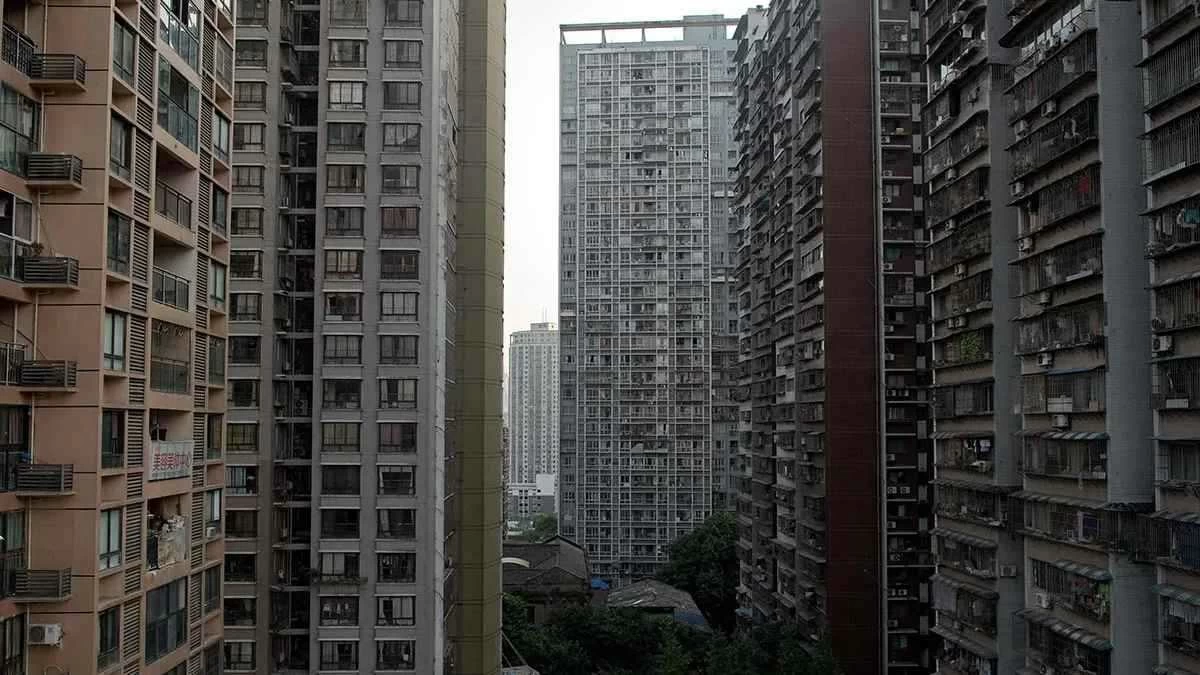
قررت السلطات الصينية حظر استخدام الشقق السكنية لتخزين رماد الموتى، فيما عُرف مؤخرًا بـ «شقق الرماد» أو «Bone-Ash Apartments».
في السنوات الأخيرة، لجأ بعض الصينيين إلى شراء شقق فارغة لوضع رماد أحبائهم المتوفين فيها، بدلاً من الاعتماد على المقابر التقليدية، وذلك نتيجة ارتفاع تكاليف الدفن مقارنة بأسعار العقارات المنخفضة نسبيًا.
مع ازدياد شيخوخة السكان وارتفاع معدلات الوفاة، بدأت هذه الظاهرة في الانتشار بشكل أكبر، وتحولت بعض الشقق إلى أماكن لإقامة مراسم تذكارية، بعيدًا عن المقابر المعتادة.
غالبًا ما كانت هذه الشقق مغلقة النوافذ ومسدلة الستائر، وتحتوي من الداخل على صور للمتوفين وصناديق الرماد، إلى جانب شموع تُستخدم في الطقوس التقليدية لتكريم الأجداد.
لماذا تدخلت الحكومة؟
دخلت قوانين جديدة حيز التنفيذ هذا الأسبوع تمنع بشكل صريح استخدام الوحدات السكنية لدفن أو تخزين الرماد، في خطوة تهدف إلى تنظيم الظاهرة ومنع تحويل الشقق إلى أماكن غير سكنية.
يأتي هذا القرار في ظل تغيّرات ديموغرافية كبيرة، إذ تجاوز عدد الوفيات عدد المواليد، ما زاد الضغط على خدمات الدفن ورفع تكاليفها إلى مستويات قياسية.
بدائل صديقة للبيئة
في المقابل، تشجع السلطات المواطنين على تبني بدائل مثل الدفن البيئي أو نثر الرماد في البحر، مع تقديم حوافز مالية لمن يختار هذه الطرق، خاصة في المدن الكبرى.
ومع ذلك، لا يزال كثير من الصينيين متمسكين بفكرة وجود مكان مادي لتكريم الموتى، معتبرين ذلك جزءًا لا يتجزأ من الثقافة والتقاليد، خصوصًا خلال مناسبات مثل «عيد تنظيف القبور».
The Chinese authorities have decided to ban the use of residential apartments for storing the ashes of the deceased, a phenomenon recently known as "Ash Apartments" or "Bone-Ash Apartments."
In recent years, some Chinese people have resorted to buying empty apartments to place the ashes of their deceased loved ones in, instead of relying on traditional cemeteries, due to the high costs of burial compared to relatively low property prices.
With the aging population and rising death rates, this phenomenon began to spread more widely, and some apartments turned into places for memorial ceremonies, away from the usual cemeteries.
These apartments were often closed with windows and curtains drawn, containing inside pictures of the deceased and urns, along with candles used in traditional rituals to honor ancestors.
Why did the government intervene?
New laws came into effect this week explicitly prohibiting the use of residential units for burying or storing ashes, in a move aimed at regulating the phenomenon and preventing apartments from being turned into non-residential spaces.
This decision comes amid significant demographic changes, as the number of deaths has surpassed the number of births, increasing pressure on burial services and raising their costs to record levels.
Eco-friendly alternatives
In contrast, the authorities encourage citizens to adopt alternatives such as eco-burials or scattering ashes at sea, offering financial incentives for those who choose these methods, especially in major cities.
However, many Chinese people still cling to the idea of having a physical place to honor the deceased, considering it an integral part of culture and traditions, especially during occasions like the "Tomb-Sweeping Day."