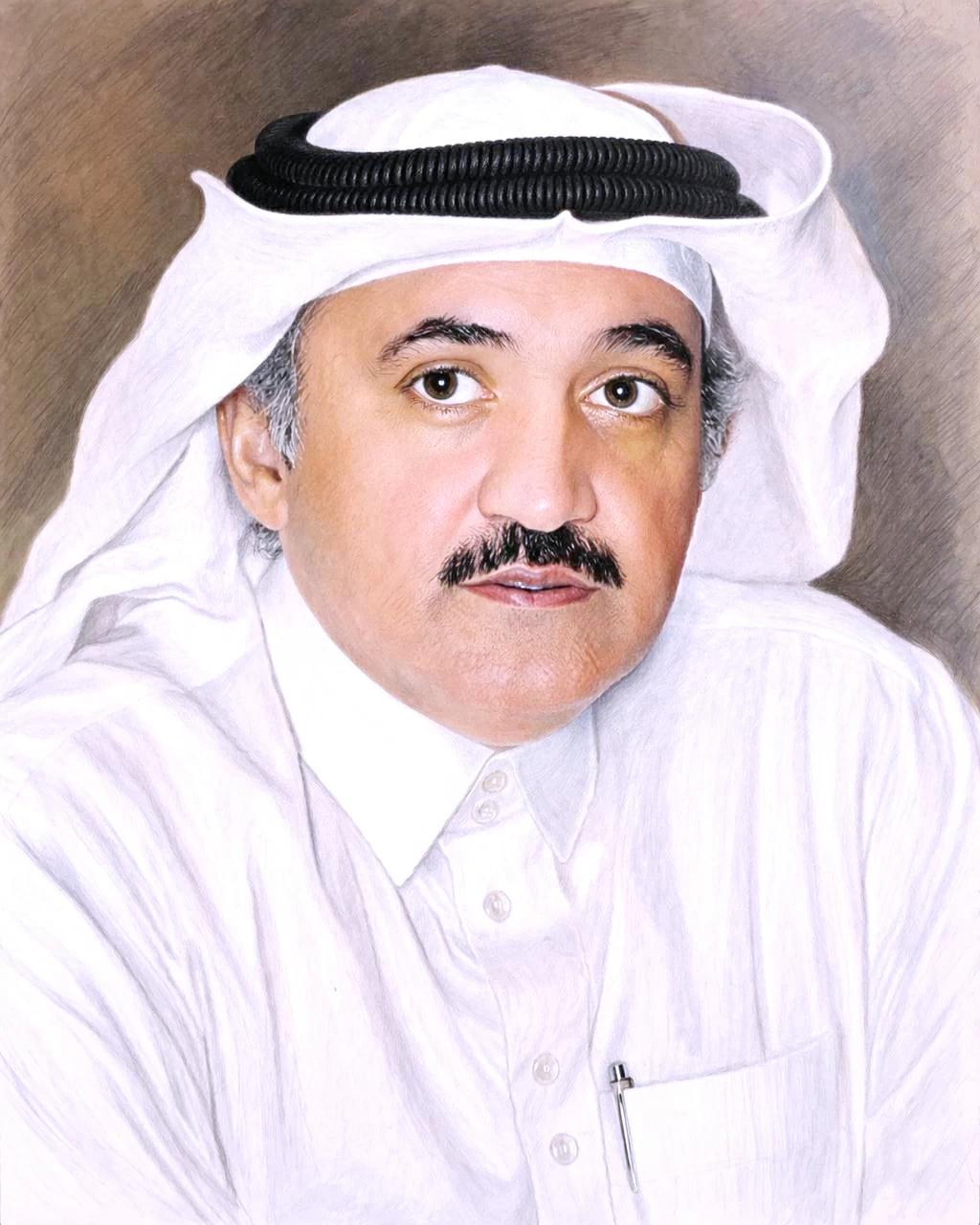
يتقدم اسم الإعلامي قينان الغامدي بوصفه أحد القلائل الذين صاغوا تجربتهم الصحفية عبر مسارين متوازيين هما ممارسة الميدان، وإدارة المهنة الإعلامية من موقع القيادة.
هذه الثنائية لم تكن مجرد تنقل وظيفي، بل بنية فكرية متماسكة، جعلت منه صحفياً يكتب بعين المراسل، ويدير بعقل المحلل، ويقود بمنطق صاحب المشروع.
انطلقت رحلته من مراسلة «عكاظ» في الطائف مطلع الثمانينيات، حيث تشكّلت حساسيته الأولى تجاه التفاصيل، وتكرّس لديه وعيٌ مبكر بأن الخبر ليس حدثاً عابراً، بل سياق يجب تفكيكه. ومع تدرجه في المناصب التحريرية لم يفقد هذه الصلة بالميدان، بل حملها معه إلى مواقع متقدمة، حتى أصبح أحد أبرز المسؤولين عن التحرير في «عكاظ»، قبل أن يتولى رئاسة تحرير «البلاد»، ثم يخطو إلى محطة أكثر تأثيراً حين اختير أول رئيس تحرير لصحيفة «الوطن»، وفيها لم يكن دوره تأسيسياً فحسب، بل تحويلي، إذ أسهم في بناء هوية تحريرية جديدة، قائمة على توسيع هامش النقاش، وطرح الأسئلة التي تتجاوز المألوف، وهو ما جعل الصحيفة في تلك المرحلة إحدى أكثر المنصات حضوراً وتأثيراً.
سنوات رئاسته للتحرير كشفت شخصية لم تر في المنصب سلطة إدارية، بل مسؤولية فكرية؛ فغرفة الأخبار لديه لم تكن مساحة لإدارة النصوص، بل مختبر لإعادة تشكيلها، وضبط إيقاعها مع تحولات المجتمع. ولذلك ارتبط اسمه بمحطات مفصلية في تطور الصحافة السعودية، ليس فقط من حيث المواقع التي قادها، بل من حيث الأثر الذي تركه في طريقة الكتابة نفسها.
وعندما تفرّغ للمقالة والتحليل السياسي بدا وكأنه ينتقل إلى ذروة رؤاه، حيث تحررت كتابته من قيود الإيقاع اليومي، واتجهت نحو تحليل أعمق، يستنطق الحدث، ويعيد قراءته ضمن شبكة أوسع.
خاض عبر مقاله معارك فكرية واضحة، مدفوعاً بقناعة راسخة بأن الصحافة لا تكتمل دون موقف، وأن الحياد في القضايا الكبرى شكل من أشكال الانسحاب.
تتشكل حول تجربته ملامح مدرسة صحفية قائمة على الجرأة، والانضباط، والقدرة على تحويل الكلمة إلى أداة تغيير.
قينان الغامدي، في خلاصته، ليس مجرد رئيس تحرير سابق، بل أحد الذين أسهموا في إعادة تعريف دور الصحفي ذاته، من ناقلٍ للخبر إلى صانعٍ للموقف.
The name of the media figure Qinan Al-Ghamdi stands out as one of the few who shaped his journalistic experience through two parallel paths: field practice and managing the media profession from a leadership position.
This duality was not merely a job transition, but a coherent intellectual structure that made him a journalist who writes with the eyes of a correspondent, manages with the mind of an analyst, and leads with the logic of a project owner.
His journey began as a correspondent for "Okaz" in Taif in the early 1980s, where his initial sensitivity to details was formed, and he developed an early awareness that news is not a fleeting event, but a context that must be deconstructed. As he progressed through editorial positions, he did not lose this connection to the field; rather, he carried it with him to advanced roles, eventually becoming one of the prominent editorial leaders at "Okaz," before taking over as editor-in-chief of "Al-Bilad," and then stepping into a more influential role when he was chosen as the first editor-in-chief of "Al-Watan." In this position, his role was not only foundational but transformative, as he contributed to building a new editorial identity based on expanding the margin of discussion and raising questions that go beyond the ordinary, which made the newspaper one of the most prominent and influential platforms during that period.
His years as editor-in-chief revealed a personality that did not see the position as merely an administrative authority, but as an intellectual responsibility; for him, the newsroom was not a space for managing texts, but a laboratory for reshaping them and adjusting their rhythm to the transformations of society. Therefore, his name is associated with pivotal moments in the development of Saudi journalism, not only in terms of the positions he led but also in terms of the impact he left on the very way of writing.
When he dedicated himself to writing articles and political analysis, it seemed as if he was reaching the peak of his visions, as his writing was liberated from the constraints of daily rhythm and moved towards deeper analysis, interrogating the event and re-reading it within a broader network.
Through his articles, he engaged in clear intellectual battles, driven by a firm conviction that journalism is incomplete without a stance, and that neutrality on major issues is a form of withdrawal.
A journalistic school characterized by boldness, discipline, and the ability to turn words into a tool for change is shaped around his experience.
In summary, Qinan Al-Ghamdi is not just a former editor-in-chief, but one of those who contributed to redefining the role of the journalist itself, from a news transmitter to a position maker.