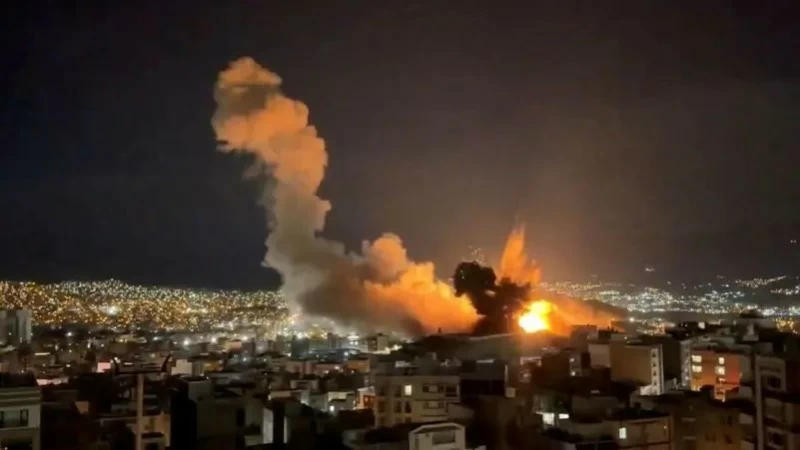
استغل صناع المحتوى على الإنترنت الحرب الإيرانية لإنتاج موجة غير مسبوقة من الفيديوهات المزيفة التي يولّدها الذكاء الاصطناعي لتحقيق أرباح ضخمة، مستفيدين من توافر أدوات إنتاج فيديوهات متقدمة وسهلة الاستخدام.
وفي تحليل حديث لـ«بي بي سي فيريفي»، كشف عن انتشار مقاطع وصور أقمار صناعية مُفبركة تُظهر صواريخ تضرب إسرائيل والخليج، وحصدت هذه المقاطع مئات الملايين من المشاهدات عبر منصات التواصل الاجتماعي، ما أثار مخاوف من التضليل المعلوماتي والتأثير على الرأي العام.
وأكد خبراء الإعلام الرقمي أن العملية أصبحت سهلة جداً، فما كان يتطلب سابقاً فريقاً محترفاً وساعات إنتاج يمكن إنجازه الآن في دقائق باستخدام أدوات الذكاء الاصطناعي التوليدي مثل Veo وغروك وSora.
وحتى الآن، أعلنت منصة «إكس» تعليق تحقيق الدخل مؤقتاً على أي محتوى يُظهر صراعات مسلحة مولدة بالذكاء الاصطناعي دون وضع علامة تبين أنها مزيفة، لكنها تواجه صعوبة بالغة في الحد من انتشار الفيديوهات المزيفة سريعاً.
ومن الأمثلة الصادمة:
- فيديو يُظهر صواريخ تضرب تل أبيب، ظهر في أكثر من 300 منشور ثم تمت مشاركته عشرات آلاف المرات.
- فيديو آخر يُظهر برج خليفة في دبي يشتعل وسط حشد من الناس، رغم كونه مولّداً بالكامل بالذكاء الاصطناعي.
- صور أقمار صناعية مفبركة تظهر أضراراً في قاعدة أمريكية، مستندة جزئياً إلى صور حقيقية قديمة.
وحذر خبراء التحليل والتحقق من تأثير هذه الفيديوهات على ثقة الجمهور بالمعلومات الصحيحة، مؤكدين أن تحقيق الربح السريع من المشاهدات والإعجابات يجعل من الصعب الحد من انتشار التضليل الرقمي، وأن الحلول التقنية الحالية غير كافية لمواجهة هذه الظاهرة.
Content creators on the internet have exploited the Iranian war to produce an unprecedented wave of fake videos generated by artificial intelligence to achieve massive profits, benefiting from the availability of advanced and easy-to-use video production tools.
A recent analysis by "BBC Verify" revealed the spread of fabricated satellite clips and images showing missiles hitting Israel and the Gulf, which garnered hundreds of millions of views across social media platforms, raising concerns about misinformation and its impact on public opinion.
Digital media experts confirmed that the process has become very easy; what previously required a professional team and hours of production can now be accomplished in minutes using generative AI tools like Veo, Grok, and Sora.
So far, the platform "X" has announced a temporary suspension of monetization on any content showing AI-generated armed conflicts without a label indicating that it is fake, but it faces significant challenges in curbing the rapid spread of fake videos.
Some shocking examples include:
- A video showing missiles hitting Tel Aviv, which appeared in over 300 posts and was shared tens of thousands of times.
- Another video showing the Burj Khalifa in Dubai on fire amidst a crowd of people, despite being entirely AI-generated.
- Fabricated satellite images showing damage at a U.S. base, partially based on old real images.
Analysis and verification experts warned about the impact of these videos on public trust in accurate information, emphasizing that the pursuit of quick profits from views and likes makes it difficult to curb the spread of digital misinformation, and that current technical solutions are insufficient to address this phenomenon.