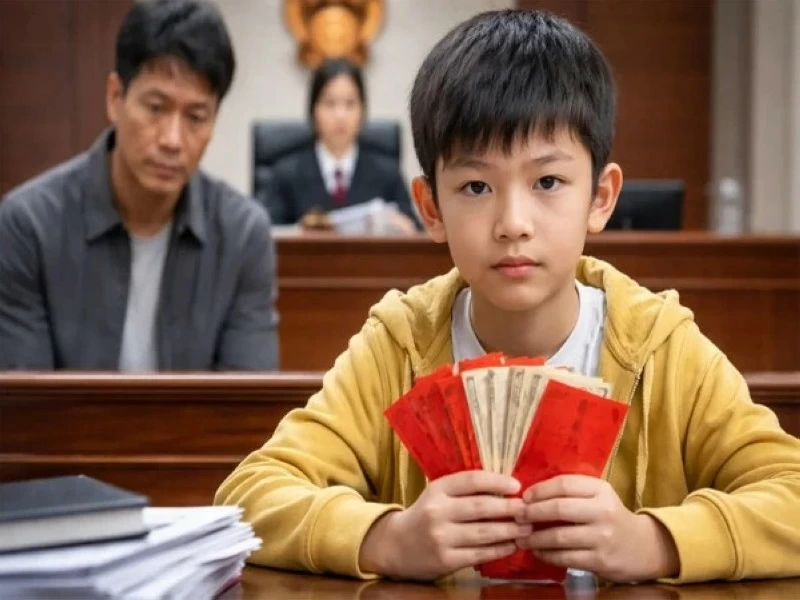
أثارت قضية طفل صيني، يدعى شياو هوي، البالغ من العمر 10 سنوات، من مدينة تشنغتشو بمقاطعة خنان شمال الصين، غضباً واسعاً على وسائل التواصل الاجتماعي في الصين، إذ اضطر الطفل إلى رفع دعوى قضائية ضد والده لاستعادة مدخراته الشخصية التي بلغت أكثر من 80000 يوان (نحو 11700 دولار أمريكي)، بعد أن سحبها الأب دون إذنه وأنفقها على تكاليف زواجه الثاني.
قصة أموال الظرف الأحمر
نشأت القضية، بحسب تقارير إعلامية صينية، بعد طلاق والدي شياو هوي قبل عامين، إذ استمر الطفل في العيش مع والده، وكان الأب فتح حساباً بنكياً باسم الطفل، ويودع فيه بانتظام «أموال الظرف الأحمر» (هونغباو أو الليسي) التي يتلقاها الطفل خلال احتفالات السنة القمرية الجديدة من الأقارب والأصدقاء، وتراكمت هذه المبالغ على مر السنين لتصل إلى مبلغ كبير نسبياً لطفل في سن شياو هوي.
الأب يسحب أموال طفله
لاحقاً، التقى الأب بامرأة أخرى وقرر الزواج مجدداً، فأرسل الطفل للعيش مع والدته، واكتشفت الأم أن الأب سحب كامل المبلغ من الحساب (82750 يواناً شاملاً الفوائد) واستخدمه لتغطية نفقات الزفاف، دون موافقة الطفل.
دعوى قضائية ضد الأب
عندما واجه شياو هوي والده وطالب بإعادة أمواله، رفض الأب، مدعياً أن المال جاء معظمه من أقاربه وأصدقائه، وأنه ينوي إعادته فقط عندما يبلغ الطفل سن الرشد، وبعد محاولات عديدة للإقناع دون جدوى، رفع الطفل دعوى قضائية ضد والده.
وحاول الأب خلال المحاكمة الدفاع عن نفسه، مدعياً أنه كولي أمر يحق له إدارة أموال الطفل كما يراه مناسباً، وأن الدعوى كلها مدبرة من قبل الأم. لكن المحكمة رفضت هذه الحجج.
المحكمة تنتصر للصبي
وفي حكمها، أكدت المحكمة أن «أموال الظرف الأحمر» تعتبر ملكية شخصية للطفل، وأن الأب -رغم كونه الولي القانوني- تجاوز حدوده بانتهاك حقوق الطفل في ممتلكاته، وأمرت المحكمة الأب بإعادة كامل المبلغ مع الفوائد، أي 82750 يواناً (نحو 12060 دولاراً أمريكياً).
وأثارت القضية نقاشاً واسعاً على مواقع التواصل الاجتماعي في الصين، إذ اعتبر الكثيرون أن الحكم يعزز حقوق الأطفال في ممتلكاتهم الشخصية، ويذكّر الآباء بأن دورهم الرعائي لا يمنحهم حق التصرف التعسفي في أموال أبنائهم.
The case of a 10-year-old Chinese boy named Xiao Hui from Zhengzhou, Henan Province in northern China, has sparked widespread outrage on social media in China, as the child was forced to sue his father to recover his personal savings, which amounted to over 80,000 yuan (about 11,700 USD), after the father withdrew the money without his permission and spent it on the costs of his second marriage.
The Story of the Red Envelope Money
The case arose, according to Chinese media reports, after Xiao Hui's parents divorced two years ago. The child continued to live with his father, who had opened a bank account in the child's name and regularly deposited "red envelope money" (hongbao or lisi) that the child received during Lunar New Year celebrations from relatives and friends. This money accumulated over the years to reach a relatively large amount for a child of Xiao Hui's age.
The Father Withdraws His Child's Money
Later, the father met another woman and decided to marry again, sending the child to live with his mother. The mother discovered that the father had withdrawn the entire amount from the account (82,750 yuan including interest) and used it to cover wedding expenses, without the child's consent.
Lawsuit Against the Father
When Xiao Hui confronted his father and demanded the return of his money, the father refused, claiming that most of the money came from his relatives and friends, and that he intended to return it only when the child reached adulthood. After numerous unsuccessful attempts to persuade him, the child filed a lawsuit against his father.
During the trial, the father tried to defend himself, claiming that as the legal guardian, he had the right to manage the child's money as he saw fit, and that the entire lawsuit was orchestrated by the mother. However, the court rejected these arguments.
The Court Rules in Favor of the Boy
In its ruling, the court affirmed that the "red envelope money" is considered the child's personal property, and that the father, despite being the legal guardian, overstepped his boundaries by violating the child's rights to his property. The court ordered the father to return the full amount with interest, totaling 82,750 yuan (about 12,060 USD).
The case has sparked extensive discussion on social media in China, as many believe that the ruling reinforces children's rights to their personal property and reminds parents that their guardianship role does not grant them the right to arbitrarily manage their children's money.