كشف علماء عن اكتشاف بكتيريا ظلت محبوسة داخل كهف جليدي لمدة تقارب خمسة آلاف عام، وتبيّن أنها مقاومة لعدد من المضادات الحيوية الحديثة، في نتيجة علمية تفتح بابًا جديدًا لفهم تطوّر مقاومة الأدوية عبر التاريخ.
بكتيريا داخل كهف روماني
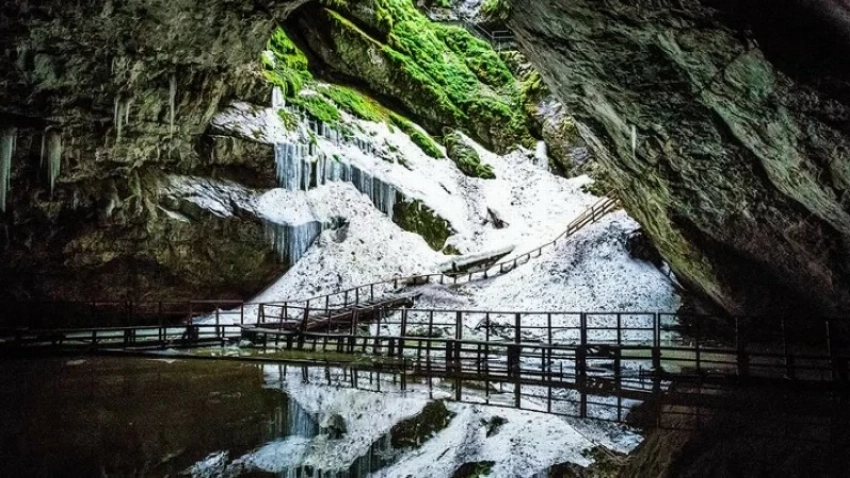
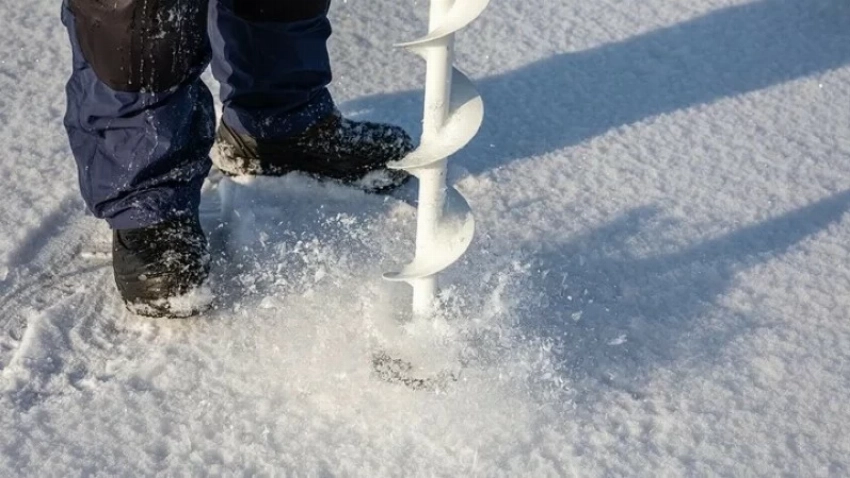
وعُثر على البكتيريا داخل كهف سكاريشوارا الجليدي في رومانيا، حيث قام الباحثون بحفر لبّ جليدي بعمق 25 مترًا، يمثل نحو 13 ألف عام من التاريخ المتجمد، ونُشرت نتائج الدراسة في مجلة Frontiers in Microbiology العلمية المتخصصة.
ولتفادي أي تلوث محتمل، جرى حفظ عينات الجليد ونقلها إلى المختبر وهي في حالتها المتجمدة، ومن هذه العينات، تمكن العلماء من عزل سلالة بكتيرية أُطلق عليها اسم Psychrobacter SC65A.3.
مقاومة لمضادات حيوية
ورغم عمرها الذي يعود إلى آلاف السنين، أظهرت السلالة مقاومة لعشرة مضادات حيوية تُستخدم حاليًا لعلاج التهابات خطيرة، من بينها الريفامبيسين والفانكومايسين والسيبروفلوكساسين.
وأكدت كريستينا بوركاريا، العالمة البارزة في معهد علم الأحياء في بوخارست التابع للأكاديمية الرومانية في بوخارست، أن هذه المضادات تُستخدم على نطاق واسع في العلاجات الفموية والحقنية لمعالجة طيف واسع من الالتهابات البكتيرية الخطيرة في الممارسة السريرية.
واختبر الباحثون السلالة القديمة ضد 28 مضادًا حيويًا تنتمي إلى 10 فئات دوائية مختلفة، ليكتشفوا أكثر من 100 جين مرتبط بمقاومة المضادات الحيوية، كما أظهرت البكتيريا مقاومة لأدوية أخرى مثل تريميثوبريم وكليندامايسين وميترونيدازول، وهي عقاقير تُستخدم في علاج التهابات الرئة والمسالك البولية والجلد والجهاز التناسلي.
ماذا تعني هذه النتائج؟
وتشير النتائج إلى أن مقاومة المضادات الحيوية ليست ظاهرة حديثة نتجت فقط عن الإفراط في استخدام الأدوية، بل هي سمة طبيعية تطورت في البيئة منذ آلاف السنين، أي قبل وقت طويل من اكتشاف الإنسان للمضادات الحيوية الحديثة.
وأوضحت بوركاريا أن دراسة كائنات دقيقة محفوظة في بيئات قديمة مثل الكهوف الجليدية تساعد العلماء على فهم الكيفية التي تطورت بها آليات المقاومة طبيعيًا في الطبيعة.
تحديات متزايدة
ورغم أهمية الاكتشاف، شدد الباحثون على أن الدراسة تناولت سلالة بكتيرية واحدة من عينة واحدة فقط، ولا يوجد أي دليل على أن هذه البكتيريا القديمة تُصيب البشر حاليًا أو تنتشر بينهم.
كما أشار خبراء إلى أن بكتيريا Psychrobacter تُعد بكتيريا بيئية، ولا تخضع لما يُعرف بـ«المعايير السريرية الفاصلة» التي يستخدمها الأطباء لتحديد ما إذا كانت البكتيريا مقاومة رسميًا للمضادات الحيوية، وبالتالي لا يمكن تصنيفها بالطريقة نفسها التي تُصنف بها البكتيريا الخطيرة في المستشفيات.
ومع ذلك، يسلط الاكتشاف الضوء على جذور ظاهرة مقاومة المضادات الحيوية، ويعزز الفهم العلمي لتاريخها العميق في الطبيعة، في وقت يواجه فيه العالم تحديات متزايدة بسبب انتشار البكتيريا المقاومة للأدوية.
Scientists have revealed the discovery of bacteria that have been trapped inside an ice cave for nearly five thousand years, which have been found to be resistant to several modern antibiotics, in a scientific result that opens a new door to understanding the evolution of drug resistance throughout history.
Bacteria Inside a Romanian Cave
The bacteria were found inside the Scarisoara ice cave in Romania, where researchers drilled an ice core 25 meters deep, representing about 13,000 years of frozen history. The results of the study were published in the scientific journal Frontiers in Microbiology.
To avoid any potential contamination, ice samples were preserved and transported to the laboratory in their frozen state, from which scientists were able to isolate a bacterial strain named Psychrobacter SC65A.3.
Resistance to Antibiotics
Despite its age of thousands of years, the strain showed resistance to ten antibiotics currently used to treat serious infections, including rifampicin, vancomycin, and ciprofloxacin.
Kristina Burcaria, a prominent scientist at the Institute of Biology in Bucharest, part of the Romanian Academy in Bucharest, confirmed that these antibiotics are widely used in oral and injectable treatments for a broad spectrum of serious bacterial infections in clinical practice.
The researchers tested the ancient strain against 28 antibiotics belonging to 10 different drug classes, discovering more than 100 genes associated with antibiotic resistance. The bacteria also showed resistance to other drugs such as trimethoprim, clindamycin, and metronidazole, which are used in the treatment of lung, urinary tract, skin, and reproductive system infections.
What Do These Results Mean?
The results indicate that antibiotic resistance is not a recent phenomenon resulting solely from the overuse of drugs, but rather a natural characteristic that has evolved in the environment over thousands of years, long before humans discovered modern antibiotics.
Burcaria explained that studying microorganisms preserved in ancient environments such as ice caves helps scientists understand how resistance mechanisms have naturally evolved in nature.
Increasing Challenges
Despite the significance of the discovery, researchers emphasized that the study focused on a single bacterial strain from just one sample, and there is no evidence that this ancient bacteria currently infects humans or spreads among them.
Experts also pointed out that Psychrobacter bacteria are considered environmental bacteria and do not fall under what is known as "clinical breakpoints" used by doctors to determine whether bacteria are officially resistant to antibiotics, and thus cannot be classified in the same way as dangerous bacteria in hospitals.
Nevertheless, the discovery sheds light on the roots of the antibiotic resistance phenomenon and enhances scientific understanding of its deep history in nature, at a time when the world faces increasing challenges due to the spread of drug-resistant bacteria.