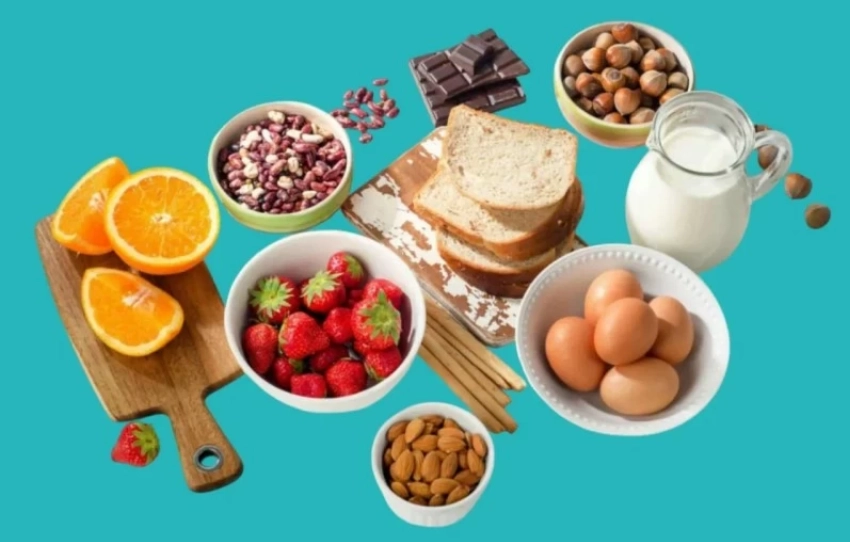
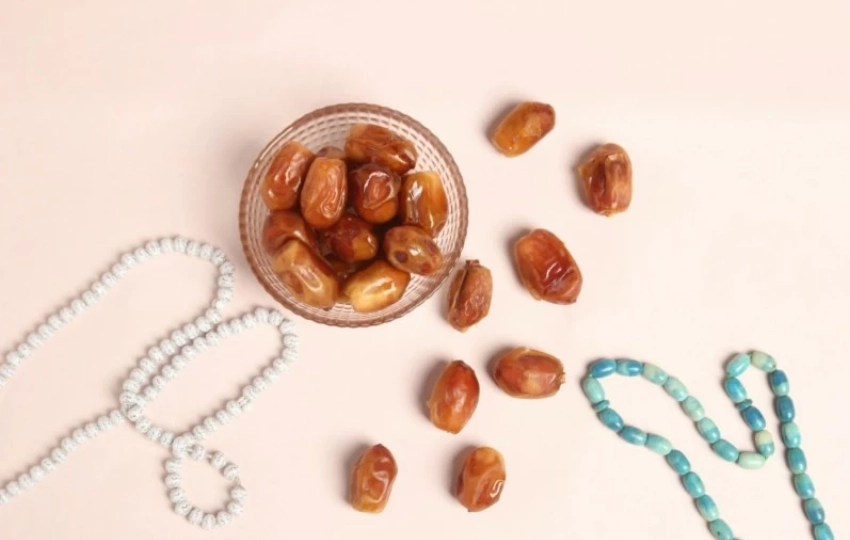
يواجه مرضى القولون العصبي تحديات خاصة في شهر رمضان المبارك بسبب تغير مواعيد الطعام، الإفراط في بعض الأطعمة، والسهر الطويل، مما قد يزيد من أعراض الانتفاخ، الغازات، التقلصات، الإسهال أو الإمساك، ولكن مع اتباع نظام غذائي مدروس ونصائح بسيطة، يمكن لمعظمهم الصيام بأمان وراحة نسبية. وفقاً لتوصيات أطباء الجهاز الهضمي وأخصائيي التغذية هناك مجموعة من النصائح لنظام غذائي موصى صحي وآمن
أفضل نظام غذائي لمرضى القولون في رمضان - التركيز على نظام منخفض الفودماب (السكريات قليلة التخمر، والسكريات الثنائية، والسكريات الأحادية، والبوليولات) قدر الإمكان، مع تعديل تدريجي حسب استجابة الجسم. - تقسيم الوجبات إلى كميات صغيرة ومتكررة بدلاً من وجبة واحدة كبيرة. - البدء ببطء عند الإفطار لإعطاء المعدة فرصة التكيف بعد ساعات الصيام الطويلة. - شرب كميات كافية من الماء (يفضل 2-3 لتر موزعة بين الإفطار والسحور) على فترات متباعدة.
أطعمة صديقة للقولون ينصح عند الإفطار بتناول 1 إلى 3 تمرات بالإضافة إلى كوب ماء أو شوربة خضار دافئة خفيفة (عدس أو خضار مطبوخة)، بروتين خفيف (سمك مشوي، دجاج مسلوق أو مشوي، بيض مسلوق)، كربوهيدرات سهلة (أرز أبيض، بطاطس مسلوقة، خبز أبيض أو توست، شوفان بكميات معتدلة)، وكذلك خضروات مطبوخة (كوسا، جزر، بطاطس). أما عند السحور فيُنصح بتناول زبادي خالي اللاكتوز أو يوناني قليل الدسم، جبن قريش أو جبنة بيضاء قليلة الملح، شوفان مع موز أو فراولة، بيض مسلوق وخبز محمص. كما يُفضل تناول مشروبات مهدئة مثل: نعناع، يانسون، كراوية، شمر، زنجبيل خفيف، بابونج للمساعدة على تهدئة التقلصات والانتفاخ. ممنوعات يجب تجنبها أو تقليلها بشدة - الأطعمة الدسمة والمقلية (سمبوسك، كفتة مقلية، بطاطس مقلية، مكرونة بالبشاميل). - البقوليات الثقيلة (فول، حمص، عدس بكميات كبيرة، فول مدمس، طعمية، كشري). - الخضروات المنتجة للغازات (بصل نيء، ثوم نيء، ملفوف، قرنبيط، بروكلي، فاصوليا خضراء). - منتجات الألبان العادية (حليب كامل الدسم، جبنة قديمة، آيس كريم) – استبدل بخالي اللاكتوز. - المشروبات الغازية، العصائر المصنعة، القهوة والشاي بكثرة (الكافيين يهيج القولون). - الحلويات الغنية بالسكر أو الدهون (كنافة، بسبوسة، آيس كريم، شوكولاتة). - التوابل الحارة، الخل، الليمون بكثرة، المخللات. - المكسرات بكميات كبيرة (خاصة الفستق والكاجو). نصائح عامة لتقليل الأعراض في رمضان - امضغ الطعام جيدًا وببطء. - لا تفرط في الأكل بعد الإفطار مباشرة؛ انتظر 30 - 60 دقيقة ثم تناول الوجبة الرئيسية. - مارس المشي الخفيف بعد الإفطار (يساعد على تنظيم الحركة المعوية). - احرص على نوم كافٍ (7 ساعات على الأقل) وتقليل السهر. - ابتعد عن التوتر قدر الإمكان (التوتر يفاقم أعراض القولون العصبي).
Patients with irritable bowel syndrome face specific challenges during the holy month of Ramadan due to changes in meal times, overeating certain foods, and long nights, which may increase symptoms of bloating, gas, cramps, diarrhea, or constipation. However, by following a well-planned diet and simple tips, most of them can fast safely and with relative comfort. According to the recommendations of gastroenterologists and nutritionists, there is a set of tips for a recommended healthy and safe diet.
The Best Diet for Colon Patients During Ramadan - Focus on a low-FODMAP diet (fermentable oligosaccharides, disaccharides, monosaccharides, and polyols) as much as possible, with gradual adjustments based on the body's response. - Divide meals into small, frequent portions instead of one large meal. - Start slowly at iftar to give the stomach a chance to adjust after long hours of fasting. - Drink adequate amounts of water (preferably 2-3 liters distributed between iftar and suhoor) at spaced intervals.
Colon-Friendly Foods It is recommended at iftar to consume 1 to 3 dates along with a cup of water or a light warm vegetable soup (lentils or cooked vegetables), light protein (grilled fish, boiled or grilled chicken, boiled eggs), easy carbohydrates (white rice, boiled potatoes, white bread or toast, oats in moderate amounts), as well as cooked vegetables (zucchini, carrots, potatoes). For suhoor, it is advised to eat lactose-free yogurt or low-fat Greek yogurt, cottage cheese or low-salt white cheese, oats with banana or strawberries, boiled eggs, and toasted bread. It is also preferable to consume soothing drinks such as: mint, anise, caraway, fennel, light ginger, chamomile to help calm cramps and bloating. Prohibited Foods to Avoid or Minimize - Fatty and fried foods (samosas, fried kofta, French fries, pasta with béchamel). - Heavy legumes (fava beans, chickpeas, lentils in large amounts, foul medames, ta'ameya, koshari). - Gas-producing vegetables (raw onions, raw garlic, cabbage, cauliflower, broccoli, green beans). - Regular dairy products (whole milk, aged cheese, ice cream) – replace with lactose-free options. - Soft drinks, processed juices, coffee, and tea in excess (caffeine irritates the colon). - Sweets rich in sugar or fat (kunafa, basbousa, ice cream, chocolate). - Spicy seasonings, vinegar, excessive lemon, pickles. - Nuts in large quantities (especially pistachios and cashews). General Tips to Reduce Symptoms During Ramadan - Chew food well and slowly. - Do not overeat immediately after iftar; wait 30 - 60 minutes before having the main meal. - Engage in light walking after iftar (helps regulate bowel movement). - Ensure adequate sleep (at least 7 hours) and reduce staying up late. - Avoid stress as much as possible (stress exacerbates irritable bowel syndrome symptoms).