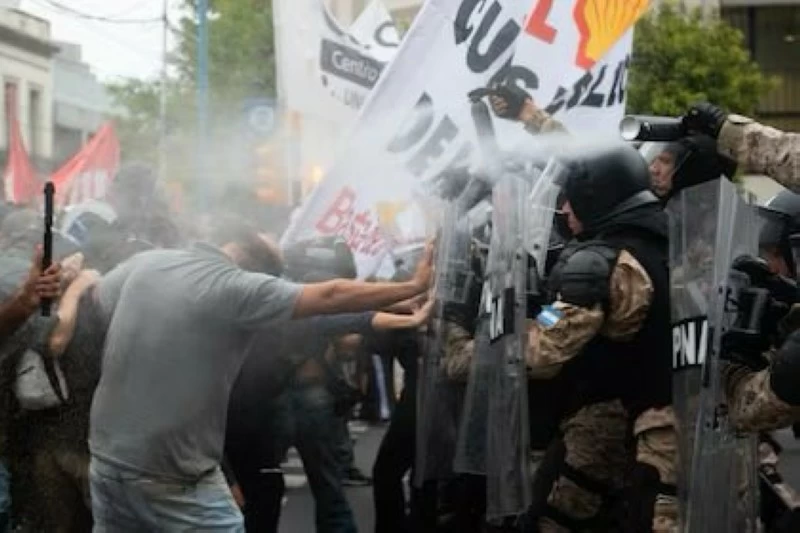
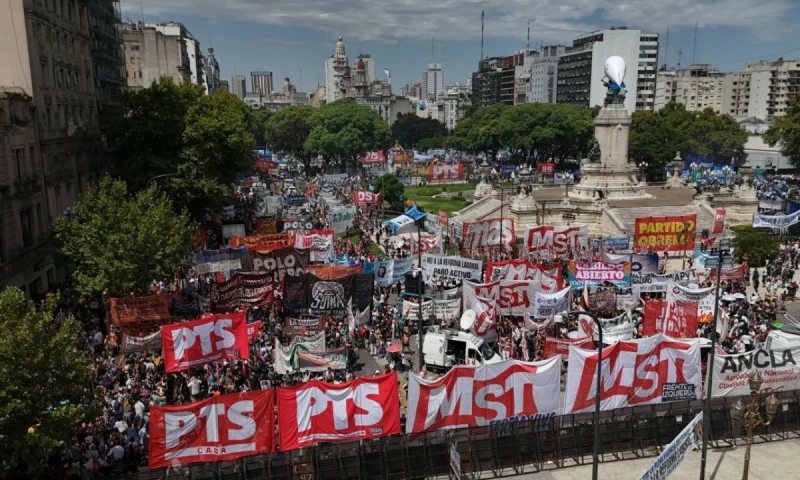
دخلت الأرجنتين اليوم (الخميس) في حالة شلل جزئي واسع النطاق؛ بسبب إضراب عام وطني لمدة 24 ساعة، هو الرابع منذ تولي الرئيس الليبرتاري خافيير مايلي السلطة في ديسمبر 2023، دعا إليه الاتحاد العام للعمال، أكبر منظمة نقابية في البلاد، بالإضافة إلى جبهة النقابات الموحدة، احتجاجاً على مشروع الإصلاح العمالي المثير للجدل الذي يناقشه مجلس النواب اليوم.
وانضمت نقابات النقل العام بشكل كبير إلى الإضراب، مما أدى إلى إلغاء 255 رحلة جوية داخلية وإقليمية ودولية، وتأثر أكثر من 31 ألف مسافر، وفقاً لما أعلنته شركة أيرولينياس أرجنتيناس الناقل الوطني.
وأكدت شركات أخرى مثل JetSMART تأثراً مشابهاً، مع توقعات بأن يصل عدد الرحلات المتضررة إلى أكثر من 350-400 عملية في بعض التقديرات.
في الوقت نفسه، توقفت عمليات الشحن والتفريغ في ميناء روزاريو، أحد أكبر مراكز تصدير المنتجات الزراعية في العالم خاصة فول الصويا والذرة والقمح، بعد انضمام اتحاد العمال البحري والنهري إلى إضراب قطاعي بدأ منذ الأربعاء لمدة 48 ساعة.
ويُعد ميناء روزاريو نقطة حيوية للاقتصاد الأرجنتيني، حيث يُصدر منه نسبة كبيرة من الحبوب التي تغذي الأسواق العالمية، وتوقفه يهدد بتأخير كبير في الشحنات الزراعية.
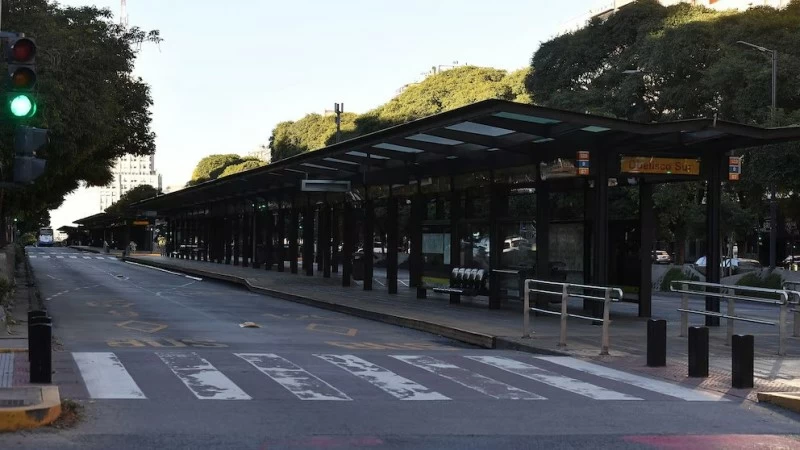
وشمل الإضراب أيضاً قطاعات أخرى مثل السكك الحديدية توقف معظم خطوط الضواحي في بوينوس آيرس، الحافلات، البنوك، بعض الخدمات العامة، والتجارة في مناطق واسعة، مما جعل شوارع العاصمة والمدن الكبرى شبه خالية من الحركة المعتادة.
يأتي الإضراب كرد فعل مباشر على مشروع الإصلاح العمالي الذي أقره مجلس الشيوخ الأسبوع الماضي، ويُنتظر أن يُصوت عليه مجلس النواب اليوم، ويهدف المشروع إلى جذب الاستثمارات وتحفيز النمو الاقتصادي من خلال تقليص التعويضات عن الفصل، وتمديد ساعات العمل اليومية إلى 12 ساعة في بعض الحالات، وتقليص بعض الإجازات والحقوق العمالية التقليدية.
وتصف النقابات هذه التعديلات بأنها «تراجعية» و«مناهضة للدستور»، وتتهم الحكومة بمحاولة «إعادة الأرجنتين إلى نموذج العمل الرخيص والاستغلالي»، في المقابل، يرى الرئيس مايلي أن الإصلاح ضروري لإنعاش الاقتصاد الذي يعاني من تضخم مزمن وانكماش، وجذب رؤوس الأموال الأجنبية بعد سنوات من الركود.
ويُعد هذا الإضراب الرابع من نوعه خلال أقل من عامين ونصف من حكم مايلي، بعد إضرابات سابقة ردّاً على سياسات التقشف الشديدة، خفض الإنفاق العام، وإلغاء الدعم الحكومي للعديد من القطاعات، ورغم الضغط النقابي المتزايد، يصر الرئيس على أن «لا تراجع» عن الإصلاحات، معتبراً أنها الطريق الوحيد للخروج من الأزمة الاقتصادية.
Argentina entered a state of widespread partial paralysis today (Thursday) due to a nationwide general strike lasting 24 hours, the fourth since libertarian President Javier Milei took office in December 2023. This strike was called by the General Workers' Union, the largest labor organization in the country, along with the United Trade Unions Front, in protest against the controversial labor reform project being discussed by the House of Representatives today.
Public transport unions significantly joined the strike, leading to the cancellation of 255 domestic, regional, and international flights, affecting more than 31,000 passengers, according to the national carrier Aerolíneas Argentinas.
Other companies like JetSMART confirmed similar impacts, with expectations that the number of affected flights could exceed 350-400 in some estimates.
At the same time, loading and unloading operations at the Port of Rosario, one of the largest agricultural export centers in the world, especially for soybeans, corn, and wheat, came to a halt after the maritime and river workers' union joined a sectoral strike that began on Wednesday for 48 hours.
The Port of Rosario is a vital point for the Argentine economy, as a large percentage of the grains that feed global markets are exported from there, and its stoppage threatens to cause significant delays in agricultural shipments.
The strike also included other sectors such as railways, with most suburban lines in Buenos Aires halted, as well as buses, banks, some public services, and commerce in wide areas, making the streets of the capital and major cities nearly devoid of usual activity.
The strike comes as a direct reaction to the labor reform project approved by the Senate last week, which is expected to be voted on by the House of Representatives today. The project aims to attract investments and stimulate economic growth by reducing severance pay, extending daily working hours to 12 hours in some cases, and cutting some traditional leave and labor rights.
Unions describe these amendments as "regressive" and "anti-constitutional," accusing the government of trying to "return Argentina to a model of cheap and exploitative labor." In contrast, President Milei sees the reform as essential to revive an economy suffering from chronic inflation and contraction, and to attract foreign capital after years of stagnation.
This is the fourth strike of its kind during less than two and a half years of Milei's rule, following previous strikes in response to severe austerity policies, cuts in public spending, and the elimination of government support for many sectors. Despite the increasing union pressure, the president insists that there will be "no retreat" from the reforms, considering them the only way out of the economic crisis.