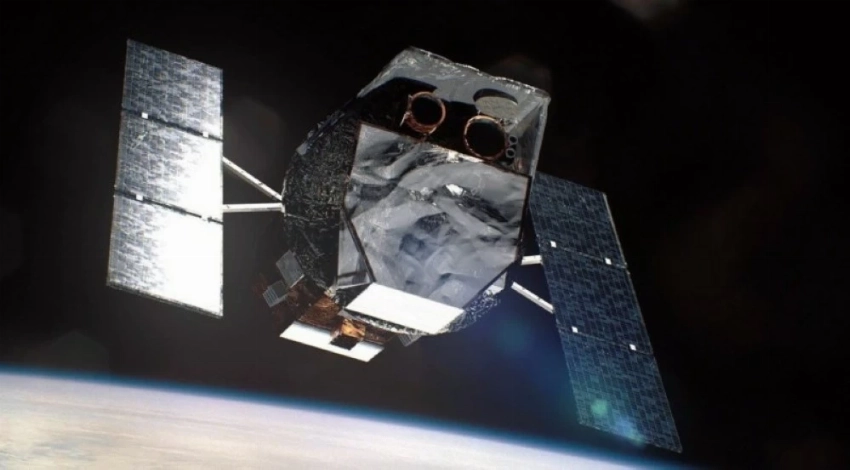
في خطوة غير مسبوقة لإطالة عمر مهمة فضائية عمرها أكثر من عقدين، أعلنت وكالة ناسا تعليق معظم العمليات العلمية لمرصد «سويفت»، وهو التلسكوب الفضائي المتخصص في رصد انفجارات أشعة غاما، وذلك في محاولة لإبطاء انحدار مداره ومنع سقوطه السريع نحو الغلاف الجوي للأرض.
وأوضحت «ناسا» في بيان رسمي أن المرصد الذي يبلغ عمره الآن 21 عاماً يعاني من تدهور سريع في ارتفاع مداره بسبب زيادة النشاط الشمسي خلال الدورة الشمسية 25، والتي تؤدي إلى «انتفاخ» الطبقات العليا من الغلاف الجوي وزيادة مقاومة السحب الجوي.
وانخفض متوسط ارتفاع المرصد إلى أقل من 400 كيلومتر في بداية فبراير 2026، مما يعني أنه بدون تدخل كان سيواجه احتمالاً يصل إلى 90% للدخول غير المتحكم فيه إلى الغلاف الجوي بنهاية العام نفسه، ليحترق بالكامل أثناء السقوط.
إنقاذ المرصد بدلاً من التخلي عنه
ورغم أن الحرق الكامل سيجعل المخاطر على الأرض شبه معدومة بسبب كتلة المرصد البالغة نحو 1.4 طن فقط، إلا أن «ناسا» اختارت طريقاً أكثر طموحاً وإنقاذ المرصد بدلاً من التخلي عنه.
وتعاقدت الوكالة مع شركة أمريكية في ولاية أريزونا الأمريكية بعقد قيمته 30 مليون دولار لتنفيذ مهمة إعادة رفع المدار باستخدام مركبة روبوتية تُدعى «لينك» ومن المتوقع إطلاق هذه المهمة الرائدة في صيف 2026، لترفع سويفت إلى مدار أعلى وأكثر استقراراً حوالى 600 كم، مما قد يمنحه سنوات إضافية من العمل العلمي.
وخلال فترة التعليق الحالية، سيستمر جهاز كشف انفجارات أشعة غاما في العمل للتنبيه على الانفجارات الكونية، لكن المرصد لن يقوم بعد الآن بالتحرك السريع نحو الأهداف باستخدام التلسكوبين الآخرين أشعة إكس وفوق البنفسجية/مرئية، وذلك للحفاظ على اتجاه ثابت يقلل من مقاومة الغلاف الجوي إلى أقصى حد ممكن، ويشتري الوقت اللازم حتى وصول مهمة الإنقاذ.
مهمة تاريخية
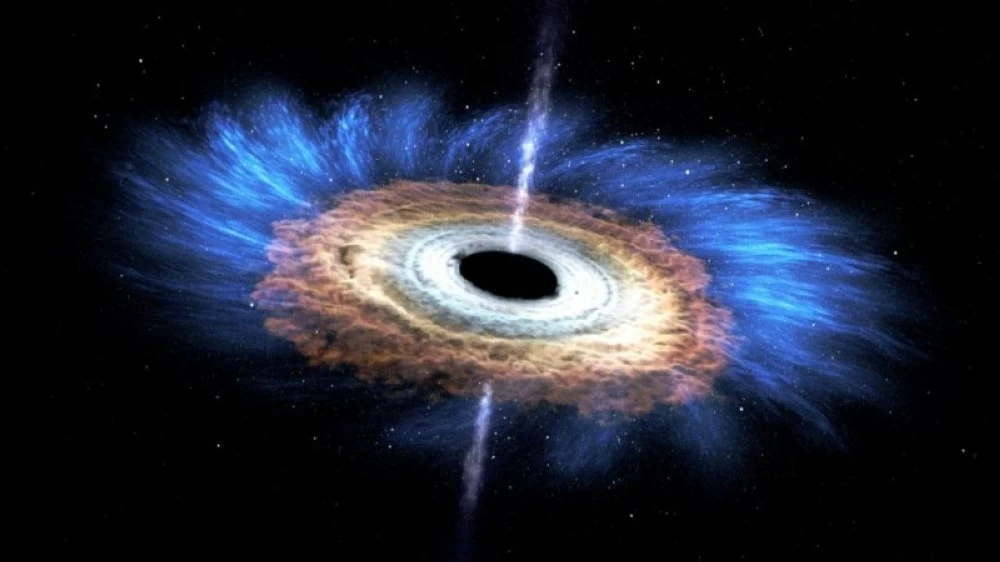
وأُطلق مرصد سويفت في 20 نوفمبر 2004 على متن صاروخ دلتا، وهو مصمم خصيصاً للاستجابة السريعة لانفجارات أشعة غاما وهي أقوى الانفجارات المعروفة في الكون منذ الانفجار العظيم.
وبفضل قدرته على التوجيه السريع خلال ثوانٍ، ساهم سويفت في اكتشاف مئات الانفجارات، وربطها بظواهر مثل انهيار النجوم العملاقة واندماج النجوم النيوترونية، وساعد في فهم نشأة العناصر الثقيلة في الكون مثل الذهب والبلاتين.
كما رصد المرصد العديد من النجوم المتفجرة (السوبرنوفا)، والأجسام عالية الطاقة الأخرى، محققاً إنجازات تفوق توقعات العلماء بكثير.
In an unprecedented step to extend the life of a space mission that has lasted more than two decades, NASA announced the suspension of most scientific operations for the "Swift" observatory, which is the space telescope specialized in observing gamma-ray bursts, in an attempt to slow the decline of its orbit and prevent its rapid fall toward the Earth's atmosphere.
NASA explained in an official statement that the observatory, which is now 21 years old, is experiencing a rapid deterioration in its orbital altitude due to increased solar activity during solar cycle 25, which leads to the "inflation" of the upper layers of the atmosphere and increased atmospheric drag resistance.
The average altitude of the observatory dropped to less than 400 kilometers at the beginning of February 2026, which means that without intervention, it would face a 90% chance of uncontrolled entry into the atmosphere by the end of that same year, burning up completely during its descent.
Saving the observatory instead of abandoning it
Although complete burning would make the risks to Earth nearly negligible due to the observatory's mass of only about 1.4 tons, NASA chose a more ambitious path and decided to save the observatory instead of abandoning it.
The agency contracted with an American company in Arizona for a contract worth $30 million to carry out a mission to raise its orbit using a robotic vehicle called "Link," with this pioneering mission expected to launch in the summer of 2026, raising Swift to a higher and more stable orbit of about 600 km, which could grant it additional years of scientific operation.
During the current suspension period, the gamma-ray burst detector will continue to operate to alert on cosmic bursts, but the observatory will no longer move quickly toward targets using the other two telescopes, X-ray and ultraviolet/visible, in order to maintain a steady direction that minimizes atmospheric resistance as much as possible, buying the necessary time until the rescue mission arrives.
A historic mission
The Swift observatory was launched on November 20, 2004, aboard a Delta rocket, specifically designed for rapid response to gamma-ray bursts, the most powerful explosions known in the universe since the Big Bang.
Thanks to its ability to quickly point within seconds, Swift has contributed to the discovery of hundreds of bursts, linking them to phenomena such as the collapse of massive stars and the merging of neutron stars, and helping to understand the origins of heavy elements in the universe, such as gold and platinum.
The observatory has also observed many exploding stars (supernovae) and other high-energy objects, achieving accomplishments that far exceed scientists' expectations.