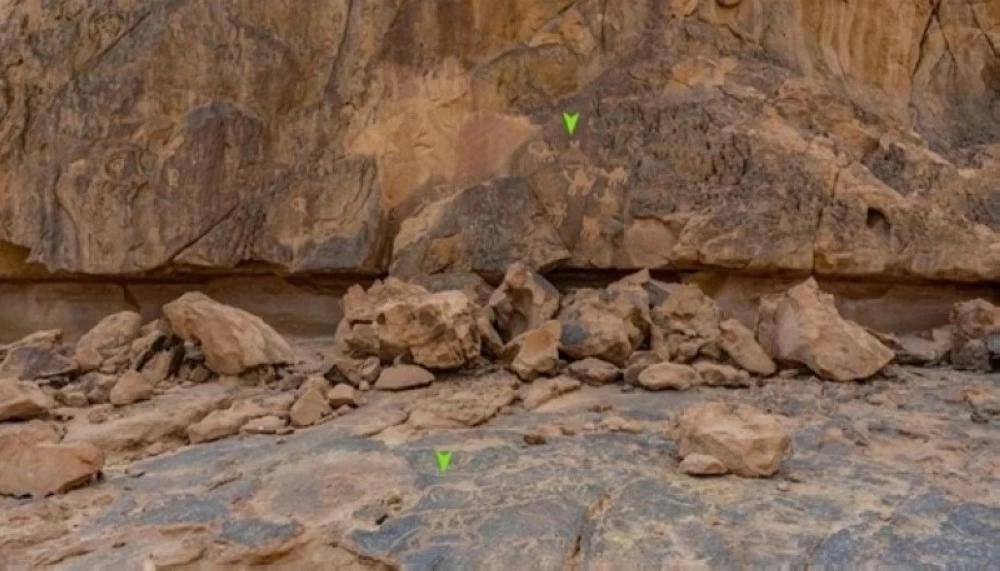
في اكتشاف أثري هائل، أعلنت وزارة السياحة والآثار المصرية العثور على موقع قديم في جنوب شبه جزيرة سيناء يعود عمره إلى 10 آلاف عام، يحتوي على نقوش صخرية ورسوم فنية تحكي قصة الإنسان منذ عصور ما قبل التاريخ وحتى العصور الإسلامية.
الموقع المعروف باسم هضبة أم عراك يمتد على نحو 100 متر، ويضم رسومات بالحبر الأحمر لحيوانات ورموز غامضة، ونقوش باللغتين العربية والنبطية، ما يجعل منه متحفًا طبيعيًا مفتوحًا يكشف أسرار الحضارات القديمة.
ووصف شريف فتحي وزير السياحة والآثار المصري الاكتشاف بأنه «كنز تاريخي يعكس ثراء سيناء الحضاري ويؤكد استمرار جهود الوزارة في البحث والتوثيق وفق أعلى المعايير الدولية».
أما الدكتور هشام الليثي الأمين العام للمجلس الأعلى للآثار في مصر، فأكد أن التنوع الفني والزمني للنقوش يجعل الموقع استثنائيًا، إذ يوثق مراحل تطور الرموز والتعبير الفني للإنسان عبر آلاف السنين.
التحليلات الأولية أظهرت أن الموقع كان ملجأً للبشر، إذ تحتوي أرضه على فضلات حيوانات وبقايا مواقد حجرية، ما يعطي صورة حية عن أسلوب حياة الإنسان القديم وعلاقته بالطبيعة.
ويقع هذا الاكتشاف المذهل قرب مدينة سانت كاترين، التي تُعد من أهم الوجهات السياحية والدينية في مصر، ويأتي في إطار جهود الدولة لتطوير السياحة في المنطقة واستغلال ثروتها التاريخية لجذب الباحثين والسياح من كل أنحاء العالم.
In a remarkable archaeological discovery, the Egyptian Ministry of Tourism and Antiquities announced the finding of an ancient site in the southern Sinai Peninsula dating back 10,000 years, which contains rock engravings and artistic drawings that tell the story of humanity from prehistoric times to the Islamic era.
The site, known as the Um Araq Plateau, extends over approximately 100 meters and features red ink drawings of animals and mysterious symbols, as well as inscriptions in both Arabic and Nabataean, making it a natural open museum that reveals the secrets of ancient civilizations.
Sharif Fathy, the Egyptian Minister of Tourism and Antiquities, described the discovery as a "historical treasure that reflects the cultural richness of Sinai and confirms the ministry's ongoing efforts in research and documentation according to the highest international standards."
Dr. Hisham Al-Laythi, the Secretary-General of the Supreme Council of Antiquities in Egypt, emphasized that the artistic and temporal diversity of the engravings makes the site exceptional, as it documents the stages of the evolution of symbols and artistic expression of humanity over thousands of years.
Preliminary analyses have shown that the site was a refuge for humans, as its ground contains animal droppings and remnants of stone hearths, providing a vivid picture of the lifestyle of ancient humans and their relationship with nature.
This astonishing discovery is located near the city of Saint Catherine, which is considered one of the most important tourist and religious destinations in Egypt, and comes as part of the state's efforts to develop tourism in the region and utilize its historical wealth to attract researchers and tourists from all over the world.