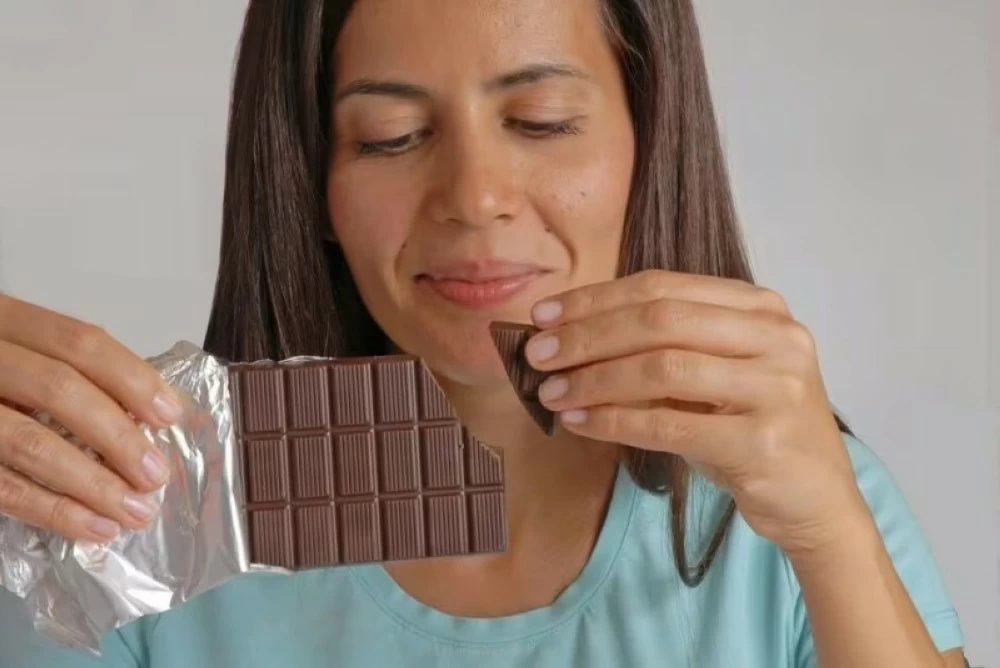
كشفت دراسة علمية حديثة أن تناول الشوكولاتة قد لا يكون مجرد متعة عابرة، بل قد يحمل فوائد صحية مرتبطة بإبطاء عملية الشيخوخة البيولوجية، بفضل مركّب طبيعي موجود في الكاكاو يُعرف باسم الثيوبرومين.
وأظهرت الدراسة، التي أجراها باحثون من كلية كينغز لندن ونُشرت في مجلة Ageing العلمية، أن الأشخاص الذين لديهم مستويات أعلى من الثيوبرومين في الدم يتمتعون بعمر بيولوجي أصغر من أعمارهم الحقيقية.
ما هو العمر البيولوجي؟
العمر البيولوجي يختلف عن العمر الزمني، إذ يعكس مدى تقدّم الجسم من حيث الصحة ووظائف الأعضاء، ويُقاس باستخدام مؤشرات جزيئية دقيقة في الحمض النووي تُعرف باسم العلامات اللاجينية (الميثَلة)، والتي تتغير مع التقدم في السن.
واعتمد الباحثون على بيانات من مجموعتين أوروبيتين: الأولى 509 مشاركين من دراسة TwinsUK، والثانية 1160 مشاركاً من دراسة KORA الألمانية.
وأظهرت النتائج أن ارتفاع تركيز الثيوبرومين في الدم ارتبط بانخفاض واضح في مؤشرات الشيخوخة البيولوجية.
كيف قاس العلماء الشيخوخة؟
استخدم الفريق البحثي طريقتين علميتين: تحليل التغيرات الكيميائية في الحمض النووي لمعرفة سرعة التقدم في العمر، قياس طول التيلوميرات، وهي الأغطية الواقية لنهايات الكروموسومات، والتي تقصر مع التقدم في السن وترتبط بأمراض الشيخوخة.
وقالت البروفيسورة جوردانا بيل، أستاذة علم الوراثة اللاجينية والمؤلفة الرئيسية للدراسة: «تشير نتائجنا إلى وجود علاقة بين أحد المكونات الرئيسية في الشوكولاتة الداكنة والبقاء أصغر سناً لفترة أطول».
إلا أنها حذّرت من إساءة تفسير النتائج، مضيفة: «نحن لا نقول إن على الناس تناول كميات أكبر من الشوكولاتة، لكن هذه النتائج تساعدنا على فهم كيف يمكن للأطعمة اليومية أن تحمل مفاتيح لحياة أطول وأكثر صحة».
لماذا الثيوبرومين تحديداً؟
بحسب الدراسة، فحص الباحثون أيضاً مركبات أخرى موجودة في الكاكاو والقهوة، لكن التأثير الإيجابي على الشيخوخة البيولوجية بدا مقتصراً على الثيوبرومين فقط.
ويُعد الثيوبرومين من القلويدات النباتية، وهو معروف بكونه ساماً للكلاب، لكنه لدى البشر ارتبط سابقاً بانخفاض خطر الإصابة بأمراض القلب، دون أن يحظى باهتمام بحثي واسع في مجال الشيخوخة.
وتشير الدراسة إلى أن بعض المركبات النباتية قد تؤثر في طريقة تشغيل وإيقاف الجينات، ما ينعكس على الصحة وطول العمر، ويمكن لهذه المركبات التفاعل مع الأنظمة الخلوية التي تنظّم نشاط الجينات.
آفاق بحثية جديدة
من جانبه، قال الدكتور رامي سعد، الباحث الرئيسي في الدراسة وطبيب الوراثة السريرية: «هذا اكتشاف مثير للغاية، والسؤال الأهم الآن هو: ما الآلية الدقيقة وراء هذا الارتباط؟ وكيف يمكننا فهم التفاعل بين نواتج الغذاء وجيناتنا بشكل أعمق؟».
ويعمل الفريق حالياً، بمشاركة البروفيسورة آنا رودريغيز-ماتيوس، على دراسة ما إذا كان الثيوبرومين يعمل بمفرده أم بالتعاون مع مركبات أخرى في الشوكولاتة الداكنة مثل البوليفينولات المعروفة بفوائدها الصحية.
تحذير مهم
ورغم النتائج المشجعة، شدد الباحثون على أن الإكثار من تناول الشوكولاتة الداكنة ليس حلاً سحرياً، نظراً لاحتوائها على السكر والدهون، مؤكدين الحاجة إلى مزيد من الدراسات قبل تقديم توصيات غذائية واضحة.
A recent scientific study has revealed that consuming chocolate may not just be a fleeting pleasure, but could carry health benefits related to slowing down the biological aging process, thanks to a natural compound found in cocoa known as theobromine.
The study, conducted by researchers from King's College London and published in the journal Ageing, showed that individuals with higher levels of theobromine in their blood enjoy a younger biological age compared to their actual age.
What is biological age?
Biological age differs from chronological age, as it reflects the extent of the body's advancement in terms of health and organ function, and is measured using precise molecular indicators in DNA known as epigenetic marks (methylation), which change with aging.
The researchers relied on data from two European groups: the first consisting of 509 participants from the TwinsUK study, and the second with 1160 participants from the German KORA study.
The results showed that higher concentrations of theobromine in the blood were associated with a significant decrease in indicators of biological aging.
How did scientists measure aging?
The research team used two scientific methods: analyzing chemical changes in DNA to determine the rate of aging, and measuring telomere length, which are protective caps at the ends of chromosomes that shorten with age and are associated with age-related diseases.
Professor Jordana Bell, an epigenetics expert and the lead author of the study, stated: "Our results suggest a relationship between one of the key components in dark chocolate and staying younger for longer."
However, she warned against misinterpreting the results, adding: "We are not saying that people should consume more chocolate, but these findings help us understand how everyday foods can hold keys to a longer and healthier life."
Why theobromine specifically?
According to the study, the researchers also examined other compounds found in cocoa and coffee, but the positive effect on biological aging appeared to be limited to theobromine alone.
Theobromine is a plant alkaloid known to be toxic to dogs, but in humans, it has previously been associated with a reduced risk of heart disease, without receiving extensive research attention in the field of aging.
The study indicates that some plant compounds may influence how genes are turned on and off, which reflects on health and longevity, and these compounds can interact with cellular systems that regulate gene activity.
New research prospects
For his part, Dr. Rami Saad, the principal investigator of the study and a clinical geneticist, said: "This is a very exciting discovery, and the most important question now is: what is the precise mechanism behind this association? And how can we understand the interaction between food products and our genes more deeply?"
The team is currently working, alongside Professor Anna Rodríguez-Mateos, to study whether theobromine works alone or in collaboration with other compounds in dark chocolate, such as polyphenols known for their health benefits.
Important warning
Despite the encouraging results, the researchers emphasized that overconsumption of dark chocolate is not a magic solution, given its sugar and fat content, stressing the need for further studies before making clear dietary recommendations.