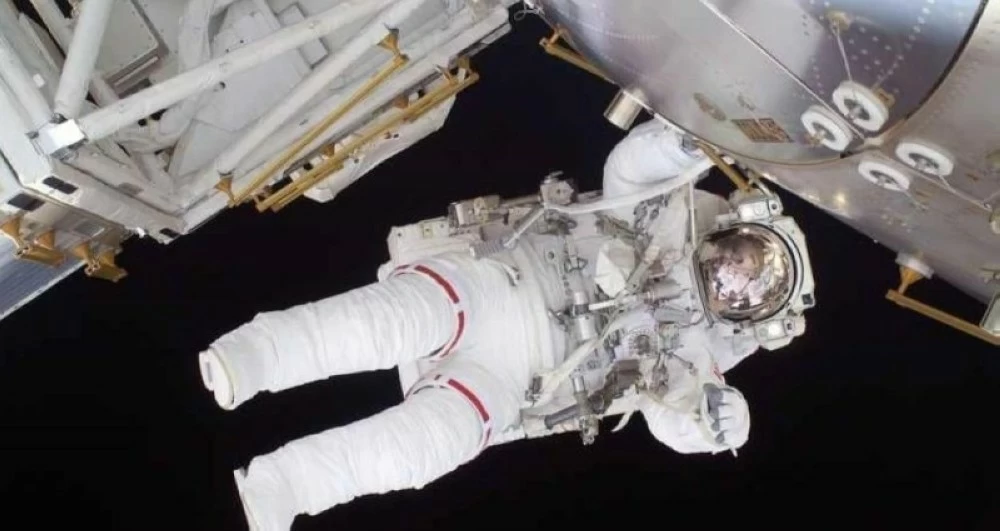
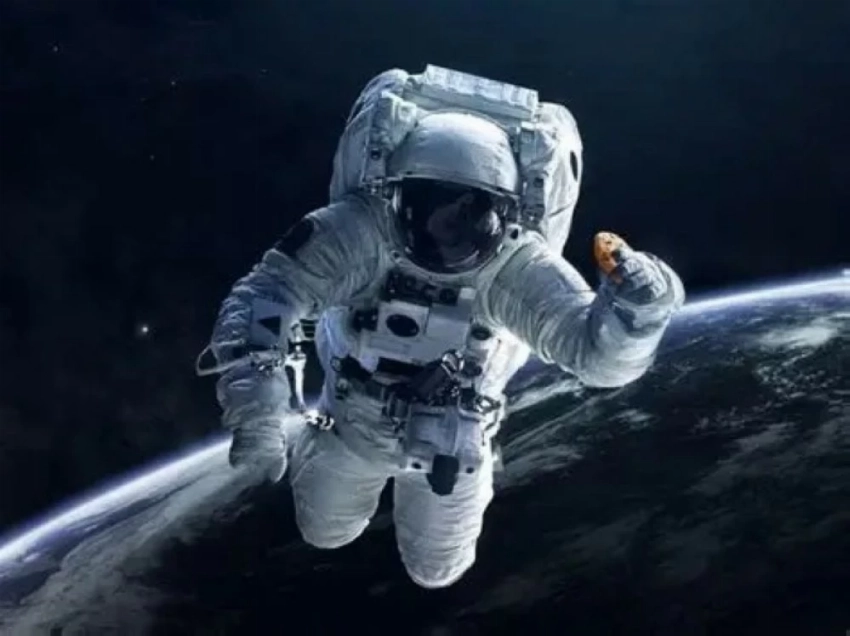
في خطوة وُصفت بأنها تاريخية، أعلنت وكالة ناسا رسمياً السماح لرواد الفضاء بحمل هواتفهم الذكية الشخصية إلى الفضاء، وذلك للمرة الأولى منذ بدء البرامج الفضائية المأهولة قبل أكثر من ستة عقود.
وسيبدأ تطبيق القرار الجديد مع مهمتين رئيسيتين قادمتين مهمة Crew-12 إلى محطة الفضاء الدولية، والمقرر إطلاقها في الأسبوع القادم، على متن مركبة SpaceX Crew Dragon، ومهمة «أرتيميس 2»، وهي أول مهمة مأهولة ضمن برنامج أرتيميس، والتي ستحلق بالبشر حول القمر لأول مرة منذ آخر مهمة أبولو في ديسمبر 1972، وتم تأجيل موعدها إلى مارس 2026.
وأوضحت ناسا أن الهواتف الذكية ستُستخدم بشكل أساسي لأغراض التوثيق الشخصي، التقاط الصور والفيديوهات عالية الجودة، والتواصل غير الرسمي مع العائلة والأصدقاء عبر تطبيقات مدعومة وآمنة، كما ستُسمح باستخدامها في بعض المهام العلمية البسيطة والتدريبية.
وأكدت الوكالة أن جميع الأجهزة ستخضع لفحوصات صارمة قبل الإقلاع للتأكد من مقاومتها للإشعاع الكوني، وعدم تداخلها مع أنظمة الاتصال والملاحة، وخلوها من مخاطر الحريق أو الانفجار في بيئة الأكسجين النقي.
وقال مسؤول في برنامج الرحلات المأهولة بناسا: «لقد أصبحت الهواتف الذكية جزءاً لا يتجزأ من حياتنا اليومية على الأرض. السماح لرواد الفضاء باستخدامها يعكس تقدماً تكنولوجياً وثقافياً، ويجعل التجربة الفضائية أكثر إنسانية دون المساس بالسلامة».
ومن المتوقع أن يؤدي القرار إلى زيادة كبيرة في حجم ونوعية الصور والفيديوهات التي سيتم نشرها من الفضاء، سواء من محطة الفضاء الدولية أو خلال رحلة «أرتيميس 2» حول القمر، مما سيمنح الجمهور نافذة أكثر قرباً وحيوية على الحياة في الفضاء.
ومنذ بداية عصر الرحلات الفضائية المأهولة في ستينيات القرن الماضي، كانت ناسا تفرض قيوداً صارمة جداً على الأجهزة الإلكترونية الشخصية التي يمكن لرواد الفضاء حملها إلى المدار أو خارج الأرض.
ولعقود طويلة، كان رواد الفضاء يعتمدون فقط على الكاميرات المتخصصة المصممة خصيصاً للبيئة الفضائية مثل كاميرات Nikon المعدلة، بينما كانت الهواتف الذكية والكاميرات الشخصية ممنوعة تماماً.
In a move described as historic, NASA officially announced that astronauts will be allowed to bring their personal smartphones into space, marking the first time this has been permitted since the beginning of manned space programs over six decades ago.
The new policy will take effect with two upcoming major missions: Crew-12 to the International Space Station, scheduled for launch next week aboard a SpaceX Crew Dragon spacecraft, and the "Artemis 2" mission, which will be the first crewed mission under the Artemis program, flying humans around the Moon for the first time since the last Apollo mission in December 1972, now postponed to March 2026.
NASA clarified that smartphones will primarily be used for personal documentation purposes, capturing high-quality photos and videos, and informal communication with family and friends through supported and secure applications. They will also be allowed for use in some simple scientific and training tasks.
The agency confirmed that all devices will undergo rigorous testing before launch to ensure they can withstand cosmic radiation, do not interfere with communication and navigation systems, and are free from fire or explosion hazards in a pure oxygen environment.
A NASA official in the human spaceflight program stated, "Smartphones have become an integral part of our daily lives on Earth. Allowing astronauts to use them reflects a technological and cultural advancement, making the space experience more human without compromising safety."
The decision is expected to lead to a significant increase in the quantity and quality of photos and videos shared from space, whether from the International Space Station or during the "Artemis 2" mission around the Moon, providing the public with a closer and more vibrant window into life in space.
Since the beginning of the manned spaceflight era in the 1960s, NASA has imposed very strict restrictions on personal electronic devices that astronauts could take into orbit or beyond Earth.
For decades, astronauts relied solely on specialized cameras designed specifically for the space environment, such as modified Nikon cameras, while smartphones and personal cameras were completely prohibited.