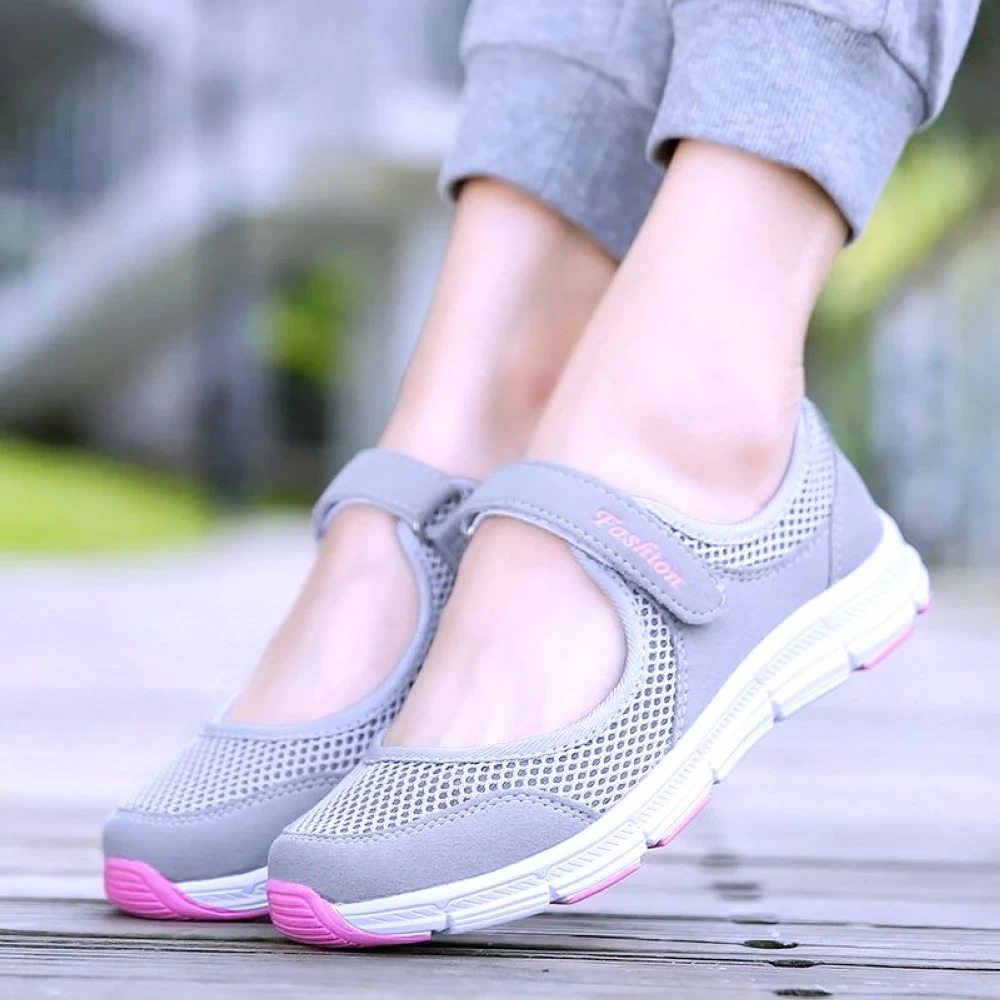
كشفت دراسات طبية متخصصة أن ارتداء نوع معين من أحذية القدم يمكن أن يؤثر بشكل غير مباشر في وظائف الدماغ، بما في ذلك معدلات التركيز والانتباه الذهني لدى المستخدمين، وفق تحليل منشور عبر مراجعات خبراء الطب الرياضي والعلوم العصبية. وقد استندت هذه النتائج إلى دراسات مختبرية وتقارير سريرية ربطت بين توازن القدم عند المشي والوقوف، وبين كيفية إرسال إشارات عصبية متسقة إلى الدماغ لتنظيم الانتباه والتحكّم في الأداء العصبي المركزي.
وأشار الأطباء إلى أن المشية الطبيعية تُعد جزءاً أساسياً من آلية تنشيط الدارات العصبية المسؤولة عن الوظائف التنفيذية، مثل التركيز، والاستجابة السريعة، والتنسيق الحركي. ومع ذلك، فإن ارتداء أحذية غير مناسبة -سواء من حيث النوعية أو المقاس أو الدعم القوسي- قد يؤثر على وضع القدم وطريقة توزيع الوزن على المفاصل، مما يُحدث تشويشاً طفيفاً في الاتزان العصبي. وهذا التشويش، بحسب الدراسة، يمكن أن يؤدي على المدى الطويل إلى إحساس بالتشتت وعدم الثبات الذهني خصوصاً في المواقف التي تتطلب تركيزاً عالياً.
وشرحت الدراسات المتخصصة أن الحذاء الرياضي الذي لا يوفر دعما قوسيا فعّالاً أو استقراراً في نظام التوازن قد يزيد من التعب العضلي في الساقين والظهر، وهذا بدوره يُحوّل الموارد العصبية للجسم إلى إدارة التوازن الجسدي على حساب القدرات الذهنية مثل الانتباه والتركيز. وأكد الباحثون أن هناك عوامل متعددة تتحكّم في كيفية تفاعل الجسم مع الأحذية المختلفة، منها شكل القدم، ونوع الأرضية، وطريقة المشي الطبيعية للشخص.
في المقابل، لاحظت الأبحاث أن استخدام أحذية توفر دعماً مناسباً للقوس وانضباطاً في خط المشي يمكن أن يحسّن من كفاءة التوازن البدني ويتزامن مع أداء ذهني أفضل لدى الأفراد، خصوصاً عند ممارسة الأنشطة التي تتطلب انتباهاً وتركيزاً مستمرين. وتعتمد هذه الاستنتاجات على عمليات تحليل عصبي دقيقة، تربط بين الإشارات العصبية الصادرة من الأصابع والقدمين، وبين مناطق الدماغ المسؤولة عن التخطيط، والاستجابة، ومعدلات الانتباه. وبينما لا تزال العديد من التفاصيل قيد البحث، يشير الخبراء إلى أن فهم علاقة التوازن الجسدي بالقدرات الذهنية يمكن أن يقدم رؤى أعمق في كيفية تحسين الصحة العصبية عبر التدخلات البسيطة في نمط الحركة اليومي، بما في ذلك اختيار الأحذية المناسبة، والاهتمام بالوقوف والمشي بشكل صحيح، وممارسة تمارين التوازن والجسم الكامل.
Specialized medical studies have revealed that wearing a certain type of footwear can indirectly affect brain functions, including concentration rates and mental attention among users, according to an analysis published through reviews by experts in sports medicine and neuroscience. These findings were based on laboratory studies and clinical reports that linked foot balance while walking and standing to how consistent neural signals are sent to the brain to regulate attention and control central nervous performance.
Doctors pointed out that a natural gait is an essential part of the mechanism that activates the neural circuits responsible for executive functions, such as focus, quick response, and motor coordination. However, wearing inappropriate shoes—whether in terms of quality, size, or arch support—can affect foot positioning and the way weight is distributed across the joints, leading to slight disruption in neural balance. This disruption, according to the study, can result in a long-term feeling of distraction and mental instability, especially in situations that require high concentration.
Specialized studies explained that athletic shoes that do not provide effective arch support or stability in the balance system may increase muscle fatigue in the legs and back, which in turn diverts the body's neural resources to managing physical balance at the expense of mental capabilities such as attention and focus. Researchers confirmed that multiple factors influence how the body interacts with different shoes, including foot shape, type of flooring, and the individual's natural walking style.
Conversely, research has noted that using shoes that provide appropriate arch support and discipline in the walking line can improve physical balance efficiency and coincide with better mental performance in individuals, especially when engaging in activities that require sustained attention and focus. These conclusions are based on precise neural analysis processes that link neural signals emitted from the toes and feet to the brain areas responsible for planning, responding, and attention rates. While many details are still under investigation, experts indicate that understanding the relationship between physical balance and mental capabilities can provide deeper insights into how to improve neurological health through simple interventions in daily movement patterns, including choosing appropriate footwear, paying attention to standing and walking correctly, and practicing balance and full-body exercises.