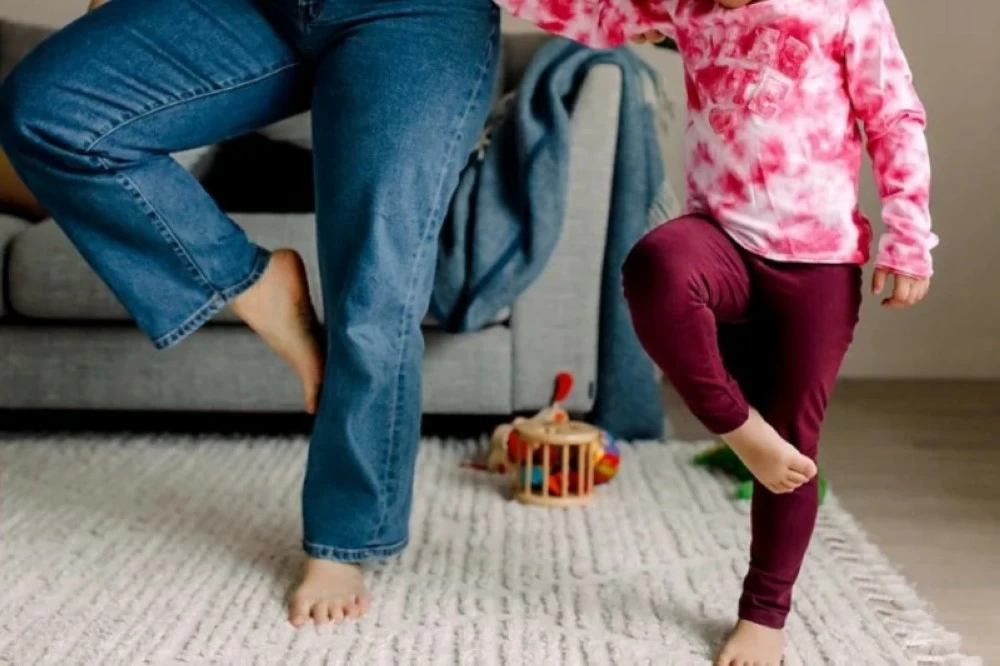
قد يبدو الوقوف على ساق واحدة تمرينًا بسيطًا أو حتى عابرًا، لكن الأبحاث العلمية الحديثة تشير إلى أنه أحد أهم المؤشرات على الصحة العامة وجودة التقدّم في العمر، بل وقد يكشف قوة الدماغ واحتمالات الإصابة بالأمراض وحتى خطر الوفاة المبكرة.
في سنّ الطفولة، لا يتطلب الحفاظ على التوازن جهدًا يُذكر، إذ تكتمل هذه القدرة عادة بين سن التاسعة والعاشرة، وتبلغ ذروتها في أواخر الثلاثينات من العمر، غير أن هذه المهارة تبدأ في التراجع تدريجيًا بعد ذلك، ليصبح الوقوف على ساق واحدة تحديًا حقيقيًا لدى كثيرين بعد سن الخمسين.
ويؤكد الأطباء، بحسب شبكة BBC أن القدرة على الثبات على ساق واحدة لأكثر من بضع ثوانٍ لا تعكس فقط قوة العضلات، بل تقدم صورة شاملة عن حالة الجسم والدماغ مع التقدم في العمر.
لماذا يُعدّ التوازن مهمًا؟
ويرتبط ضعف التوازن ارتباطًا وثيقًا بما يُعرف بـ«الساركوبينيا»، أي الفقدان التدريجي للكتلة العضلية المرتبط بالتقدم في السن، فمنذ سن الثلاثين يفقد الإنسان ما يصل إلى 8% من عضلاته كل عقد، وبحلول الثمانينات قد يُصاب نحو نصف الأشخاص بهذه الحالة بشكل سريري.
ولا ينعكس هذا التراجع العضلي فقط على القوة البدنية، بل يؤثر أيضًا على تنظيم السكر في الدم، والمناعة، والقدرة على الحركة، ويظهر جليًا في ضعف القدرة على الوقوف على ساق واحدة، وفي المقابل، تشير دراسات علمية إلى أن الأشخاص الذين يواظبون على تمارين التوازن أقل عرضة للإصابة بالساركوبينيا، إذ تساعد هذه التمارين في الحفاظ على قوة عضلات الساقين والوركين.
التوازن مرآة لصحة الدماغ
ولا يُعد الوقوف على ساق واحدة اختبارًا عضليًا فحسب، بل تمرينًا عصبيًا معقّدًا، إذ يتطلب تنسيقًا دقيقًا بين البصر، والجهاز الدهليزي في الأذن الداخلية المسؤول عن التوازن، إضافة إلى الجهاز العصبي الحسي الذي يحدد وضعية الجسم والإحساس بالأرض.
ومع تقدم العمر، تتراجع كفاءة هذه الأنظمة بمعدلات مختلفة، ما يجعل التوازن مؤشرًا حساسًا على صحة مناطق مهمة في الدماغ، بما في ذلك سرعة الاستجابة، والقدرة على أداء المهمات اليومية، وسرعة معالجة المعلومات الحسية.
ويحذر الخبراء من أن تسارع ضمور الدماغ قد يزيد خطر السقوط وفقدان الاستقلالية، خصوصًا لدى كبار السن. وتشير بيانات مراكز مكافحة الأمراض في الولايات المتحدة إلى أن السقوط غير المقصود هو السبب الأول للإصابات لدى من تجاوزوا 65 عامًا، وغالبًا ما يكون فقدان التوازن هو العامل الأساسي.
التوازن وخطر الوفاة المبكرة
اللافت أن القدرة على الوقوف على ساق واحدة قد ترتبط أيضًا بخطر الوفاة، فقد كشفت دراسة أُجريت عام 2022 أن الأشخاص في منتصف العمر وكبار السن الذين عجزوا عن الوقوف على ساق واحدة لمدة 10 ثوانٍ كانوا أكثر عرضة للوفاة بنسبة 84% خلال السنوات السبع اللاحقة.
وفي دراسة أخرى شملت أكثر من 2700 شخص في الخمسينات من العمر، تبيّن أن اختبار الوقوف على ساق واحدة كان أكثر دقة في التنبؤ بالمخاطر الصحية مقارنة باختبارات قوة القبضة أو النهوض من الجلوس. ووجد الباحثون أن من لم يتمكنوا من الثبات لأكثر من ثانيتين كانوا أكثر عرضة للوفاة بـ3 مرات مقارنة بمن حافظوا على توازنهم لـ10 ثوانٍ أو أكثر.
ولا يتوقف الأمر عند الصحة الجسدية، إذ تشير أبحاث حديثة إلى أن تمارين التوازن تُبطئ التدهور المعرفي، فحتى لدى مرضى ألزهايمر، لوحظ أن القادرين على الوقوف على ساق واحدة لفترة أطول يعانون من تراجع معرفي أبطأ، بل إن عدم القدرة على الثبات لـ5 ثوانٍ قد يكون مؤشرًا على تسارع التدهور العقلي.
دقائق يومية تصنع فارقًا
وتُشير الدراسة إلى أن تحسين التوازن ممكن في أي عمر، حيث يؤكد أطباء التأهيل أن الدماغ يتمتع بمرونة عالية، وأن تمارين الوقوف على ساق واحدة تُعيد تشكيل مناطق مسؤولة عن الدمج الحسي والإدراك المكاني، كما تُحسن الذاكرة العاملة والأداء الذهني.
وينصح الخبراء من تجاوزوا 65 عامًا بممارسة تمارين التوازن 3 مرات أسبوعيًا على الأقل، ويفضل إدماجها في الروتين اليومي، مثل الوقوف على ساق واحدة أثناء تنظيف الأسنان أو غسل الصحون، مع التبديل بين الساقين، سواء حافي القدمين أو أثناء ارتداء الحذاء.
كما أن تمارين تقوية الورك والساق، والأنشطة التي تجمع بين القوة واللياقة والتوازن، مثل اليوغا أو التاي تشي، أثبتت قدرتها على تقليل خطر السقوط بنسبة تصل إلى 50%، ويؤكد الباحثون أن الالتزام والمداومة قد يسمحان بالحفاظ على توازن جيد حتى في التسعينات من العمر، بل وأكثر من ذلك، مشيرين إلى حالات لأشخاص تجاوزوا 95 عامًا وتمكنوا من الوقوف على ساق واحدة لـ10 ثوانٍ بثبات.
Standing on one leg may seem like a simple or even trivial exercise, but recent scientific research indicates that it is one of the most important indicators of overall health and quality of aging. It may even reveal brain strength, the likelihood of disease, and the risk of early death.
In childhood, maintaining balance requires little effort, as this ability typically matures between the ages of nine and ten, peaking in the late thirties. However, this skill begins to decline gradually thereafter, making standing on one leg a real challenge for many after the age of fifty.
Doctors confirm, according to the BBC network, that the ability to balance on one leg for more than a few seconds not only reflects muscle strength but also provides a comprehensive picture of the body's and brain's condition as one ages.
Why is balance important?
Poor balance is closely linked to what is known as "sarcopenia," which is the gradual loss of muscle mass associated with aging. From the age of thirty, a person can lose up to 8% of their muscles every decade, and by the eighties, nearly half of individuals may clinically suffer from this condition.
This muscular decline does not only affect physical strength but also impacts blood sugar regulation, immunity, and mobility, clearly evident in the decreased ability to stand on one leg. Conversely, scientific studies indicate that individuals who regularly engage in balance exercises are less likely to suffer from sarcopenia, as these exercises help maintain the strength of the leg and hip muscles.
Balance is a mirror of brain health
Standing on one leg is not just a muscular test but a complex neurological exercise, requiring precise coordination between vision, the vestibular system in the inner ear responsible for balance, and the sensory nervous system that determines body position and sense of the ground.
As one ages, the efficiency of these systems declines at different rates, making balance a sensitive indicator of the health of important brain areas, including response speed, the ability to perform daily tasks, and the speed of processing sensory information.
Experts warn that accelerated brain atrophy may increase the risk of falls and loss of independence, especially among the elderly. Data from the Centers for Disease Control and Prevention in the United States indicates that unintentional falls are the leading cause of injuries among those over 65, often with loss of balance being the primary factor.
Balance and the risk of early death
Notably, the ability to stand on one leg may also be linked to the risk of death. A study conducted in 2022 revealed that middle-aged and older adults who could not stand on one leg for 10 seconds were 84% more likely to die in the following seven years.
In another study involving more than 2,700 people in their fifties, it was found that the one-leg standing test was more accurate in predicting health risks compared to grip strength tests or rising from a seated position. Researchers found that those who could not maintain balance for more than two seconds were three times more likely to die compared to those who maintained their balance for 10 seconds or more.
The issue does not stop at physical health; recent research indicates that balance exercises slow cognitive decline. Even among Alzheimer's patients, those who could stand on one leg for longer periods exhibited slower cognitive deterioration, and the inability to maintain balance for 5 seconds may be an indicator of accelerated mental decline.
Daily minutes make a difference
The study indicates that improving balance is possible at any age, as rehabilitation doctors affirm that the brain has high plasticity, and one-leg standing exercises reshape areas responsible for sensory integration and spatial awareness, as well as improve working memory and mental performance.
Experts recommend that those over 65 practice balance exercises at least three times a week, preferably integrating them into daily routines, such as standing on one leg while brushing teeth or washing dishes, alternating between legs, whether barefoot or while wearing shoes.
Additionally, hip and leg strengthening exercises, along with activities that combine strength, fitness, and balance, such as yoga or tai chi, have proven effective in reducing the risk of falls by up to 50%. Researchers assert that commitment and consistency may allow individuals to maintain good balance even into their nineties, and even beyond, citing cases of individuals over 95 who were able to stand on one leg for 10 seconds steadily.