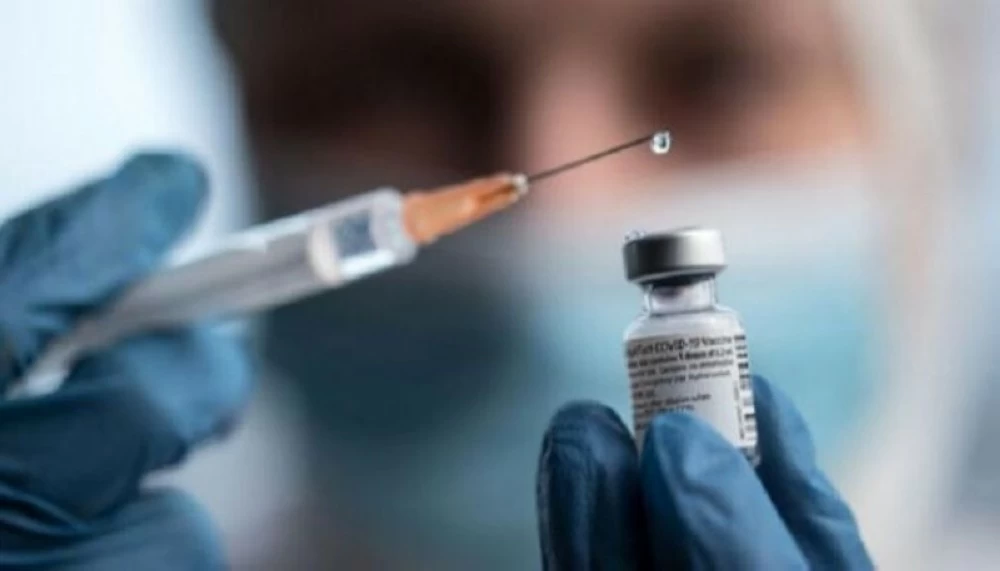
نشرت مجلة «Oncotarget» المتخصصة في أبحاث السرطان مراجعة علمية شاملة بعنوان «إشارات السرطان بعد التطعيم ضد كوفيد-19 والعدوى: تقييم الأنماط والآليات البيولوجية المحتملة»، من إعداد الباحثة شارلوت كوبرفاسر (من كلية الطب بجامعة تافتس) والدكتور وافيك الديري (رئيس تحرير المجلة وعالم أورام بارز بجامعة براون).
أجرت الدراسة بحثاً منهجياً في قواعد بيانات علمية متعددة للفترة من يناير 2020 حتى أكتوبر 2025، وركزت على جمع التقارير المنشورة سابقاً حول حالات سرطان جديد أو تفاقم سريع (المعروف شعبياً بـ«turbo cancer») بعد التطعيم ضد كوفيد-19 أو الإصابة بفايروس SARS-CoV-2.
333 حالة فردية من السرطان
وخلال الدراسة تم توثيق 333 حالة فردية من السرطان عبر 69 دراسة منشورة في مجلات علمية محكمة، كما أن الحالات موزعة على 27 دولة حول العالم (من بينها الولايات المتحدة، اليابان، الصين، إيطاليا، إسبانيا، كوريا الجنوبية)، مما يشير إلى ظاهرة عالمية وليست مقتصرة على منطقة جغرافية معينة.
أنواع السرطانات
وشملت الأنواع الرئيسية: الليمفوما (نحو 38%)، سرطان الثدي، الرئة، القولون، البروستاتا، البنكرياس، الغدة الدرقية، اللوكيميا، الجلد (ميلانوما)، والساركوما، مع بعض الحالات التي ظهرت بالقرب من موقع الحقن.
وفي نحو 50% من الحالات، تم تشخيص السرطان خلال أسابيع قليلة (2 - 4 أسابيع) بعد الجرعة، وبعضها خلال أيام، مع إشارات إلى تفاقم أكبر بعد الجرعات التعزيزية.
وتضمنت الدراسة أيضاً بيانات من دراسات كبيرة (مثل 1.3 مليون فرد في الجيش الأمريكي، 300 ألف في إيطاليا، 8.4 مليون في كوريا الجنوبية)، أظهرت إشارات إحصائية محتملة لزيادة حالات سرطان معينة بعد التطعيم، خصوصاً لدى الفئات العمرية تحت 65 عاماً (سرطان الثدي والغدة الدرقية) وفوق 75 عاماً (سرطان البروستاتا).
واقترح المؤلفان آليات بيولوجية محتملة مثل: اضطراب الجهاز المناعي وفقدان القدرة على مراقبة الأورام، استمرار بروتين السبيك في الأنسجة، وتأثير محتمل للـDNA المتبقي من عملية التصنيع.
دعوة لإجراء دراسات وبائية واسعة
وأكد الكاتبان بوضوح أن هذه النتائج تمثل إشارات أمان محتملة (safety signals) وأنماطاً زمنية تستحق التحقيق، لكنها لا تثبت علاقة سببية مباشرة بين اللقاحات والسرطان، كما دعا الباحثان إلى إجراء دراسات وبائية واسعة، سريرية، وميكانيكية معمقة لتحديد ما إذا كانت هناك صلة حقيقية وتحت أي شروط.
الهجوم السيبراني على المجلة
وبعد أيام من نشر الدراسة، تعرض موقع المجلة لهجمات سيبرانية مكثفة بدأت في ديسمبر 2025 واستمرت خلال يناير 2026، مما أدى إلى تعطيل الوصول إلى الموقع، وأبلغت إدارة المجلة مكتب التحقيقات الفيدرالي الأمريكي بالحادثة.
The journal "Oncotarget," specialized in cancer research, published a comprehensive scientific review titled "Cancer Signals Following COVID-19 Vaccination and Infection: Assessment of Patterns and Potential Biological Mechanisms," authored by researcher Charlotte Cooperwasser (from the Tufts University School of Medicine) and Dr. Wafik El-Deiry (editor-in-chief of the journal and a prominent oncologist at Brown University).
The study conducted a systematic review of multiple scientific databases from January 2020 to October 2025, focusing on gathering previously published reports on cases of new or rapidly worsening cancer (popularly known as "turbo cancer") following COVID-19 vaccination or infection with the SARS-CoV-2 virus.
333 Individual Cases of Cancer
During the study, 333 individual cases of cancer were documented across 69 published studies in peer-reviewed scientific journals, with cases distributed across 27 countries worldwide (including the United States, Japan, China, Italy, Spain, and South Korea), indicating a global phenomenon rather than one confined to a specific geographical area.
Types of Cancers
The main types included: lymphoma (about 38%), breast cancer, lung cancer, colon cancer, prostate cancer, pancreatic cancer, thyroid cancer, leukemia, skin (melanoma), and sarcoma, with some cases appearing near the injection site.
In about 50% of the cases, cancer was diagnosed within a few weeks (2 - 4 weeks) after the dose, some within days, with indications of greater worsening following booster doses.
The study also included data from large studies (such as 1.3 million individuals in the U.S. military, 300,000 in Italy, and 8.4 million in South Korea), which showed potential statistical signals for increased cases of certain cancers after vaccination, particularly among age groups under 65 (breast and thyroid cancer) and over 75 (prostate cancer).
The authors proposed potential biological mechanisms such as: immune system disruption and loss of tumor surveillance, persistence of spike protein in tissues, and a possible effect of residual DNA from the manufacturing process.
Call for Extensive Epidemiological Studies
The authors clearly stated that these results represent potential safety signals and temporal patterns worthy of investigation, but they do not establish a direct causal relationship between vaccines and cancer. They also called for extensive epidemiological, clinical, and mechanistic studies to determine whether there is a real connection and under what conditions.
The Cyber Attack on the Journal
Days after the study was published, the journal's website was subjected to intense cyber attacks that began in December 2025 and continued through January 2026, resulting in disrupted access to the site. The journal's management reported the incident to the FBI.