أصدر مكتب الأرصاد الجوية الأسترالي تحذيرات عاجلة من موجة حر شديدة إلى بالغة الخطورة تجتاح عدة ولايات جنوبية وجنوب شرقية، وتشمل نيو ساوث ويلز وفيكتوريا وجنوب أستراليا وتسمانيا، وذلك في واحدة من أقوى موجات الحر التي تشهدها المنطقة منذ صيف الحرائق الكارثي «الصيف الأسود» 2019-2020.
ووصف خبراء المكتب هذه الموجة بأنها «الأكثر أهمية» في جنوب شرق أستراليا منذ 6 سنوات، إذ تتجاوز درجات الحرارة في بعض المناطق 45-47 درجة مئوية، مع ليالٍ حارة لا توفر أي راحة تذكر.
وفي جنوب أستراليا، شهدت الولاية يوم الأربعاء ذروة الموجة، إذ تجاوزت درجات الحرارة 40 درجة مئوية في العديد من المدن، ووصلت في بعض المناطق مثل سيدنيا ومناطق نهر ميري إلى 45 درجة أو أكثر.
تحذيرات صحية عاجلة
وقد أدى ذلك إلى إصدار تحذيرات صحية عاجلة من مخاطر ضربات الشمس والإجهاد الحراري، خصوصاً لكبار السن والأطفال والأشخاص ذوي الأمراض المزمنة، إلى جانب إجهاد كبير لشبكات الكهرباء بسبب الطلب المتزايد على التكييف، مع تحذيرات من انقطاعات محتملة في التيار.
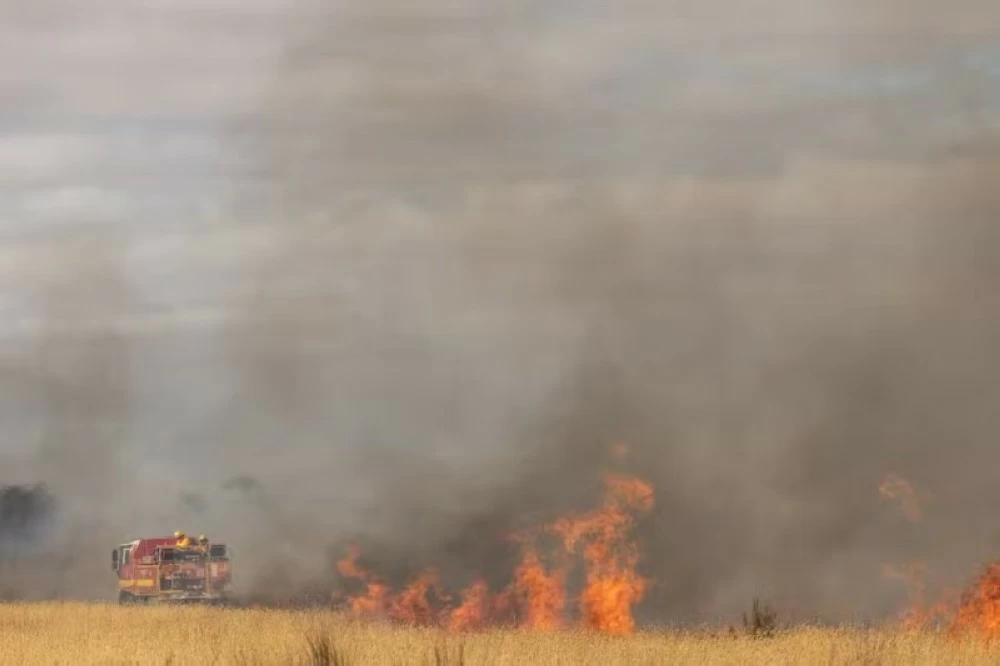
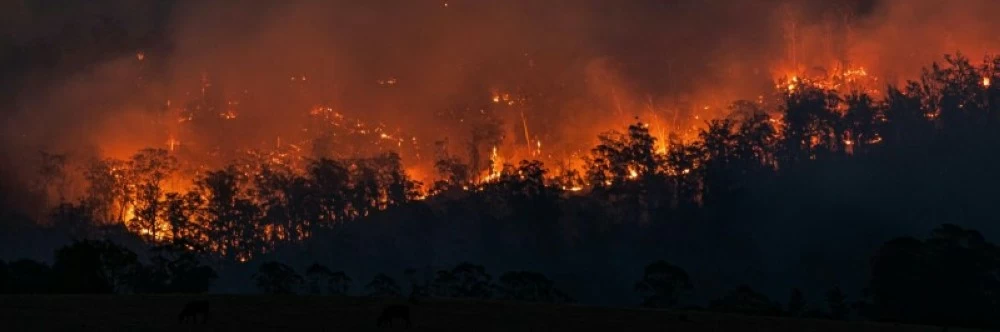
كما أشعلت الحرارة الشديدة عدة حرائق غابات مبكرة، فيما حذر مكتب الأرصاد من أن خطر الحرائق سيصل إلى مستوى «شديد إلى بالغ الخطورة» في ولايتي فيكتوريا وجنوب أستراليا خلال اليومين القادمين، خصوصاً يوم الجمعة، مع توقع رياح قوية وبرق جاف قد يشعل حرائق جديدة تصعب السيطرة عليها.
وقد أعلنت سلطات فيكتوريا حظراً كلياً على إشعال النيران في مناطق واسعة، وحذرت من أن أي حريق قد يصبح «غير قابل للسيطرة» في ظل هذه الظروف.
وفي نيو ساوث ويلز، من المتوقع أن تصل درجات الحرارة إلى ذروتها يوم السبت مع اقتراب 39-44 درجة في مناطق داخلية، بينما تشهد تسمانيا ارتفاعاً ملحوظاً (6-10 درجات فوق المعدل) رغم طبيعتها المعتدلة نسبياً.
تغيرات مناخية صادمة
تأتي هذه الموجة الحرارية في سياق تغير المناخ الذي يجعل أستراليا أكثر عرضة لموجات الحر الشديدة والحرائق، فقد ارتفع متوسط درجة الحرارة السنوية في أستراليا بنحو 1.5 درجة مئوية منذ عام 1910، وشهد عام 2025 ارتفاعاً كبيراً جعله من بين الأعوام الأكثر حرارة.
وتتفاقم الظاهرة بسبب نظام ضغط جوي مرتفع فوق بحر تاسمان يحبس الهواء الساخن القادم من الداخل والغرب، مما يؤدي إلى موجات حر متعددة الأيام مع ليالٍ حارة لا تسمح بانخفاض الحرارة.
ونصح مكتب الأرصاد السكان بالبقاء في أماكن مكيفة أو باردة، وشرب كميات وفيرة من الماء، وتجنب النشاط البدني في النهار، والتحقق من الأقارب والجيران المسنين أو المرضى، كما طلب من الجميع مراقبة تحديثات التحذيرات من الحرائق عبر تطبيقات الطوارئ الرسمية.
The Australian Bureau of Meteorology has issued urgent warnings of a severe to extreme heatwave sweeping across several southern and southeastern states, including New South Wales, Victoria, South Australia, and Tasmania, marking one of the strongest heatwaves the region has experienced since the catastrophic fire summer of "Black Summer" 2019-2020.
Experts from the bureau described this heatwave as "the most significant" in southeastern Australia in six years, with temperatures in some areas exceeding 45-47 degrees Celsius, accompanied by hot nights that offer little relief.
In South Australia, the state experienced the peak of the heatwave on Wednesday, with temperatures exceeding 40 degrees Celsius in many cities, reaching 45 degrees or more in some areas like Sydney and the Murry River regions.
Urgent Health Warnings
This has led to the issuance of urgent health warnings regarding the risks of heatstroke and heat stress, particularly for the elderly, children, and individuals with chronic illnesses, alongside significant strain on electricity networks due to increased demand for air conditioning, with warnings of potential power outages.
The extreme heat has also ignited several early bushfires, with the bureau warning that the fire danger will reach a "severe to extreme" level in Victoria and South Australia over the next two days, especially on Friday, with expectations of strong winds and dry lightning that could ignite new fires that are difficult to control.
Authorities in Victoria have declared a complete ban on lighting fires in wide areas, warning that any fire could become "uncontrollable" under these conditions.
In New South Wales, temperatures are expected to peak on Saturday, approaching 39-44 degrees in inland areas, while Tasmania is experiencing a noticeable rise (6-10 degrees above average) despite its relatively mild nature.
Shocking Climate Changes
This heatwave comes in the context of climate change, which makes Australia more susceptible to extreme heatwaves and fires. The average annual temperature in Australia has risen by about 1.5 degrees Celsius since 1910, with 2025 witnessing a significant increase, making it one of the hottest years on record.
The phenomenon is exacerbated by a high-pressure system over the Tasman Sea that traps hot air coming from the interior and west, leading to multi-day heatwaves with hot nights that prevent temperature drops.
The Bureau of Meteorology has advised residents to stay in air-conditioned or cool places, drink plenty of water, avoid physical activity during the day, and check on elderly or sick relatives and neighbors, while urging everyone to monitor fire warning updates through official emergency apps.