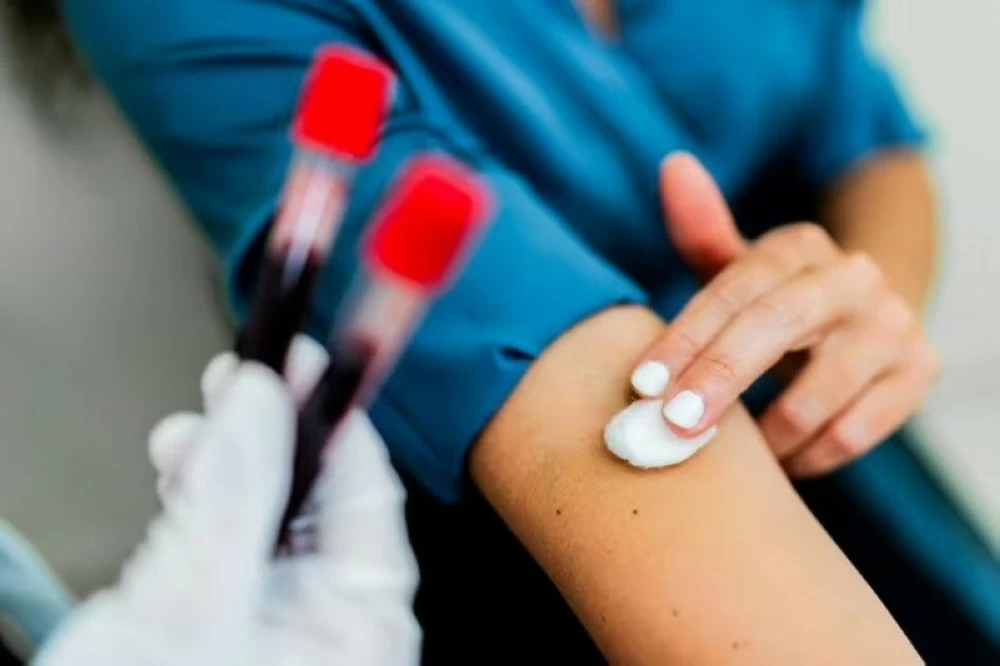
أصدر خبراء الصحة في بريطانيا تحذيراً عاجلاً لأصحاب فصائل دم معينة، مشددين على أهمية التبرع بالدم للحفاظ على مخزون كافٍ يلبي احتياجات المرضى اليومية والطوارئ.
يأتي هذا النداء وسط حاجة ماسة لبعض الفصائل، خصوصاً تلك التي تُستخدم بشكل أكبر في المستشفيات.
ووفقاً لموقع express، يُقدر أن 8% فقط من السكان يحملون فصيلة O سالب، لكنها تشكل 13% من الطلبات في المستشفيات، كونها المانح العالمي الذي يناسب جميع الفصائل في الحالات الطارئة.
لذلك، تتم مراقبة مخزونها بعناية، وقد يتم التواصل مباشرة مع المتبرعين المنتظمين لفصائل محددة عند الحاجة.
فصائل الدم ومن يمكن مساعدتهم
1 - O موجب: يمكن أن يساعد O موجب، A موجب، B موجب، AB موجب.
2 - O سالب: يمكن أن يساعد أي فصيلة دم (المانح العالمي).
3 - A موجب: يمكن أن يساعد A موجب، AB موجب.
4 - A سالب: يمكن أن يساعد A موجب، A سالب، AB موجب، AB سالب.
5 - B موجب: يمكن أن يساعد B موجب، AB موجب.
6 - B سالب: يمكن أن يساعد B موجب، B سالب، AB موجب، AB سالب.
7 - AB موجب: يمكن أن يساعد AB موجب فقط.
8 - AB سالب: يمكن أن يساعد AB موجب، AB سالب.
ما هي فصائل الدم النادرة؟
يوضح الخبراء أن فصيلة الدم النادرة هي أي فصيلة دم يحتاجها المرضى ويصعب العثور عليها في المجتمع، وتشمل النوع الفرعي Ro، الذي يحمله 2% فقط من المتبرعين المنتظمين في إنجلترا، لكنه حيوي لمرضى الخلايا المنجلية.
ويحمل 47% من المتبرعين ذوي الأصول الأفريقية هذا النوع الفرعي، والطلب عليه يزداد سنوياً، وعدم توافقه يزيد من مخاطر المضاعفات، لذا كلما كان التطابق أفضل كانت النتائج أحسن.
وعادةً، يتم الكشف عن فصيلة الدم عند التبرع الأول، وبعد التسجيل والتبرع، يُبلغ المتبرع بنتيجته.
Health experts in Britain have issued an urgent warning to individuals with certain blood types, emphasizing the importance of blood donation to maintain a sufficient supply to meet the daily and emergency needs of patients.
This call comes amid a pressing need for some blood types, particularly those that are used more frequently in hospitals.
According to the express website, it is estimated that only 8% of the population has O negative blood type, yet it accounts for 13% of hospital requests, as it is the universal donor that is compatible with all blood types in emergency situations.
Therefore, its supply is closely monitored, and regular donors of specific blood types may be contacted directly when needed.
Blood Types and Who They Can Help
1 - O positive: Can help O positive, A positive, B positive, AB positive.
2 - O negative: Can help any blood type (universal donor).
3 - A positive: Can help A positive, AB positive.
4 - A negative: Can help A positive, A negative, AB positive, AB negative.
5 - B positive: Can help B positive, AB positive.
6 - B negative: Can help B positive, B negative, AB positive, AB negative.
7 - AB positive: Can help only AB positive.
8 - AB negative: Can help AB positive, AB negative.
What Are Rare Blood Types?
Experts explain that a rare blood type is any blood type that patients need and is difficult to find in the community, including the Ro subtype, which is carried by only 2% of regular donors in England, but is vital for patients with sickle cell disease.
47% of donors of African descent carry this subtype, and the demand for it increases annually, as incompatibility raises the risk of complications, so the better the match, the better the outcomes.
Typically, blood type is determined during the first donation, and after registration and donation, the donor is informed of their result.