في تطور تاريخي يعكس تحولاً جذرياً في النظرة العالمية إلى الرعاية الصحية، أكدت منظمة الصحة العالمية على الإمكانيات الهائلة للطب التقليدي في تعزيز الصحة والرفاهية، مع التركيز على بناء قاعدة أدلة علمية قوية باستخدام التكنولوجيا الحديثة مثل الذكاء الاصطناعي، والجينوميات، وتصوير الدماغ.
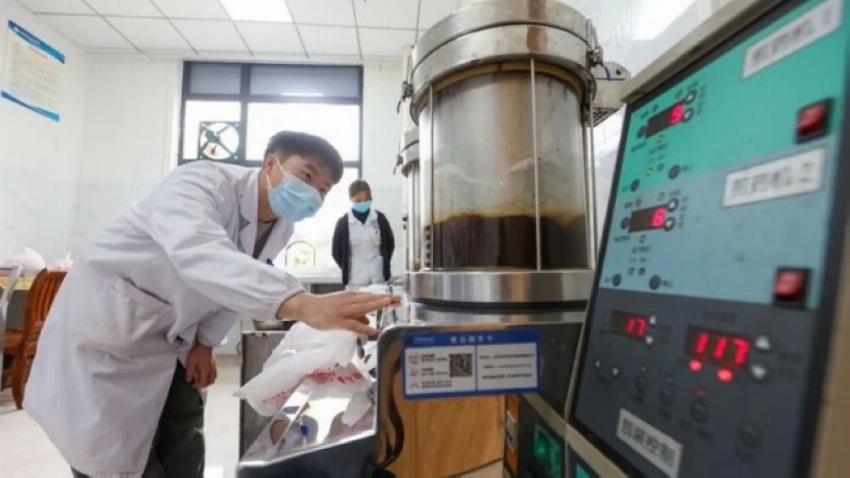
مديرة مركز الطب التقليدي العالمي في الصحة العالمية الدكتورة شياما كوروفيلا، أوضحت أن نقص الأدلة التاريخي الذي أدى إلى تجاهل العديد من الممارسات التقليدية يمكن تجاوزه الآن من خلال استثمارات أكبر وتقنيات متقدمة.
ما هو الطب التقليدي؟
ويُعرف الطب التقليدي بأنه أنظمة صحية سابقة للطب الحيوي الحديث، تشمل تنوعاً واسعاً مثل الشاي العشبي في أفريقيا، والإبر الصينية لعلاج الصداع النصفي، واليوغا والتأمل في الهند، بالإضافة إلى نظام الأيورفيدا الشهير.
إستراتيجية الطب التقليدي (2025 - 2034)
وفي وقت سابق هذا العام، اتفقت الدول الأعضاء في المنظمة على إستراتيجية عالمية جديدة للطب التقليدي والتكميلي للفترة من 2025 إلى 2034، تهدف إلى تسخير إمكانياته بناءً على أدلة علمية موثوقة.
وتشمل الخطط إنشاء قواعد بيانات قوية، تنظيم العلاجات والممارسين، ودمج الممارسات الفعالة في الرعاية الصحية الرئيسية.
وتصف الدكتورة كوروفيلا هذا التطور بأنه «مثير للغاية»، مشيرة إلى فرصة استكشاف ما يعمل فعلياً على نطاق واسع.
تايلند والعلاجات العشبية
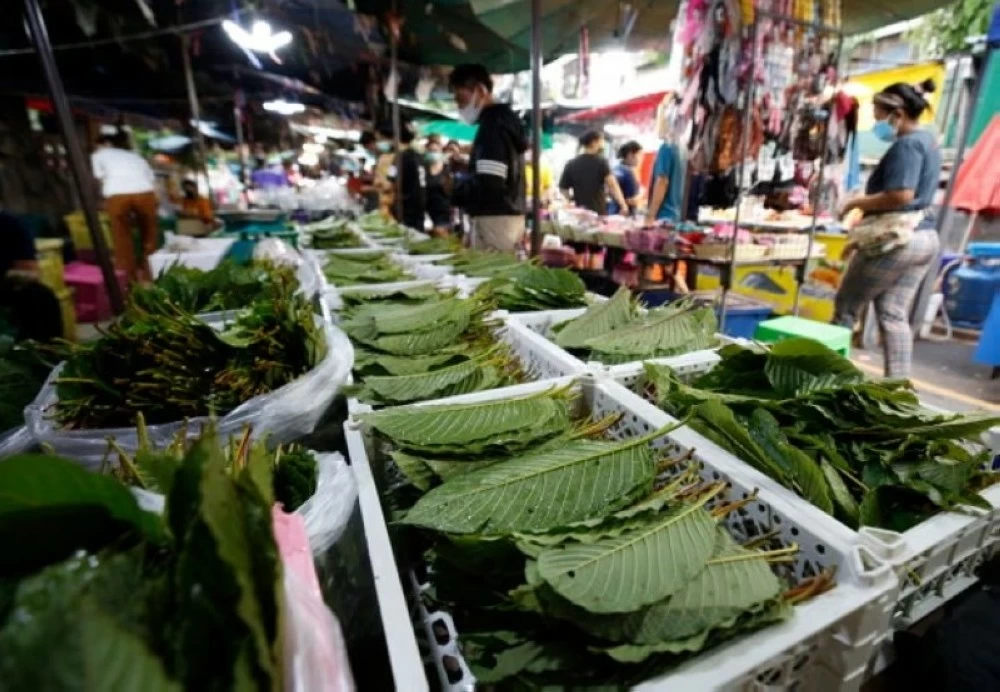
تايلند تُعد نموذجاً ناجحاً، حيث يوثق الباحثون الممارسات التقليدية ويجرون تجارب عشوائية لإدراج العلاجات العشبية، مثل نبات الكراتوم، في قائمة الأدوية الأساسية الوطنية.
ومع ذلك، أثارت الإستراتيجية مخاوف بشأن دخول ممارسات غير علمية مثل المعالجة المثلية إلى التيار الرئيسي، لكن كوروفيلا أكدت أن المثلية لا تندرج تحت تعريف الطب التقليدي، ولا توجد أدلة قوية تدعمها.
وشددت على أن المنظمة تتبع مبدأً أساسياً: الدعم يعتمد على أدلة موثوقة في السلامة والفعالية، سواء للطب الحيوي أو التقليدي.
استطلاعات الصحة العالمية
وكشفت استطلاعات منظمة الصحة العالمية، أن غالبية خدمات الطب التقليدي خارج النظام الرسمي في معظم الدول، مما يعرضها لمخاطر عدم التنظيم رغم شعبيتها الواسعة، وترى كوروفيلا أن عدم التدخل لم يعد خياراً، لضمان السلامة.
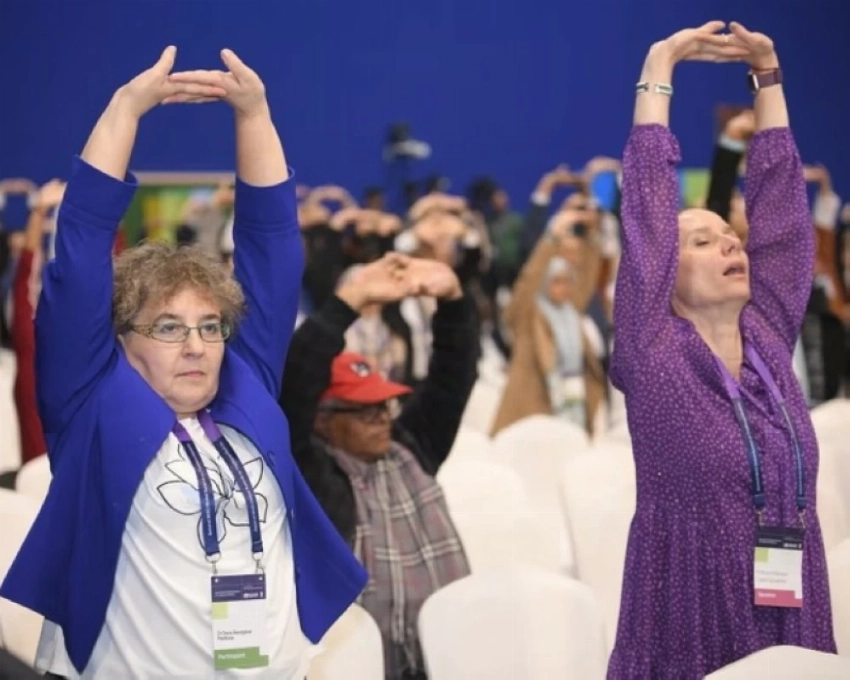
وفي هذا الأسبوع، أُطلقت مجموعة استشارية فنية جديدة خلال القمة العالمية الثانية للطب التقليدي في نيودلهي (17 - 19 ديسمبر 2025)، حيث يُنظر إلى الطب التقليدي كـ«كنز محتمل» يساعد في مواجهة نقص القوى العاملة الصحية وتعزيز التغطية الشاملة، خاصة مع تراجع المساعدات الدولية.
In a historical development reflecting a radical shift in the global perspective on healthcare, the World Health Organization has emphasized the immense potential of traditional medicine in enhancing health and well-being, focusing on building a strong evidence base using modern technologies such as artificial intelligence, genomics, and brain imaging.
The Director of the Global Traditional Medicine Center at the WHO, Dr. Shyama Kurovela, explained that the historical lack of evidence that led to the neglect of many traditional practices can now be overcome through greater investments and advanced technologies.
What is Traditional Medicine?
Traditional medicine is defined as health systems that predate modern biomedical medicine, encompassing a wide variety such as herbal teas in Africa, acupuncture for treating migraines, yoga and meditation in India, in addition to the famous Ayurvedic system.
Traditional Medicine Strategy (2025 - 2034)
Earlier this year, member states of the organization agreed on a new global strategy for traditional and complementary medicine for the period from 2025 to 2034, aimed at harnessing its potential based on reliable scientific evidence.
The plans include establishing robust databases, regulating treatments and practitioners, and integrating effective practices into mainstream healthcare.
Dr. Kurovela describes this development as "very exciting," noting the opportunity to explore what actually works on a large scale.
Thailand and Herbal Treatments
Thailand serves as a successful model, where researchers document traditional practices and conduct randomized trials to include herbal treatments, such as kratom, in the national essential medicines list.
However, the strategy has raised concerns about the entry of unscientific practices such as homeopathy into the mainstream, but Kurovela confirmed that homeopathy does not fall under the definition of traditional medicine, and there is no strong evidence supporting it.
She emphasized that the organization follows a fundamental principle: support is based on reliable evidence of safety and efficacy, whether for biomedical or traditional medicine.
Global Health Surveys
Surveys by the World Health Organization revealed that the majority of traditional medicine services are outside the formal system in most countries, exposing them to the risks of being unregulated despite their widespread popularity. Kurovela believes that non-intervention is no longer an option to ensure safety.
This week, a new technical advisory group was launched during the second global summit on traditional medicine in New Delhi (December 17 - 19, 2025), where traditional medicine is viewed as a "potential treasure" that helps address the shortage of healthcare workforce and enhance universal coverage, especially with the decline in international aid.