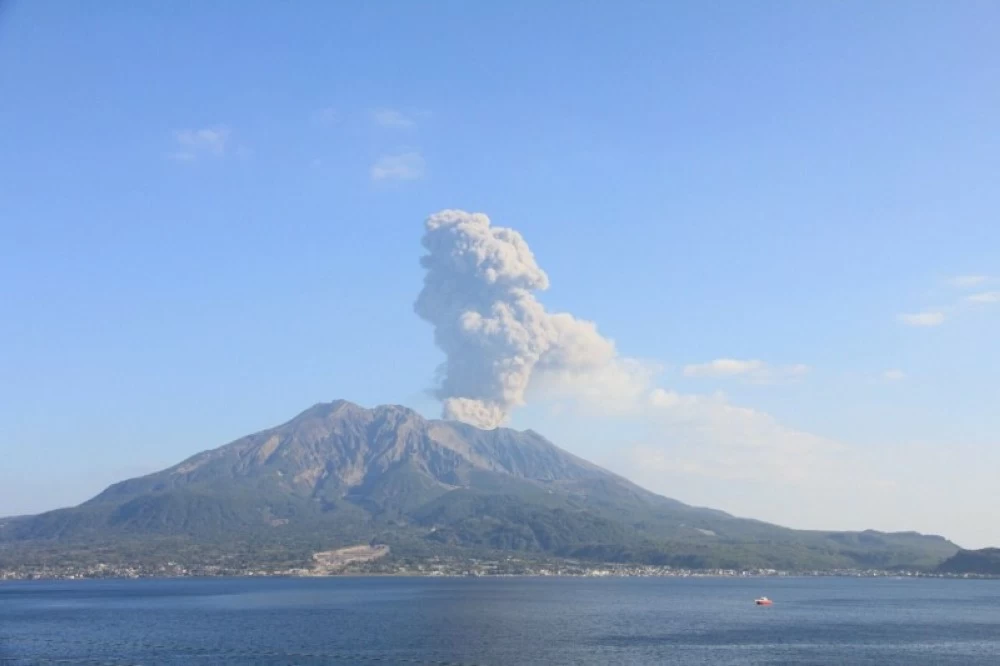
أعلنت وكالة الأرصاد الجوية اليابانية، ثوران بركان ساكوراجيما في محافظة كاجوشيما جنوب غرب البلاد، مطلقا أعمدة كثيفة من الرماد والدخان بارتفاع بلغ نحو 4400 متر في الغلاف الجوي، وفقا لما أفادت به تقارير إعلامية.
وأكدت الوكالة أن الثوران استمر لفترة بعد الانفجار الأولي، مع توقعات بتساقط الرماد على عدة مناطق في المحافظة خلال الساعات القادمة.
وأوضحت السلطات أنه لم تُسجل أي إصابات أو أضرار مادية حتى الآن، بينما تواصل الجهات المختصة مراقبة نشاط البركان تحسبا لأي تطورات إضافية.
وفي سياق متصل، أعلنت هيئة المسح الجيولوجي الأمريكية، أن بركان كيلاويا، أحد أكثر البراكين نشاطا في العالم، على وشك الدخول في مرحلة ثوران جديدة عالية الشدة خلال الأيام القادمة، مع ازدياد مؤشرات النشاط البركاني في قمته بجزيرة هاواي الكبرى.
وحسب ما نشرته صحيفة ABC News، أوضح خبراء مرصد البراكين التابع للهيئة أن توهج الفوهة المستمر وتزايد تدفقات الحمم البركانية والفيضانات المتكررة تشير إلى اقتراب بدء المرحلة الـ36 من الثوران، متوقعا أن تنطلق نوافير الحمم المرتفعة في أي وقت على مدار الأسبوع الجاري، وفق النماذج الحديثة للتنبؤ البركاني.
The Japan Meteorological Agency announced the eruption of Sakurajima volcano in Kagoshima Prefecture, southwest of the country, releasing thick columns of ash and smoke reaching approximately 4,400 meters into the atmosphere, according to media reports.
The agency confirmed that the eruption continued for a period after the initial explosion, with expectations of ashfall in several areas of the prefecture in the coming hours.
Authorities clarified that no injuries or material damage have been reported so far, while relevant agencies continue to monitor the volcano's activity in anticipation of any further developments.
In a related context, the U.S. Geological Survey announced that Kilauea volcano, one of the most active volcanoes in the world, is on the verge of entering a new high-intensity eruption phase in the coming days, with increasing indicators of volcanic activity at its summit on the Big Island of Hawaii.
According to what was published by ABC News, experts from the agency's volcano observatory explained that the continuous glow of the crater and the increasing lava flows and recurring flooding indicate that the 36th phase of the eruption is approaching, predicting that high lava fountains could erupt at any time during this week, according to modern volcanic forecasting models.