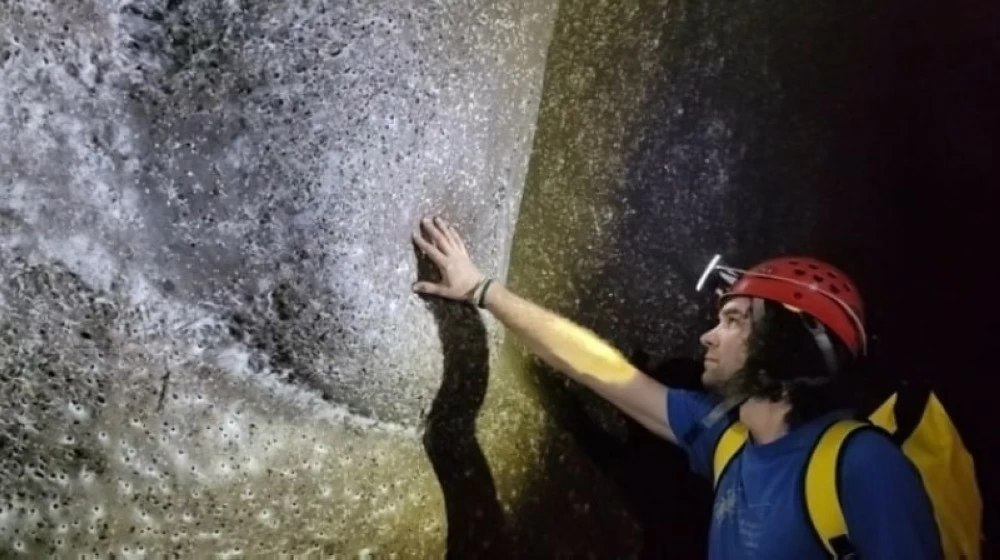
لم يكن أحد يتخيّل أن كهفاً غامضاً على الحدود بين ألبانيا واليونان سيخفي أعجوبة طبيعية بهذا الحجم. فخلال رحلة بحثية حديثة، اكتشف فريق من جامعة سابينتيا المجرية شبكة عنكبوت هائلة وُصفت بأنها الأكبر على الإطلاق، تمتد على مساحة نحو 106 أمتار مربعة داخل ما يُعرف بـ«كهف الكبريت».
المشهد بدا أقرب إلى أفلام الخيال العلمي؛ أكثر من 111 ألف عنكبوت نسجت آلاف الشبكات الصغيرة المتصلة لتكوّن ما يشبه نسيجاً واحداً ضخماً يغطي جدران الممرات المظلمة للكهف. وتضم المستعمرة نوعين رئيسيين هما Tegenaria domestica، أو «عنكبوت المنازل» ويبلغ عددها نحو 69 ألفاً، وPrinerigone vagans بعدد يقارب 42 ألفاً.
وقال قائد الفريق العلمي الباحث إستفان أوراك إن الظاهرة تُعدّ الأولى من نوعها التي يسجَّل فيها سلوك تعاوني بين نوعين من العناكب عادةً ما تكون العلاقة بينهما افتراسية، مضيفاً أن ضعف الإضاءة وارتفاع نسبة الكبريت في الكهف قلّلا من النزعة العدوانية لديهما، مما سمح لهما بالتعايش داخل مستعمرة واحدة.
ويرى العلماء أن النظام البيئي داخل الكهف متكامل بشكل مدهش، حيث تعتمد العناكب على حشرات دقيقة تتغذى بدورها على بكتيريا مؤكسدة للكبريت، لتشكّل معاً حلقة حياة متكاملة في بيئة معزولة عن الضوء.
وكشفت التحليلات الجينية أن هذه العناكب خضعت لتحولات بيولوجية خاصة جعلتها أكثر قدرة على البقاء في بيئة مليئة بالغازات الكبريتية، مما يعيد تعريف حدود الحياة في الظروف القاسية.
No one could have imagined that a mysterious cave on the border between Albania and Greece would hide a natural wonder of this magnitude. During a recent research expedition, a team from the Hungarian Sapientia University discovered a massive spider web described as the largest ever, spanning an area of about 106 square meters inside what is known as the "Sulfur Cave."
The scene resembled something out of a science fiction movie; more than 111,000 spiders wove thousands of interconnected small webs to form what looks like a single massive fabric covering the walls of the cave's dark passages. The colony includes two main species: Tegenaria domestica, or the "house spider," with around 69,000 individuals, and Prinerigone vagans, numbering approximately 42,000.
Team leader and researcher István Orák stated that this phenomenon is the first of its kind to record cooperative behavior between two spider species that typically have a predatory relationship, adding that the low light and high sulfur content in the cave reduced their aggressive tendencies, allowing them to coexist within a single colony.
Scientists believe that the ecosystem inside the cave is remarkably integrated, as the spiders rely on tiny insects that, in turn, feed on sulfur-oxidizing bacteria, together forming a complete life cycle in an environment isolated from light.
Genetic analyses revealed that these spiders have undergone specific biological transformations that make them more capable of surviving in an environment filled with sulfur gases, redefining the limits of life under harsh conditions.